How to Improve the Performance of Forged Shafts
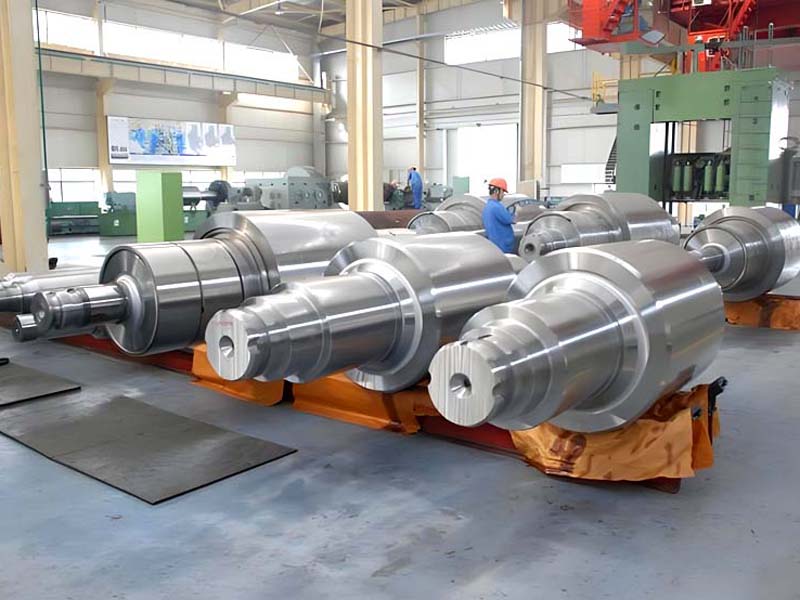
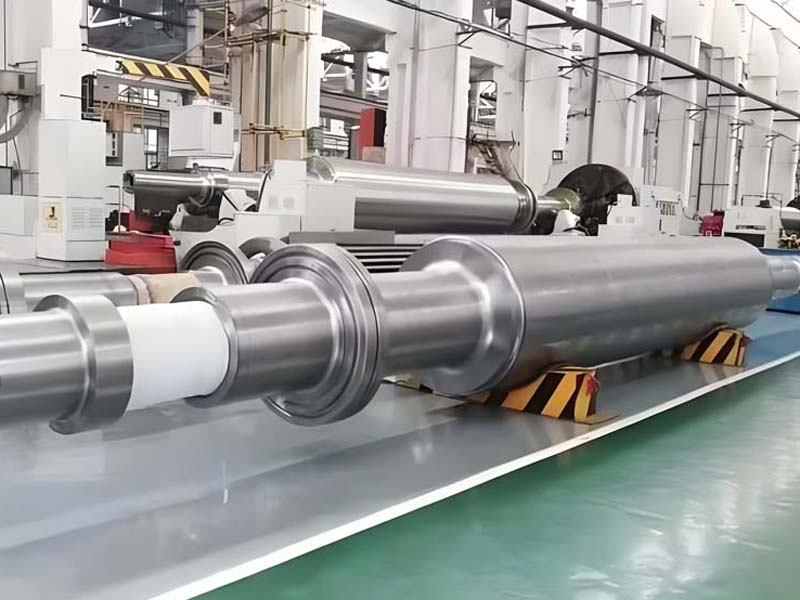
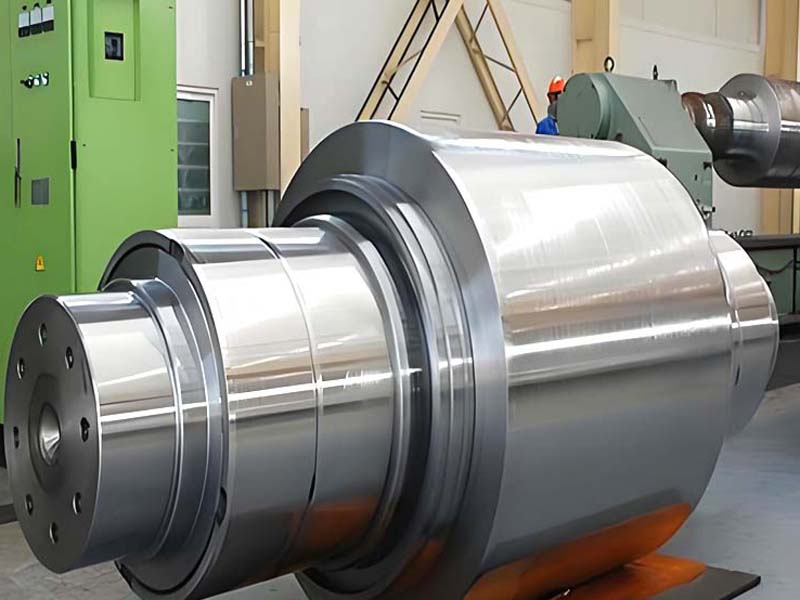
| Product name: | How to Improve the Performance of Forged Shafts |
| Keywords: | How to Improve the Performance of Forged Shafts |
| Industry: | Transportation - Aerospace industry |
| Process: | Forging - Free forging |
| Material: | Alloy steel |
Processing manufacturer
- There are 52 manufacturers that provide similar products
- There are 127 manufacturers that provide this processing technology
- There are 67 manufacturers that provide this material processing service
- There are 198 manufacturers that provide this industry processing service
Product details
Improving the performance of forged shafts requires focusing on both materials and processes. Selecting high-strength alloy steels such as chromium-molybdenum steel, and precisely controlling carbon content and trace elements, significantly enhances the shafts hardness and fatigue resistance. Optimizing forging process parameters, such as temperature control and deformation rate, ensures grain refinement and reduces internal defects, thereby improving overall strength and durability.
Design optimization is crucial. Using finite element analysis to simulate load distribution, and strategically adding shaft shoulders or reinforcing ribs, enhances torsional and bending resistance. Surface treatments such as high-frequency quenching or nitriding create a hardened layer, effectively resisting wear and corrosion, and extending service life. Simultaneously, strict quality control, including non-destructive testing and metallographic inspection, ensures that the forged shaft is free of cracks or inclusions, guaranteeing stable and reliable performance.
Similar products
More
What are the machining processes used for processing axial fan housings
- Process : Sheet metal - Welding
- Material : Carbon steel
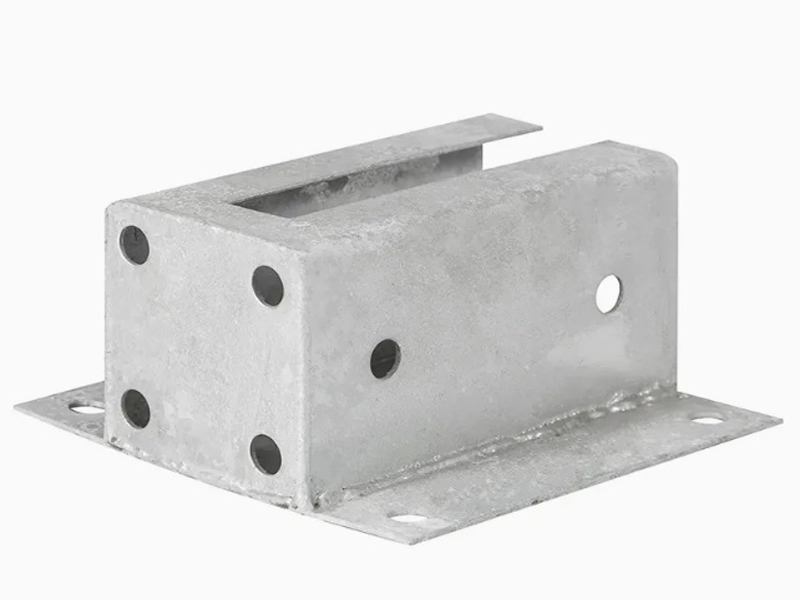
Machining Process Analysis of Carbon Steel Fixed Anchor Plates
- Process : Machining - CNC milling or milling machining
- Material : Carbon steel
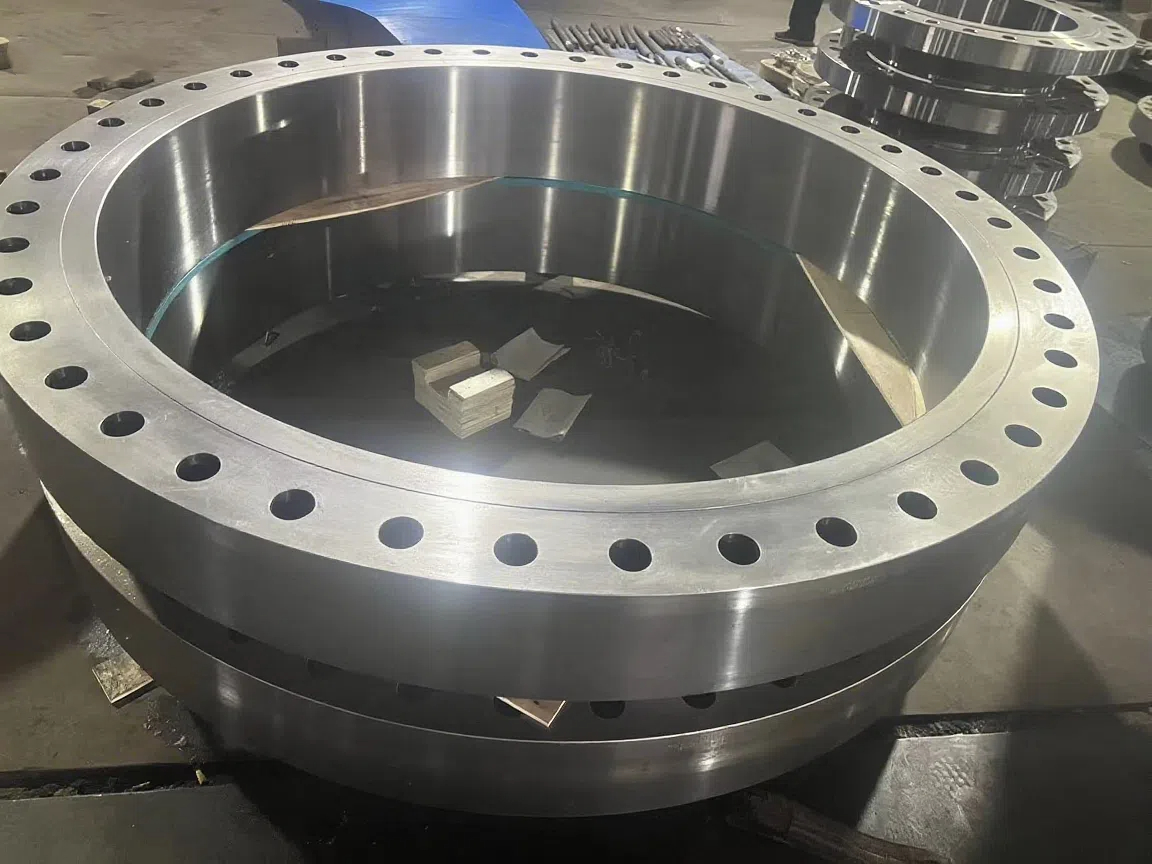
Heavy-Walled Flange Milling-Turning Machining and Flaw Detection
- Process : Machining - Turning Milling compound
- Material : Alloy steel
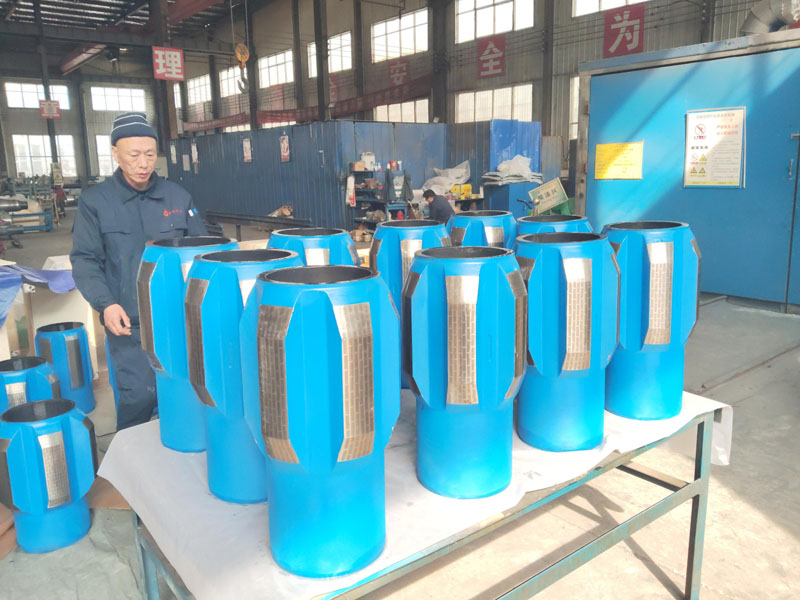
Drill Stabilizers Applied in Oil Drilling Platforms
- Process : Machining - Five-axis machining
- Material : Alloy steel
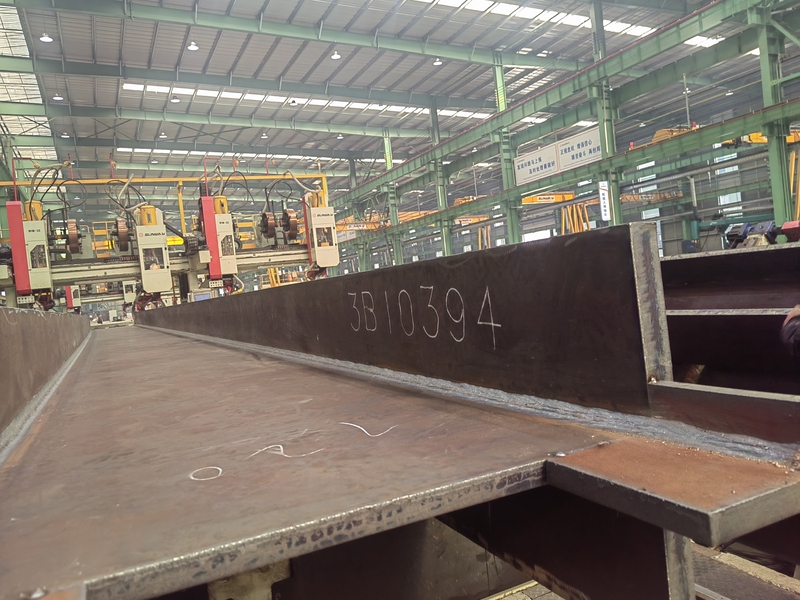
Custom Fabrication of S355JR Welded H-Beams for Construction Projects
- Process : Sheet metal - Welding
- Material : Carbon steel
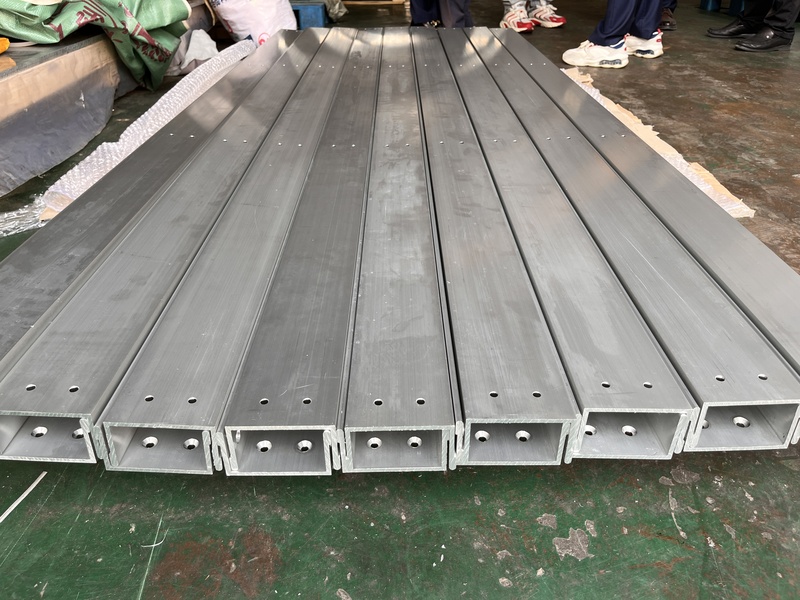
Precision Machining of U-Steel Profiles for Building Applications
- Process : Stamping - General stamping
- Material : Aluminum
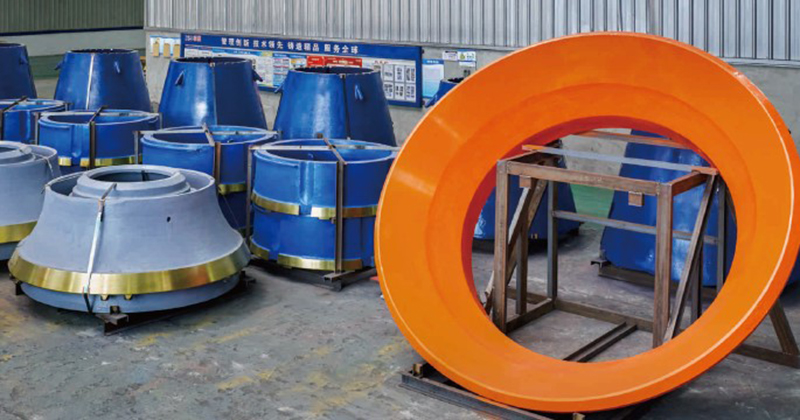
Cone Crusher Mantle
- Process : -
- Material :
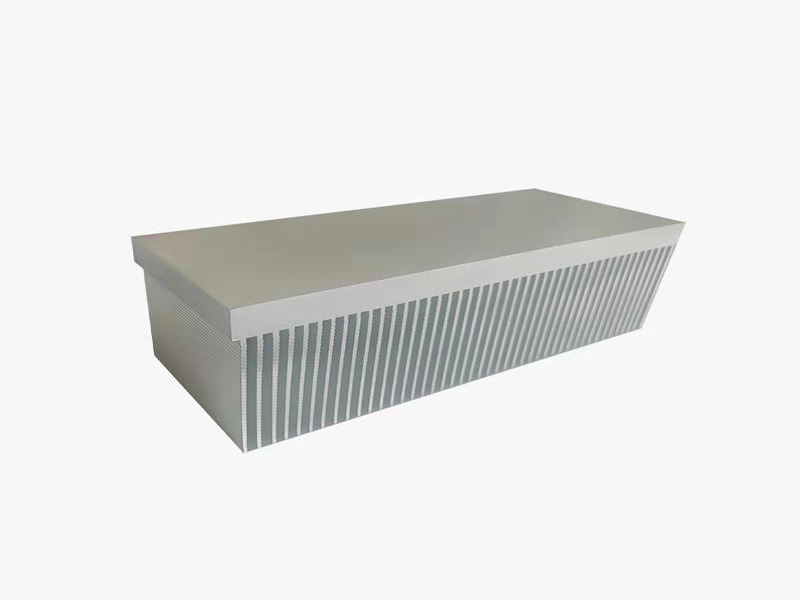
Innovative skiving technology: Breaking through the bottleneck of high-density heat dissipation technology
- Process : Surface treatment - Others
- Material : Alloy steel
More products
MoreWhat are the machining processes used for processing axial fan housings
- Process : Sheet metal - Welding
- Material : Carbon steel
Machining Process Analysis of Carbon Steel Fixed Anchor Plates
- Process : Machining - CNC milling or milling machining
- Material : Carbon steel
Heavy-Walled Flange Milling-Turning Machining and Flaw Detection
- Process : Machining - Turning Milling compound
- Material : Alloy steel
Drill Stabilizers Applied in Oil Drilling Platforms
- Process : Machining - Five-axis machining
- Material : Alloy steel
Custom Fabrication of S355JR Welded H-Beams for Construction Projects
- Process : Sheet metal - Welding
- Material : Carbon steel
Precision Machining of U-Steel Profiles for Building Applications
- Process : Stamping - General stamping
- Material : Aluminum
Cone Crusher Mantle
- Process : -
- Material :
Innovative skiving technology: Breaking through the bottleneck of high-density heat dissipation technology
- Process : Surface treatment - Others
- Material : Alloy steel