The Value of Forged Shafts in the Shipbuilding Industry
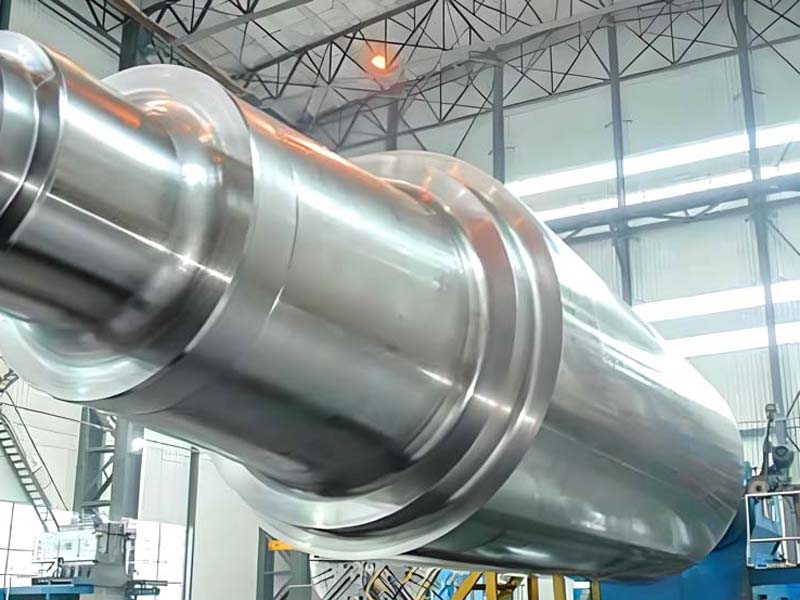
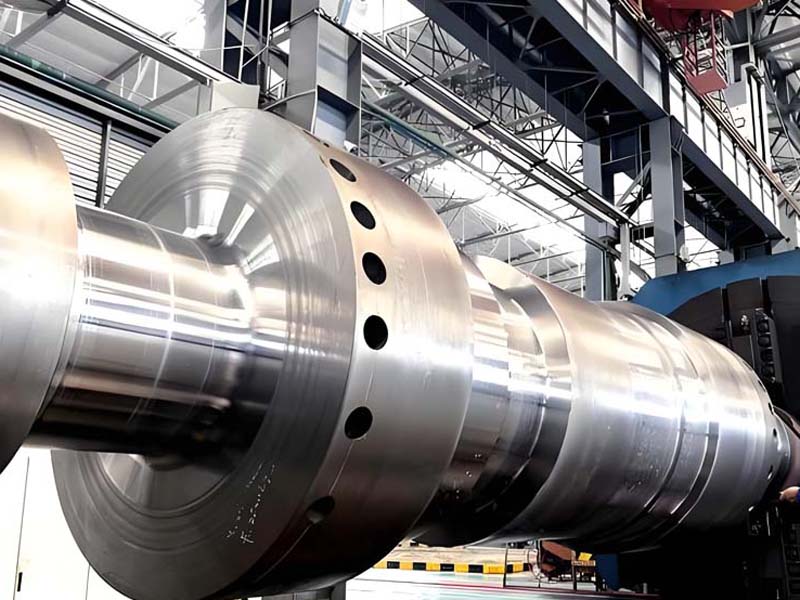
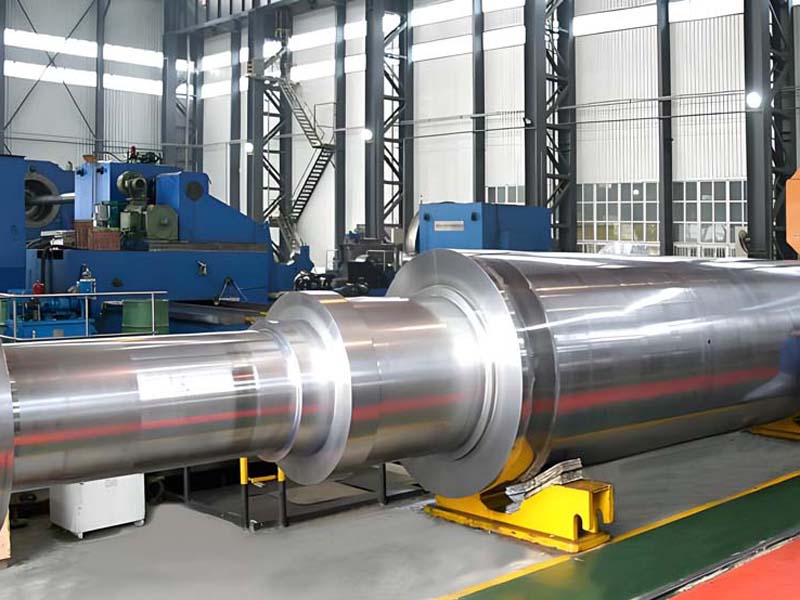
| Product name: | The Value of Forged Shafts in the Shipbuilding Industry |
| Keywords: | The Value of Forged Shafts in the Shipbuilding Industry |
| Industry: | Transportation - Ship industry |
| Process: | Forging - Free forging |
| Material: | Alloy steel |
Processing manufacturer
- There are 40 manufacturers that provide similar products
- There are 131 manufacturers that provide this processing technology
- There are 96 manufacturers that provide this material processing service
- There are 111 manufacturers that provide this industry processing service
Product details
Forged shafts play a central role in the shipbuilding industry, with their excellent mechanical properties and reliability being a key support for ship propulsion systems. As a core component of ship engines and propulsion devices, forged shafts, through precision machining and high-strength materials, ensure stable power transmission in harsh marine environments, significantly enhancing the durability and operational efficiency of ships. For example, in large cargo ships and warships, the fatigue-resistant design of forged shafts effectively addresses long-term, high-load conditions, reducing maintenance needs and thereby lowering operating costs.
Furthermore, the customizable nature of forged shafts allows them to adapt to diverse ship application scenarios. From small and medium-sized yachts to giant container ships, forged shafts of different specifications can optimize space layout and weight distribution, enhancing ship maneuverability and fuel economy. At the same time, their corrosion resistance performs outstandingly in salt spray environments, extending the service life of ships. As the shipbuilding industry moves towards intelligence and green development, the high-precision manufacturing process of forged shafts is driving industry upgrades, laying a solid foundation for the efficient and safe navigation of future ships.
Similar products
More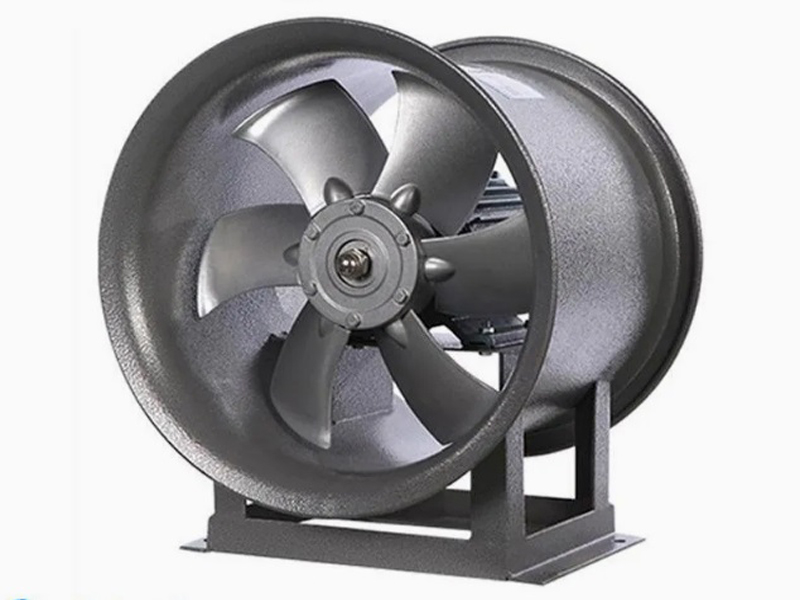
What are the machining processes used for processing axial fan housings
- Process : Sheet metal - Welding
- Material : Carbon steel
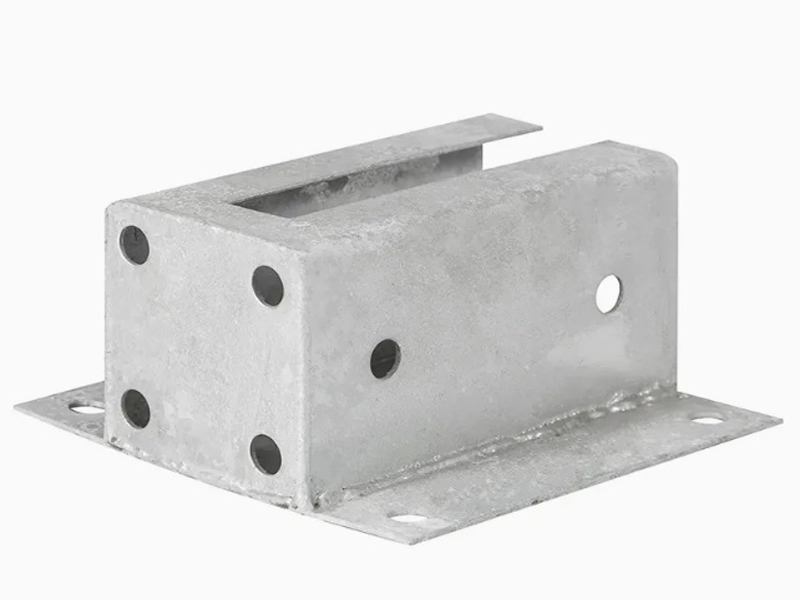
Machining Process Analysis of Carbon Steel Fixed Anchor Plates
- Process : Machining - CNC milling or milling machining
- Material : Carbon steel
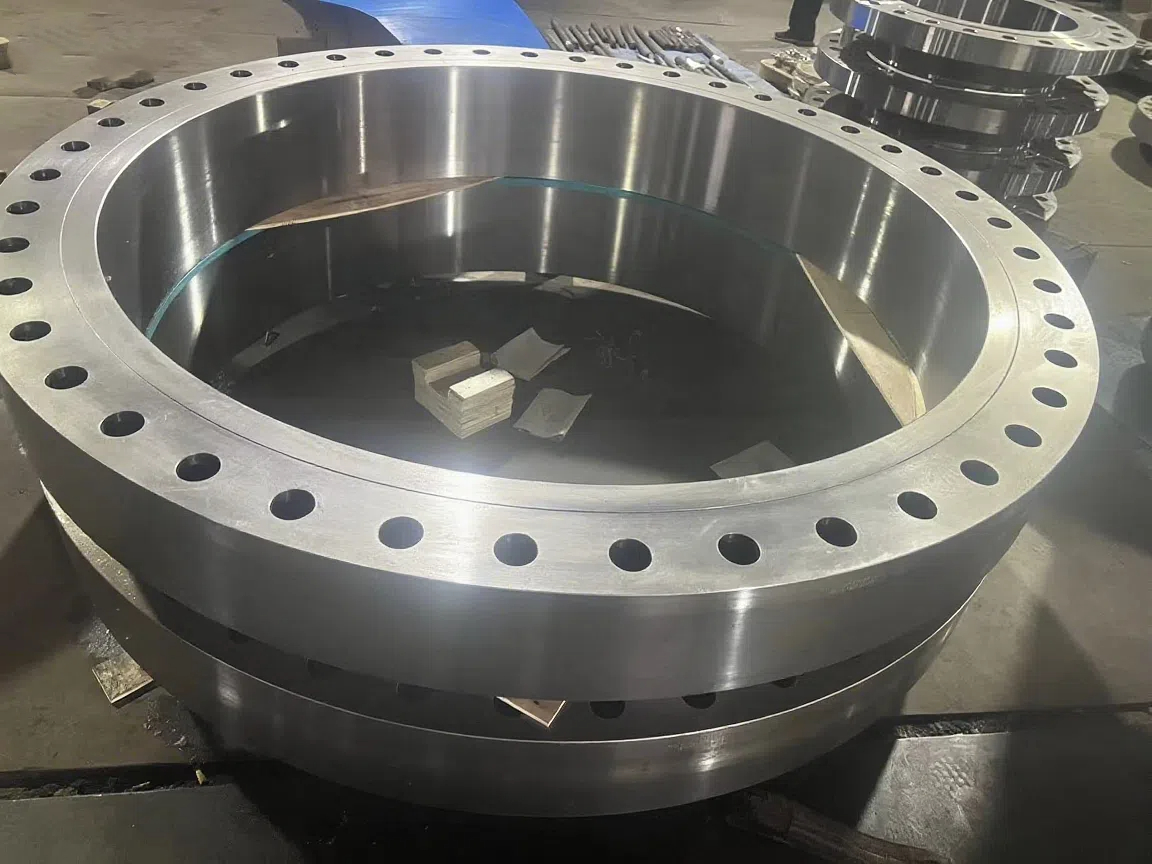
Heavy-Walled Flange Milling-Turning Machining and Flaw Detection
- Process : Machining - Turning Milling compound
- Material : Alloy steel
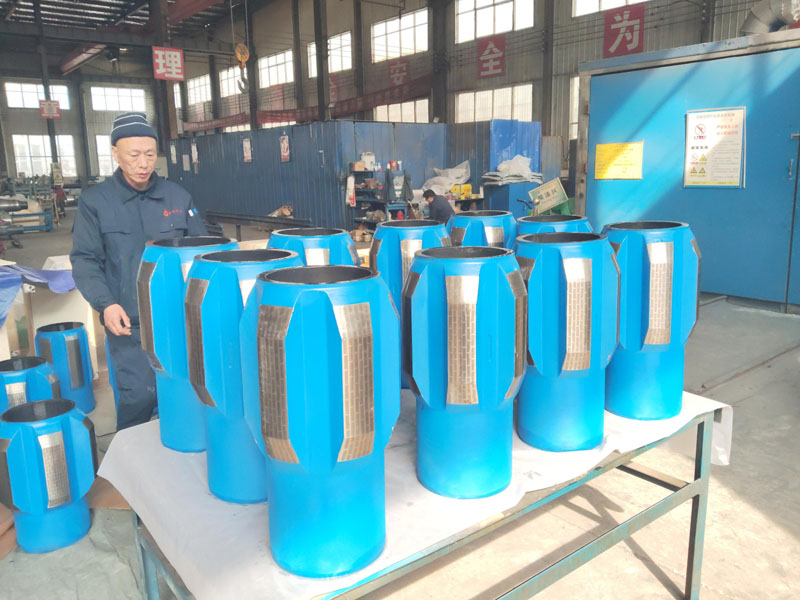
Drill Stabilizers Applied in Oil Drilling Platforms
- Process : Machining - Five-axis machining
- Material : Alloy steel
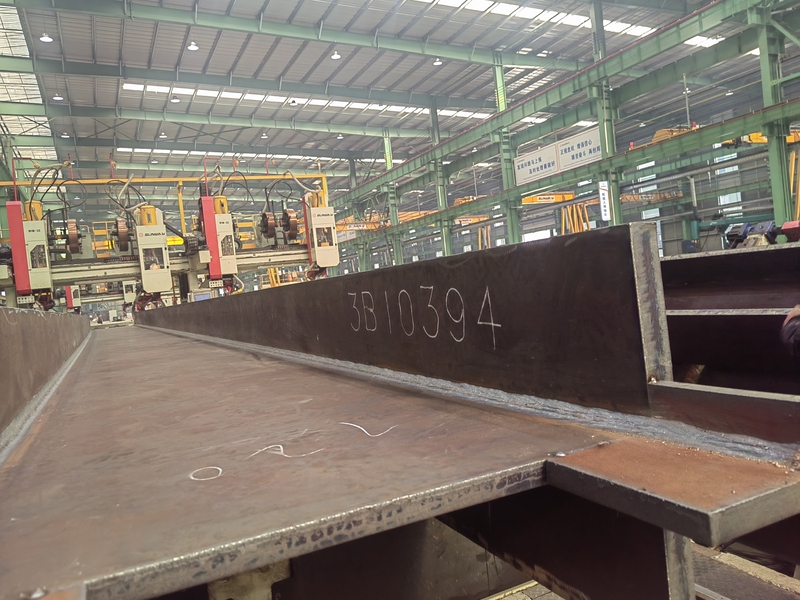
Custom Fabrication of S355JR Welded H-Beams for Construction Projects
- Process : Sheet metal - Welding
- Material : Carbon steel
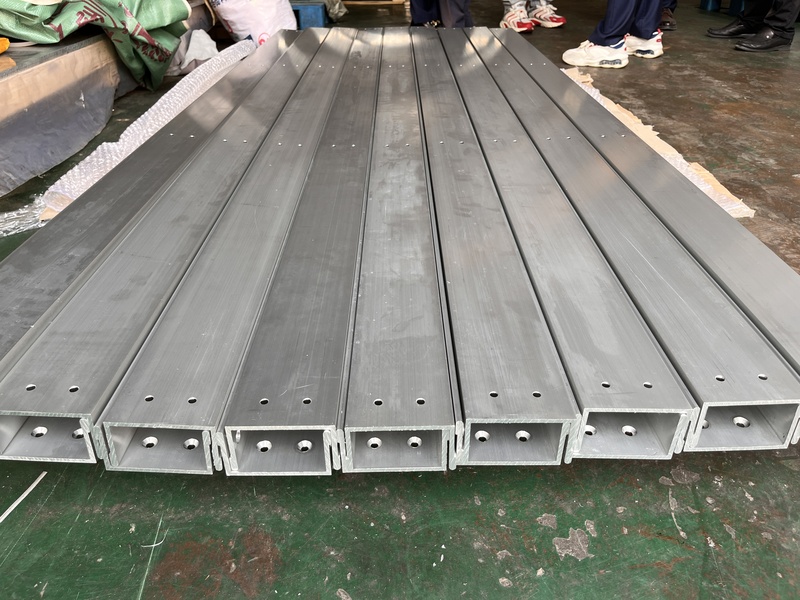
Precision Machining of U-Steel Profiles for Building Applications
- Process : Stamping - General stamping
- Material : Aluminum
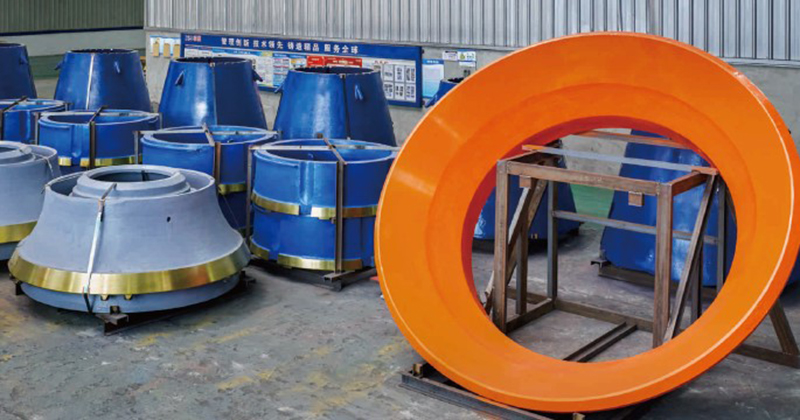
Cone Crusher Mantle
- Process : -
- Material :
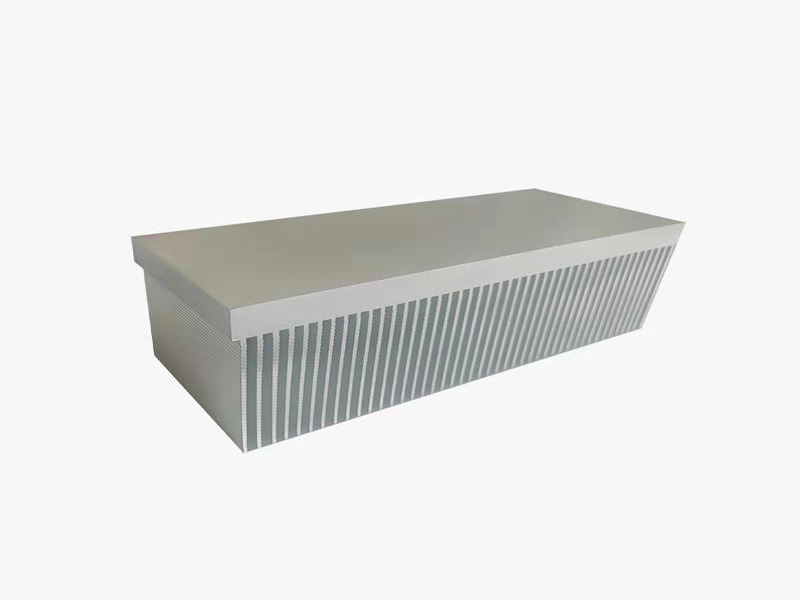
Innovative skiving technology: Breaking through the bottleneck of high-density heat dissipation technology
- Process : Surface treatment - Others
- Material : Alloy steel
More products
MoreWhat are the machining processes used for processing axial fan housings
- Process : Sheet metal - Welding
- Material : Carbon steel
Machining Process Analysis of Carbon Steel Fixed Anchor Plates
- Process : Machining - CNC milling or milling machining
- Material : Carbon steel
Heavy-Walled Flange Milling-Turning Machining and Flaw Detection
- Process : Machining - Turning Milling compound
- Material : Alloy steel
Drill Stabilizers Applied in Oil Drilling Platforms
- Process : Machining - Five-axis machining
- Material : Alloy steel
Custom Fabrication of S355JR Welded H-Beams for Construction Projects
- Process : Sheet metal - Welding
- Material : Carbon steel
Precision Machining of U-Steel Profiles for Building Applications
- Process : Stamping - General stamping
- Material : Aluminum
Cone Crusher Mantle
- Process : -
- Material :
Innovative skiving technology: Breaking through the bottleneck of high-density heat dissipation technology
- Process : Surface treatment - Others
- Material : Alloy steel