Forged Shafts: The Backbone of the Mechanical Age
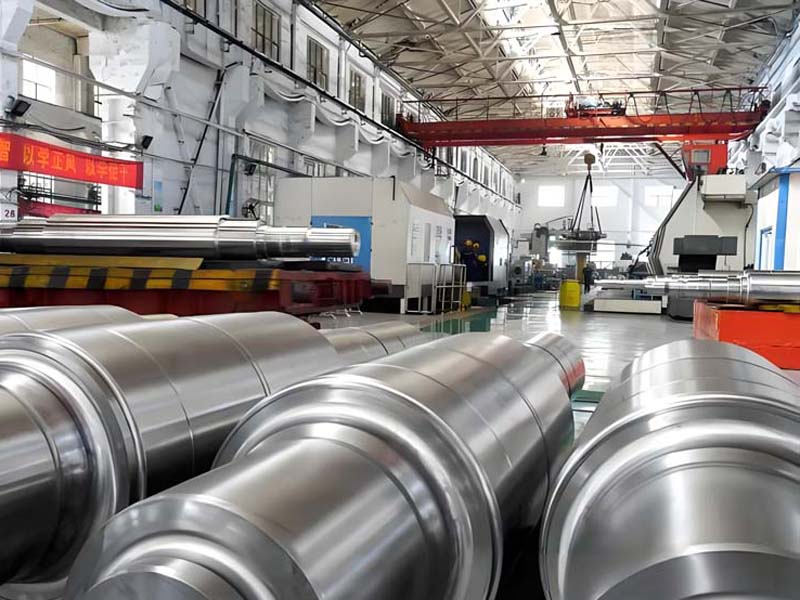
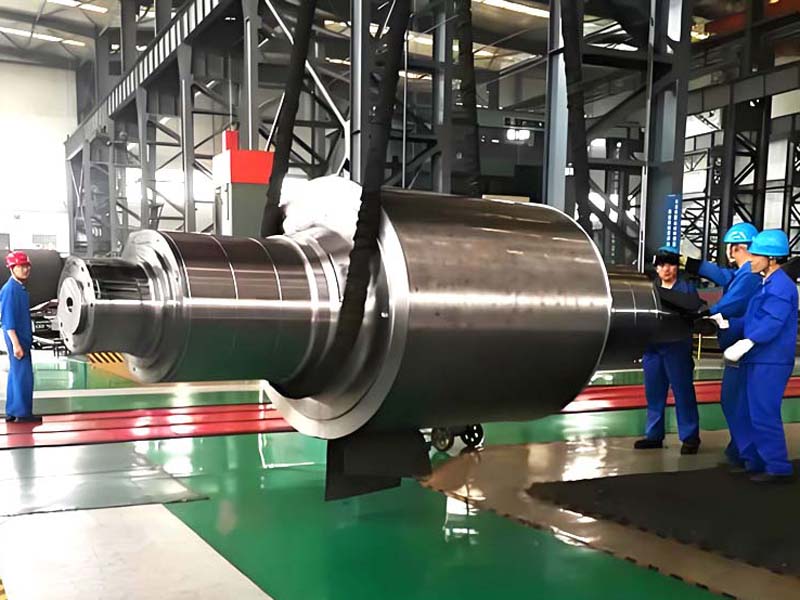
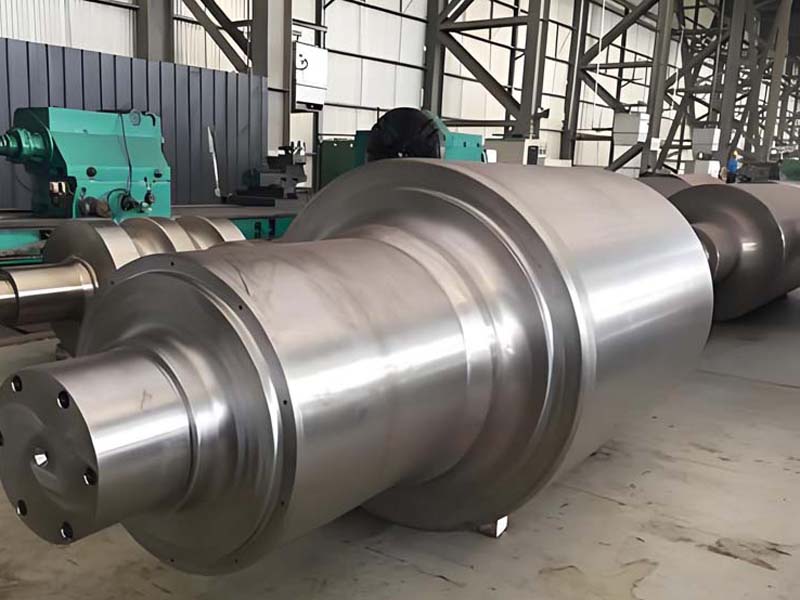
| Product name: | Forged Shafts: The Backbone of the Mechanical Age |
| Keywords: | Forged Shafts: The Backbone of the Mechanical Age |
| Industry: | Transportation - Rail transportation |
| Process: | Forging - Free forging |
| Material: | Alloy steel |
Processing manufacturer
- There are 57 manufacturers that provide similar products
- There are 159 manufacturers that provide this processing technology
- There are 77 manufacturers that provide this material processing service
- There are 154 manufacturers that provide this industry processing service
Product details
Amidst the roar of the Industrial Revolution, forged shafts stood as silent spines, bearing the weight of the mechanical age. With bodies of steel, they carried power and motion, from the rumble of steam engines to the roar of internal combustion engines. Every technological leap relied on this precise axis. The strength and toughness of forged shafts allowed heavy machinery to operate, breaking through production bottlenecks. They are not merely aggregations of metal, but crystallizations of human ingenuity.
Today, forged shafts continue to play an irreplaceable role in the mechanical field. Whether its the crankshaft of a car engine or the drive shaft of industrial equipment, its precision machining and reliable performance remain at the core of stable mechanical operation. In the wave of automation and intelligence, the manufacturing process of forged shafts is constantly improving. Breakthroughs in materials science and processing technology make this "mechanical pillar" even more robust and efficient.
From the fantasies of steampunk to the realities of modern industry, forged shafts have always been the cornerstone of mechanical civilization. They connect the past and the future, witnessing humanitys eternal pursuit of power and precision.
Similar products
More
What are the machining processes used for processing axial fan housings
- Process : Sheet metal - Welding
- Material : Carbon steel
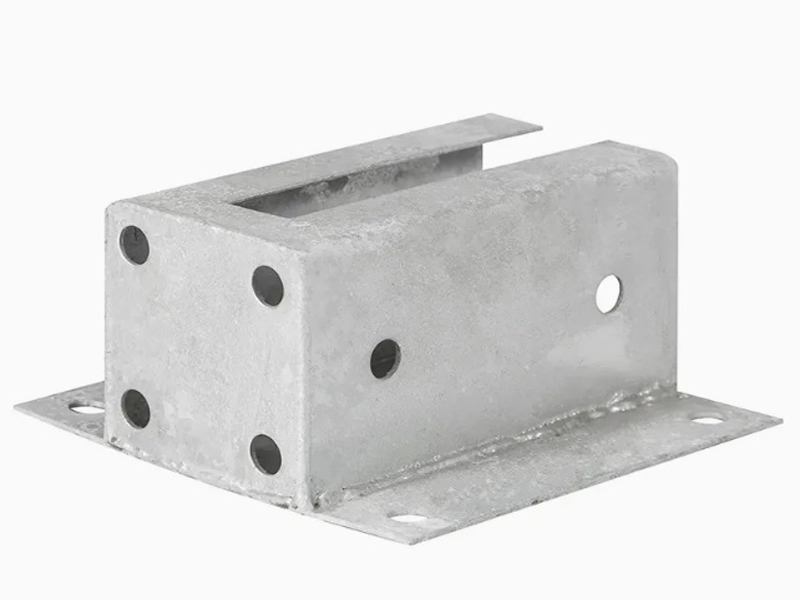
Machining Process Analysis of Carbon Steel Fixed Anchor Plates
- Process : Machining - CNC milling or milling machining
- Material : Carbon steel
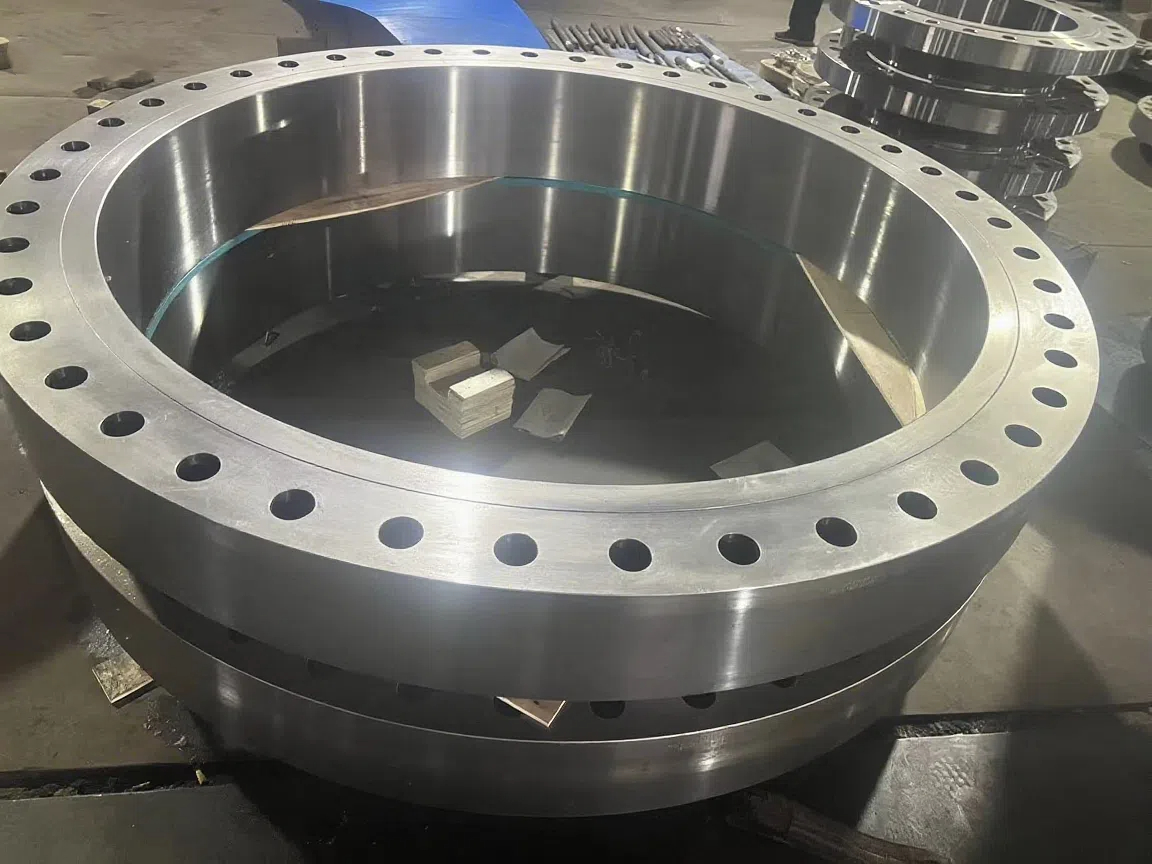
Heavy-Walled Flange Milling-Turning Machining and Flaw Detection
- Process : Machining - Turning Milling compound
- Material : Alloy steel
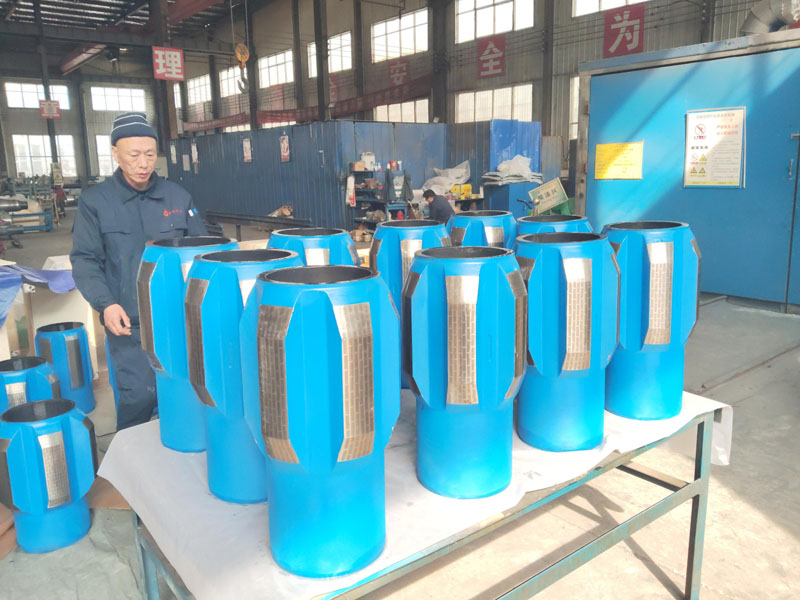
Drill Stabilizers Applied in Oil Drilling Platforms
- Process : Machining - Five-axis machining
- Material : Alloy steel
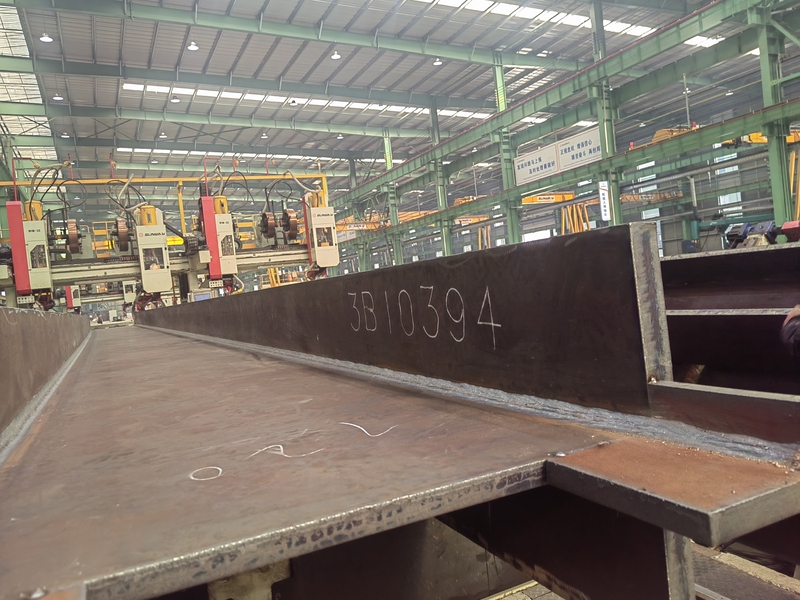
Custom Fabrication of S355JR Welded H-Beams for Construction Projects
- Process : Sheet metal - Welding
- Material : Carbon steel
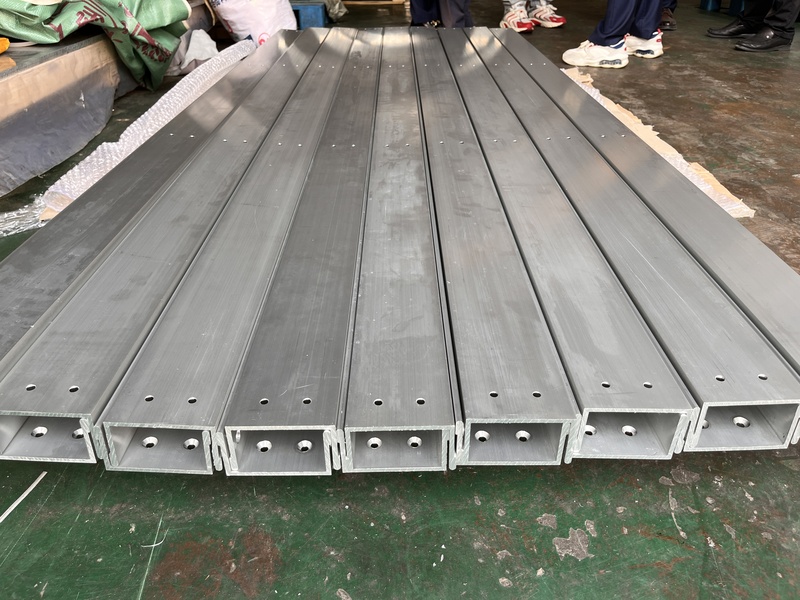
Precision Machining of U-Steel Profiles for Building Applications
- Process : Stamping - General stamping
- Material : Aluminum
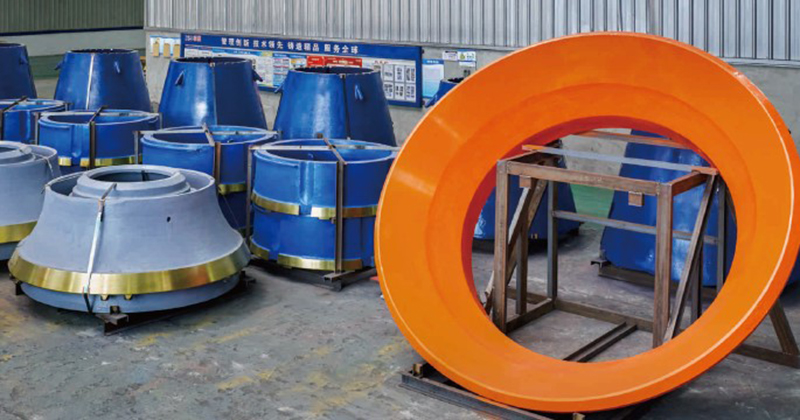
Cone Crusher Mantle
- Process : -
- Material :
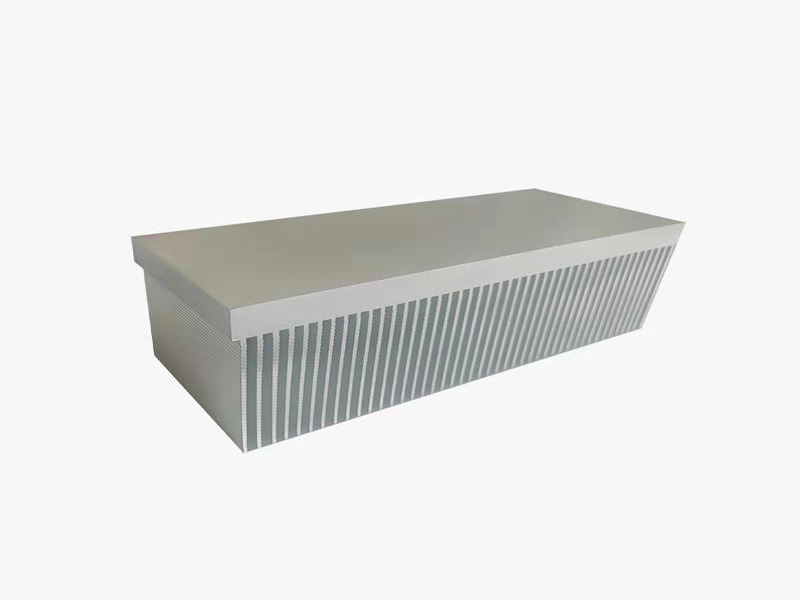
Innovative skiving technology: Breaking through the bottleneck of high-density heat dissipation technology
- Process : Surface treatment - Others
- Material : Alloy steel
More products
MoreWhat are the machining processes used for processing axial fan housings
- Process : Sheet metal - Welding
- Material : Carbon steel
Machining Process Analysis of Carbon Steel Fixed Anchor Plates
- Process : Machining - CNC milling or milling machining
- Material : Carbon steel
Heavy-Walled Flange Milling-Turning Machining and Flaw Detection
- Process : Machining - Turning Milling compound
- Material : Alloy steel
Drill Stabilizers Applied in Oil Drilling Platforms
- Process : Machining - Five-axis machining
- Material : Alloy steel
Custom Fabrication of S355JR Welded H-Beams for Construction Projects
- Process : Sheet metal - Welding
- Material : Carbon steel
Precision Machining of U-Steel Profiles for Building Applications
- Process : Stamping - General stamping
- Material : Aluminum
Cone Crusher Mantle
- Process : -
- Material :
Innovative skiving technology: Breaking through the bottleneck of high-density heat dissipation technology
- Process : Surface treatment - Others
- Material : Alloy steel