Which Gear is the Strongest?
| Product name: | Which Gear is the Strongest? |
| Keywords: | Gear Strength, Gear Hardness, and Wear Resistance |
| Industry: | Transportation - Automobile manufacturing industry |
| Process: | Heat treatment - Carburizing |
| Material: | Alloy steel |
Processing manufacturer
- There are 56 manufacturers that provide similar products
- There are 184 manufacturers that provide this processing technology
- There are 97 manufacturers that provide this material processing service
- There are 183 manufacturers that provide this industry processing service
Product details
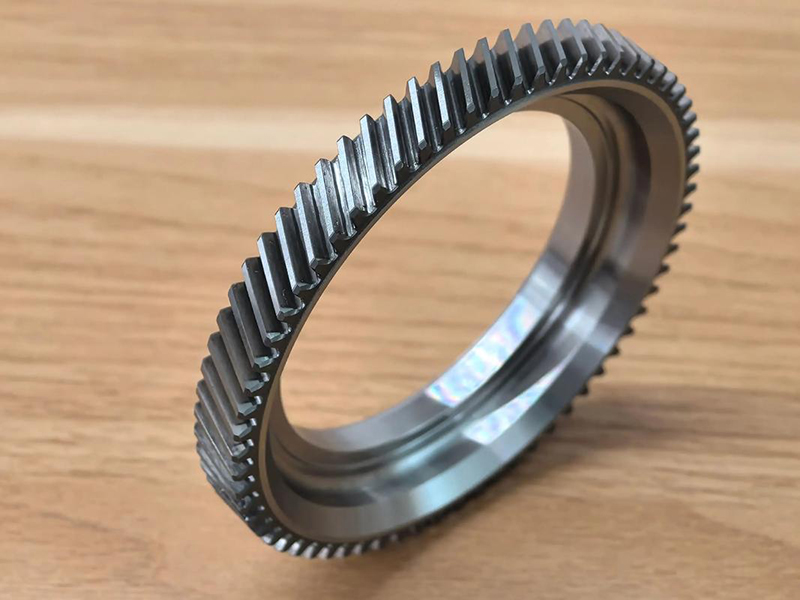
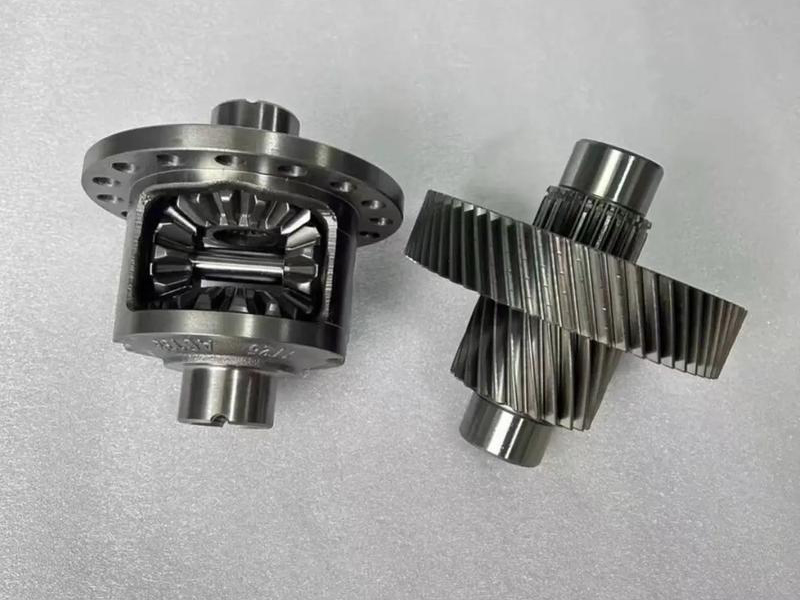
Among gear types, helical gears are considered to be one of the strongest.
Compared to spur gears, helical gears have teeth arranged at an angle, which results in a larger contact area and a smoother meshing process, reducing instantaneous impact and noise. Due to their large contact area, helical gears can withstand higher loads, making them excellent in high-load and high-speed transmissions.
Herringbone gears also have a strong load-bearing capacity. Herringbone gears are a modified type of helical gear with teeth in a "V" shape. This design allows both sides of the gear to contact the mating gear simultaneously, increasing the meshing contact area and strength, making them particularly suitable for high-load, high-impact working environments.
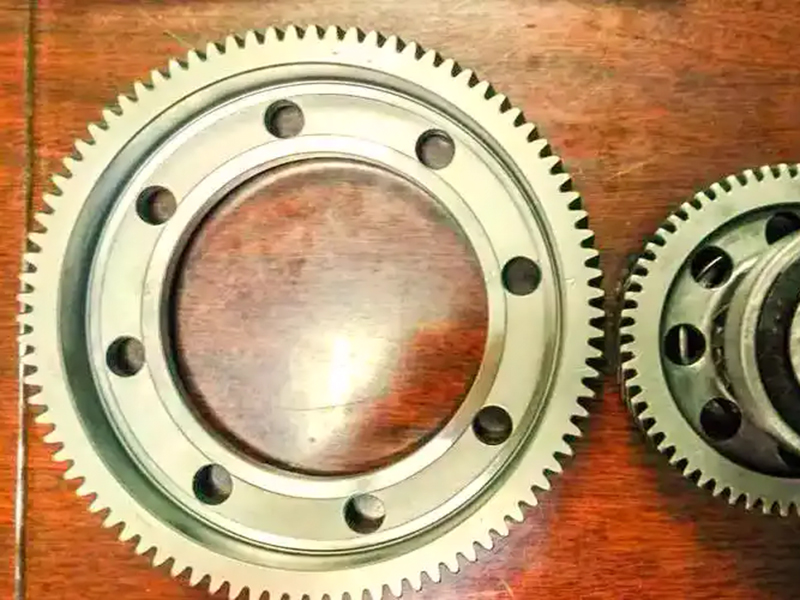
The strength of a gear depends on its material, design, and manufacturing process.
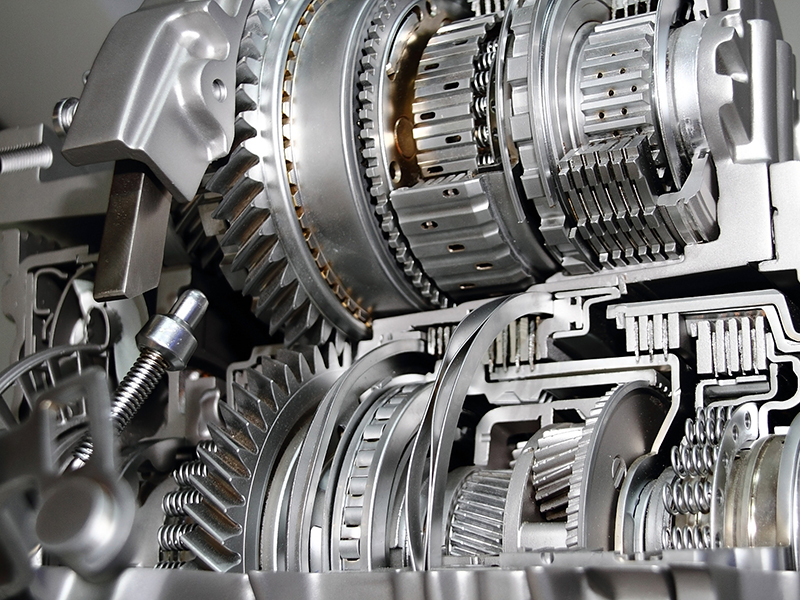
High-strength alloy steel, carburized steel, and other materials are commonly used in gear manufacturing, improving the gears hardness and wear resistance, further enhancing its load-bearing capacity and service life. Therefore, helical gears and herringbone gears are often the preferred choice in high-strength transmission systems.
Compared to spur gears, helical gears have teeth arranged at an angle, which results in a larger contact area and a smoother meshing process, reducing instantaneous impact and noise. Due to their large contact area, helical gears can withstand higher loads, making them excellent in high-load and high-speed transmissions.
Herringbone gears also have a strong load-bearing capacity. Herringbone gears are a modified type of helical gear with teeth in a "V" shape. This design allows both sides of the gear to contact the mating gear simultaneously, increasing the meshing contact area and strength, making them particularly suitable for high-load, high-impact working environments.
The strength of a gear depends on its material, design, and manufacturing process.
High-strength alloy steel, carburized steel, and other materials are commonly used in gear manufacturing, improving the gears hardness and wear resistance, further enhancing its load-bearing capacity and service life. Therefore, helical gears and herringbone gears are often the preferred choice in high-strength transmission systems.
Previous article : What are the uses of 1st, 2nd, and 3rd gears?
Next article : What is Gear Backlash?
Similar products
More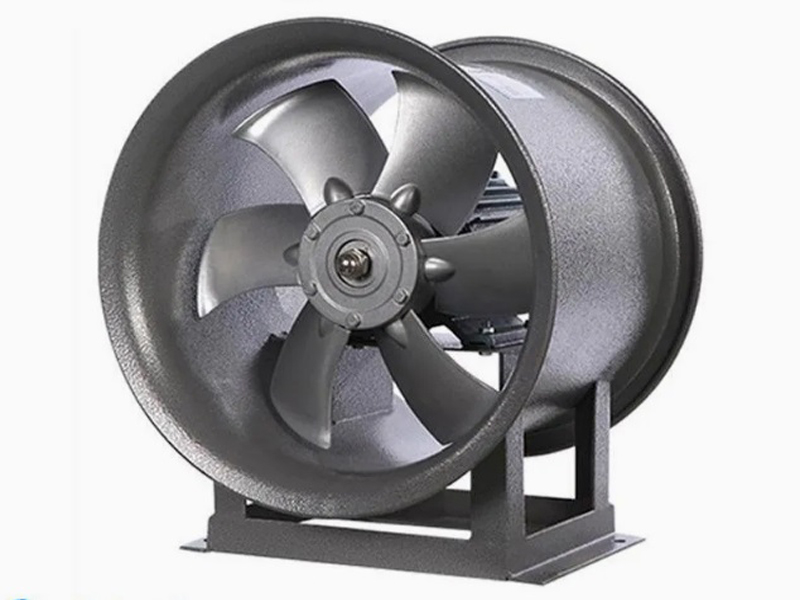
What are the machining processes used for processing axial fan housings
- Process : Sheet metal - Welding
- Material : Carbon steel
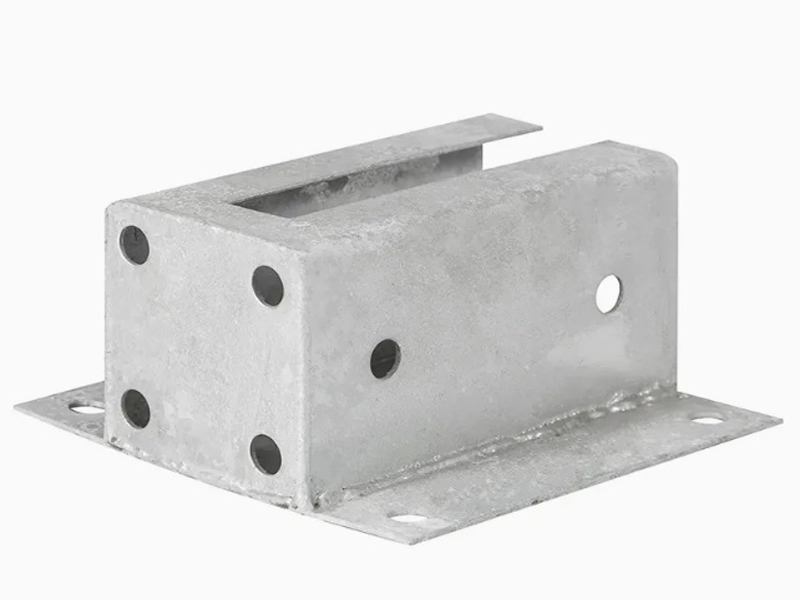
Machining Process Analysis of Carbon Steel Fixed Anchor Plates
- Process : Machining - CNC milling or milling machining
- Material : Carbon steel
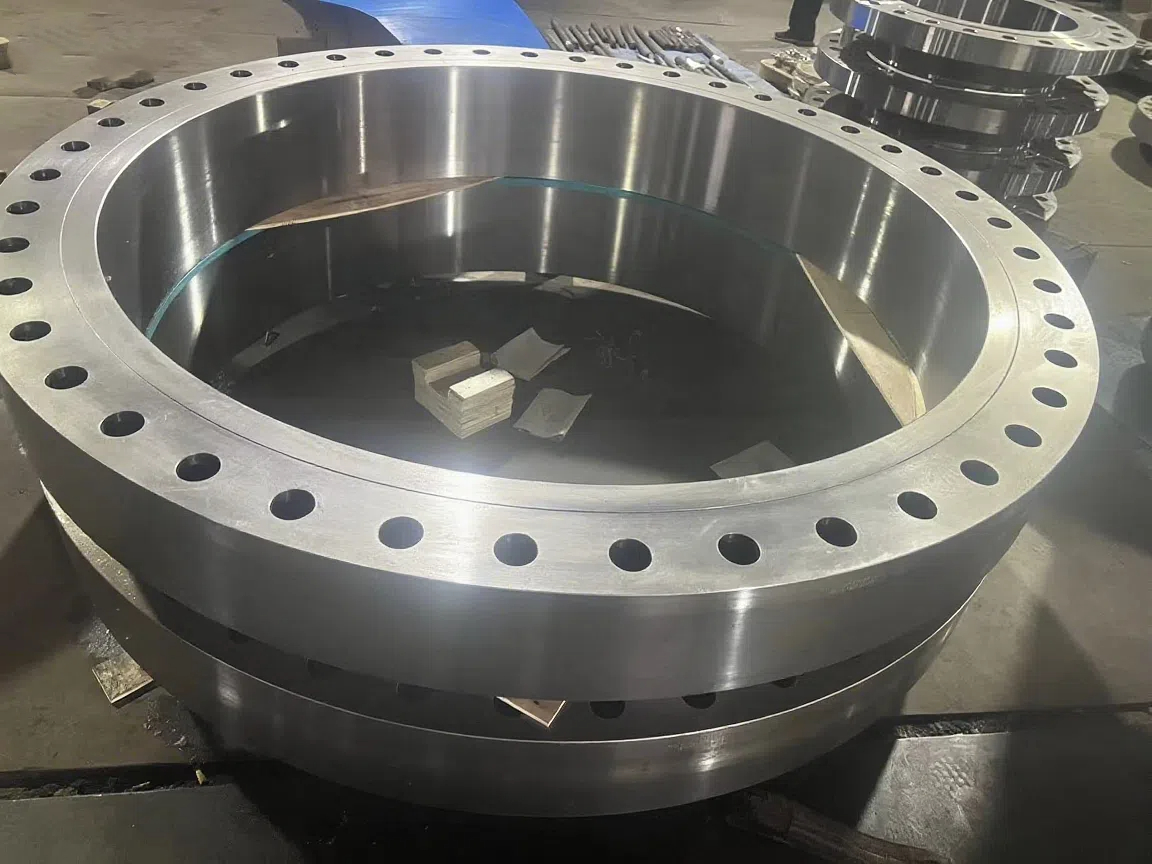
Heavy-Walled Flange Milling-Turning Machining and Flaw Detection
- Process : Machining - Turning Milling compound
- Material : Alloy steel
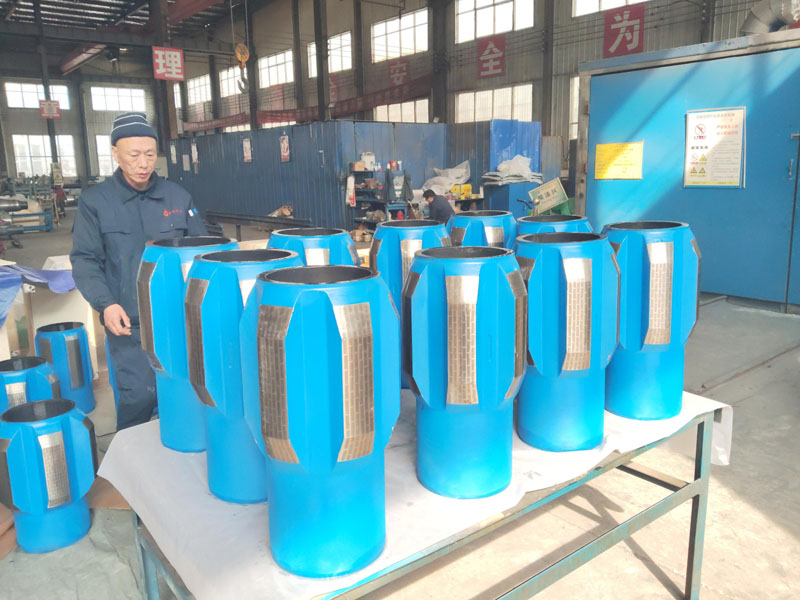
Drill Stabilizers Applied in Oil Drilling Platforms
- Process : Machining - Five-axis machining
- Material : Alloy steel
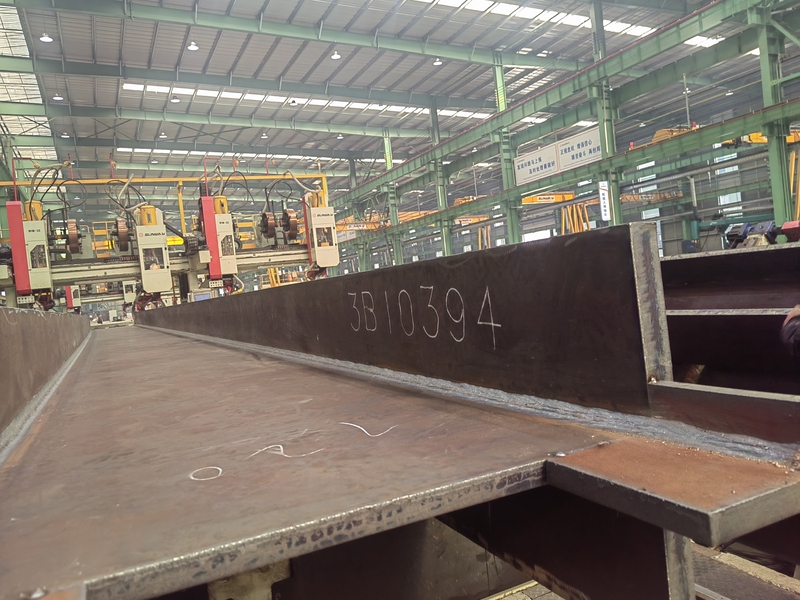
Custom Fabrication of S355JR Welded H-Beams for Construction Projects
- Process : Sheet metal - Welding
- Material : Carbon steel
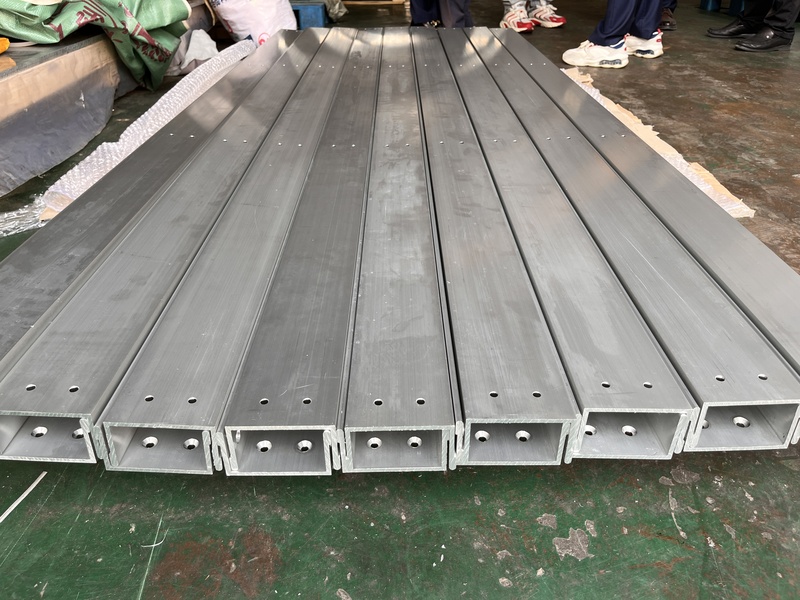
Precision Machining of U-Steel Profiles for Building Applications
- Process : Stamping - General stamping
- Material : Aluminum
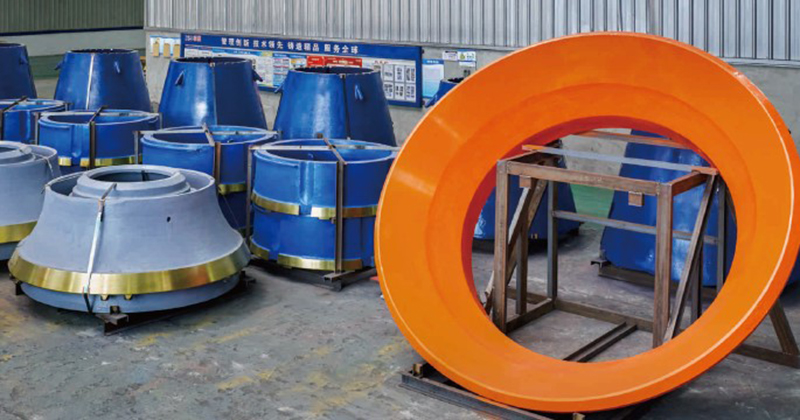
Cone Crusher Mantle
- Process : -
- Material :
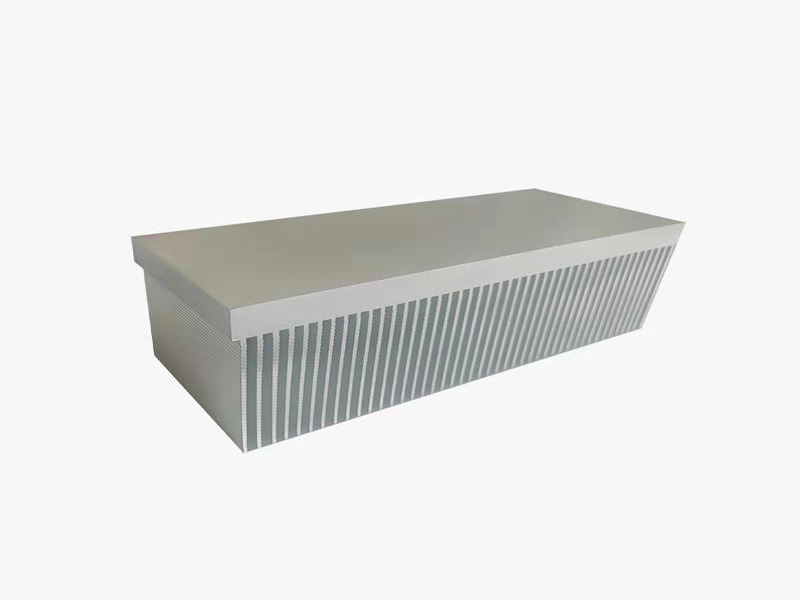
Innovative skiving technology: Breaking through the bottleneck of high-density heat dissipation technology
- Process : Surface treatment - Others
- Material : Alloy steel
More products
MoreWhat are the machining processes used for processing axial fan housings
- Process : Sheet metal - Welding
- Material : Carbon steel
Machining Process Analysis of Carbon Steel Fixed Anchor Plates
- Process : Machining - CNC milling or milling machining
- Material : Carbon steel
Heavy-Walled Flange Milling-Turning Machining and Flaw Detection
- Process : Machining - Turning Milling compound
- Material : Alloy steel
Drill Stabilizers Applied in Oil Drilling Platforms
- Process : Machining - Five-axis machining
- Material : Alloy steel
Custom Fabrication of S355JR Welded H-Beams for Construction Projects
- Process : Sheet metal - Welding
- Material : Carbon steel
Precision Machining of U-Steel Profiles for Building Applications
- Process : Stamping - General stamping
- Material : Aluminum
Cone Crusher Mantle
- Process : -
- Material :
Innovative skiving technology: Breaking through the bottleneck of high-density heat dissipation technology
- Process : Surface treatment - Others
- Material : Alloy steel