What are the uses of 1st, 2nd, and 3rd gears?
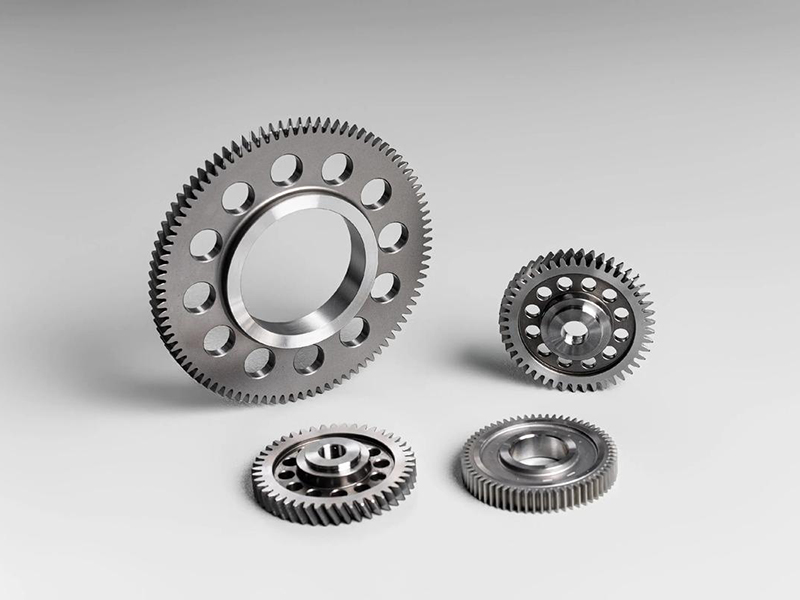
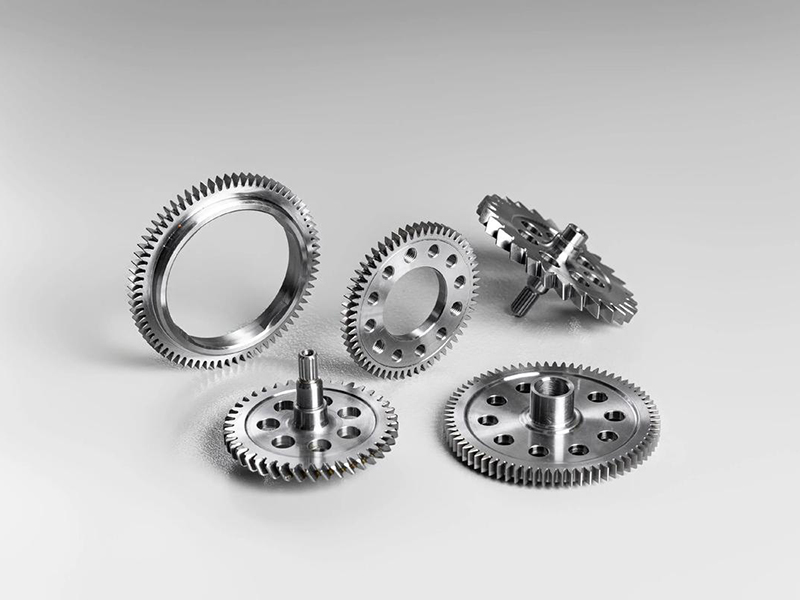
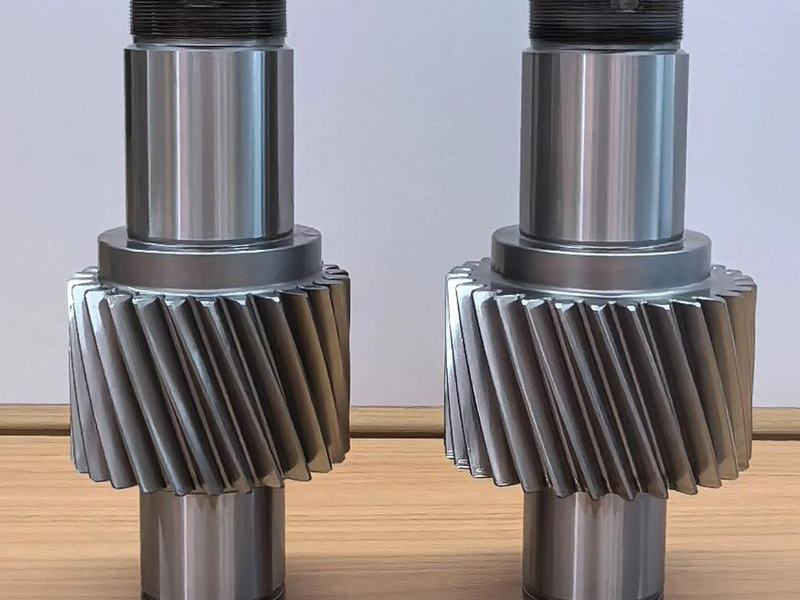
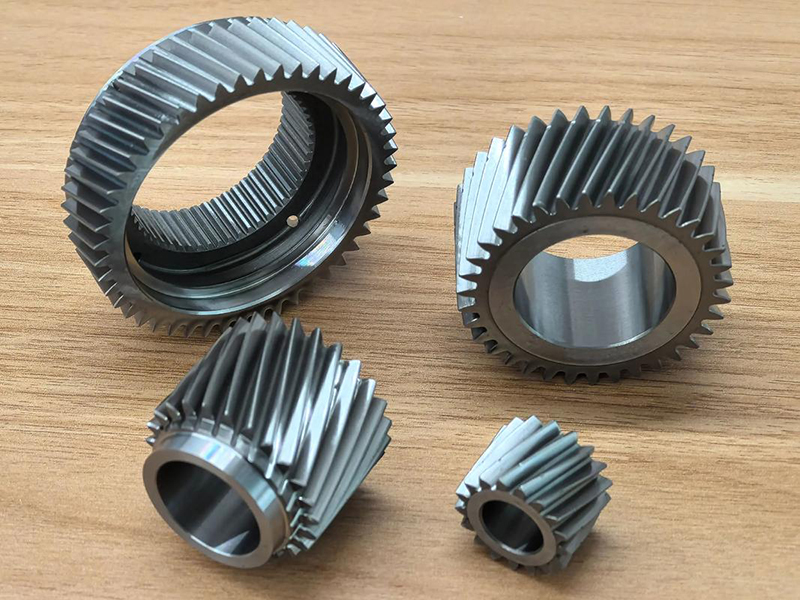
| Product name: | What are the uses of 1st, 2nd, and 3rd gears? |
| Keywords: | 1st gear, 2nd gear, 3rd gear |
| Industry: | Transportation - Automobile manufacturing industry |
| Process: | Heat treatment - Carburizing |
| Material: | Alloy steel |
Processing manufacturer
- There are 59 manufacturers that provide similar products
- There are 159 manufacturers that provide this processing technology
- There are 109 manufacturers that provide this material processing service
- There are 128 manufacturers that provide this industry processing service
Product details
In a cars manual transmission, 1st, 2nd, and 3rd gears have the unique mission of transmitting power at different speeds. The core principle is to change torque and speed through different combinations of gear sizes.
1st Gear: The Heavy-Duty Starter
It has the largest gear ratio, which converts the engines power into enormous torque to overcome the vehicles huge inertia when stationary. Therefore, 1st gear is specifically used for starting, climbing steep slopes, or towing heavy objects, but the speed is very low.
2nd Gear: The Transitional Bridge
After completing the start, 2nd gear is engaged. It reduces the gear ratio, providing moderate torque while allowing the speed to increase. It is an ideal choice for low-speed driving or gentle slope acceleration, achieving a smooth transition from starting to cruising.
3rd Gear: The Urban Road Cruiser
The gear ratio of 3rd gear is further reduced, and the torque amplification effect is weakened, but the speed increase capability is significantly enhanced. It is typically used for medium-speed cruising, overtaking, or gentle acceleration on urban roads, achieving a good balance between power and fuel economy.
The progression from 1st to 3rd gear is a process of gradually decreasing torque and gradually increasing speed, designed to allow the engine to efficiently adapt to different driving needs.
1st Gear: The Heavy-Duty Starter
It has the largest gear ratio, which converts the engines power into enormous torque to overcome the vehicles huge inertia when stationary. Therefore, 1st gear is specifically used for starting, climbing steep slopes, or towing heavy objects, but the speed is very low.
2nd Gear: The Transitional Bridge
After completing the start, 2nd gear is engaged. It reduces the gear ratio, providing moderate torque while allowing the speed to increase. It is an ideal choice for low-speed driving or gentle slope acceleration, achieving a smooth transition from starting to cruising.
3rd Gear: The Urban Road Cruiser
The gear ratio of 3rd gear is further reduced, and the torque amplification effect is weakened, but the speed increase capability is significantly enhanced. It is typically used for medium-speed cruising, overtaking, or gentle acceleration on urban roads, achieving a good balance between power and fuel economy.
The progression from 1st to 3rd gear is a process of gradually decreasing torque and gradually increasing speed, designed to allow the engine to efficiently adapt to different driving needs.
Previous article : What is the Gear Manufacturing Process?
Next article : Which Gear is the Strongest?
Similar products
More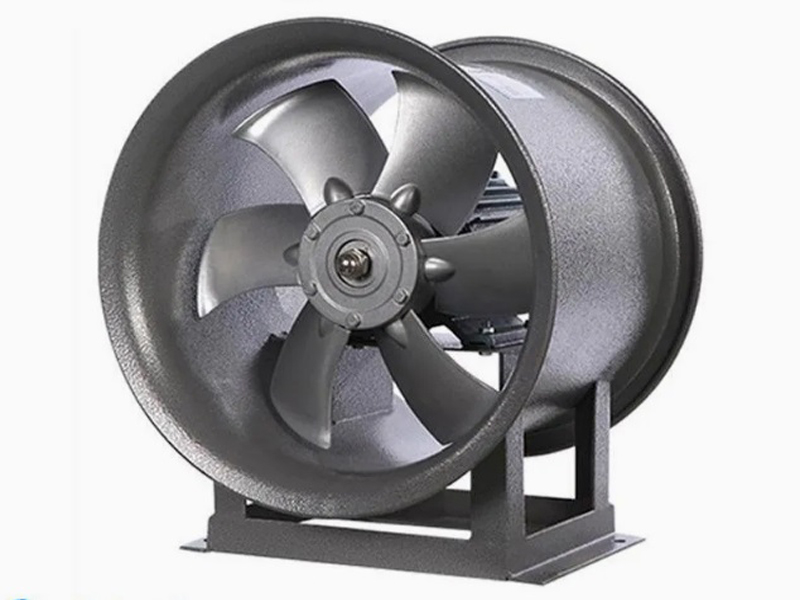
What are the machining processes used for processing axial fan housings
- Process : Sheet metal - Welding
- Material : Carbon steel
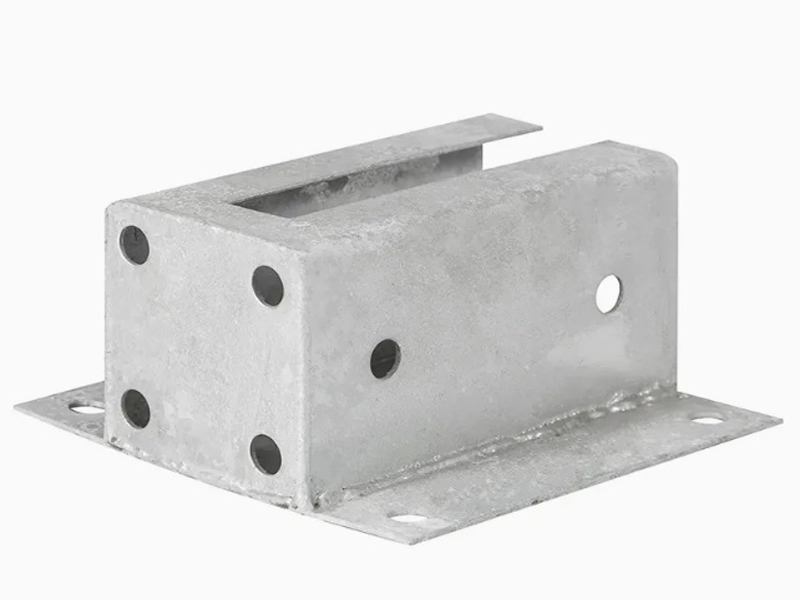
Machining Process Analysis of Carbon Steel Fixed Anchor Plates
- Process : Machining - CNC milling or milling machining
- Material : Carbon steel
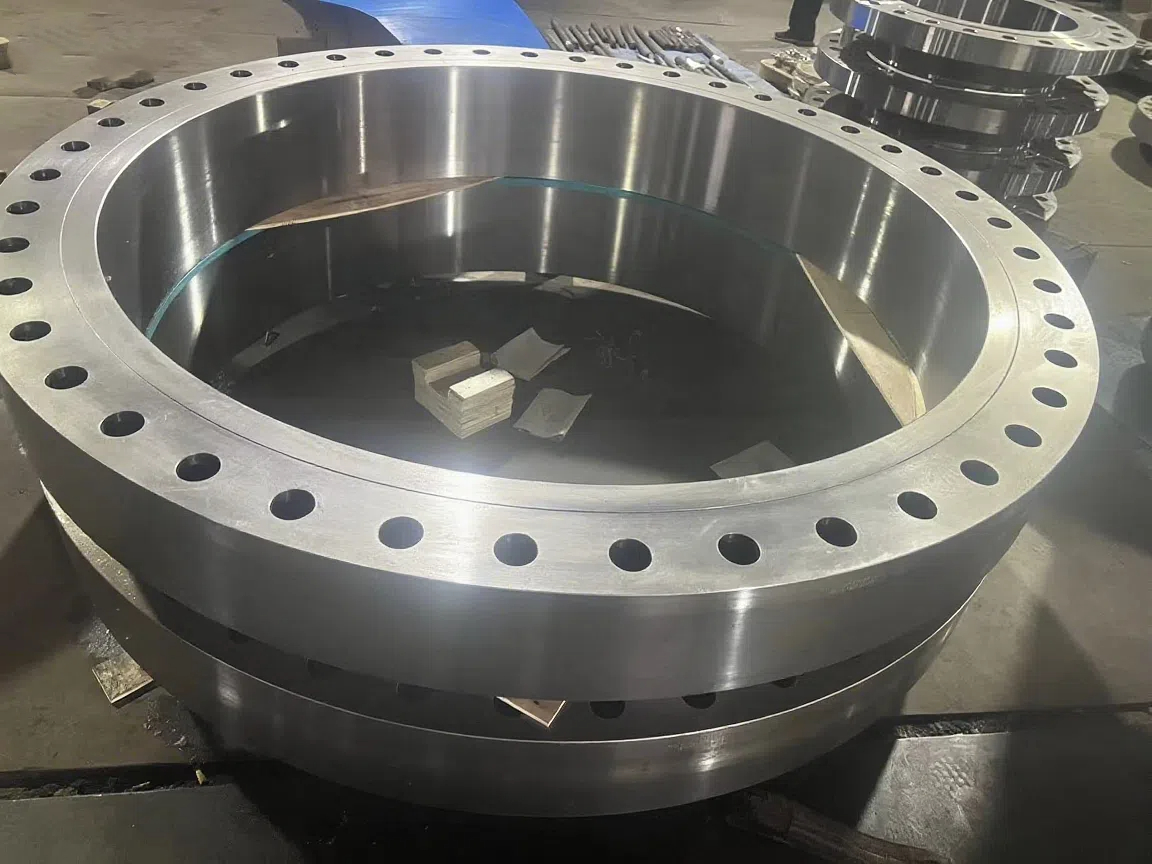
Heavy-Walled Flange Milling-Turning Machining and Flaw Detection
- Process : Machining - Turning Milling compound
- Material : Alloy steel
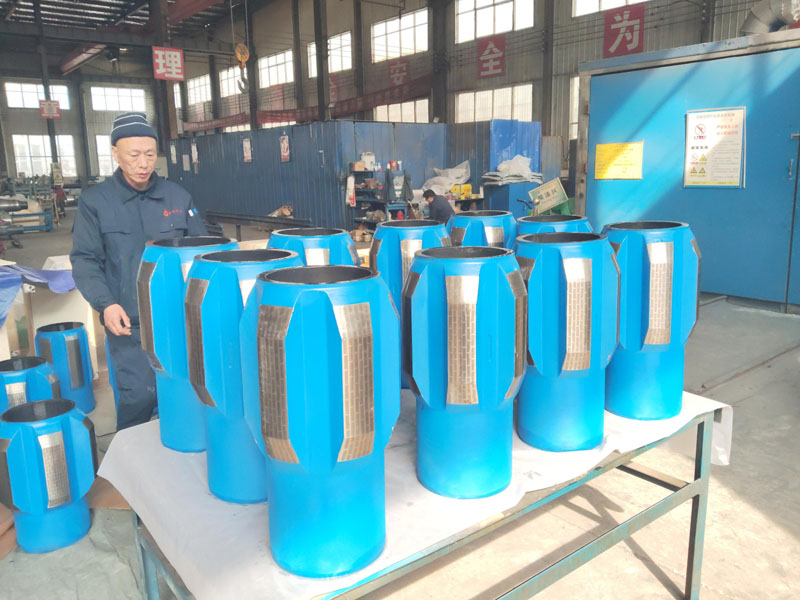
Drill Stabilizers Applied in Oil Drilling Platforms
- Process : Machining - Five-axis machining
- Material : Alloy steel
Custom Fabrication of S355JR Welded H-Beams for Construction Projects
- Process : Sheet metal - Welding
- Material : Carbon steel
Precision Machining of U-Steel Profiles for Building Applications
- Process : Stamping - General stamping
- Material : Aluminum
Cone Crusher Mantle
- Process : -
- Material :
Innovative skiving technology: Breaking through the bottleneck of high-density heat dissipation technology
- Process : Surface treatment - Others
- Material : Alloy steel
More products
MoreWhat are the machining processes used for processing axial fan housings
- Process : Sheet metal - Welding
- Material : Carbon steel
Machining Process Analysis of Carbon Steel Fixed Anchor Plates
- Process : Machining - CNC milling or milling machining
- Material : Carbon steel
Heavy-Walled Flange Milling-Turning Machining and Flaw Detection
- Process : Machining - Turning Milling compound
- Material : Alloy steel
Drill Stabilizers Applied in Oil Drilling Platforms
- Process : Machining - Five-axis machining
- Material : Alloy steel
Custom Fabrication of S355JR Welded H-Beams for Construction Projects
- Process : Sheet metal - Welding
- Material : Carbon steel
Precision Machining of U-Steel Profiles for Building Applications
- Process : Stamping - General stamping
- Material : Aluminum
Cone Crusher Mantle
- Process : -
- Material :
Innovative skiving technology: Breaking through the bottleneck of high-density heat dissipation technology
- Process : Surface treatment - Others
- Material : Alloy steel