What is Gear Backlash?
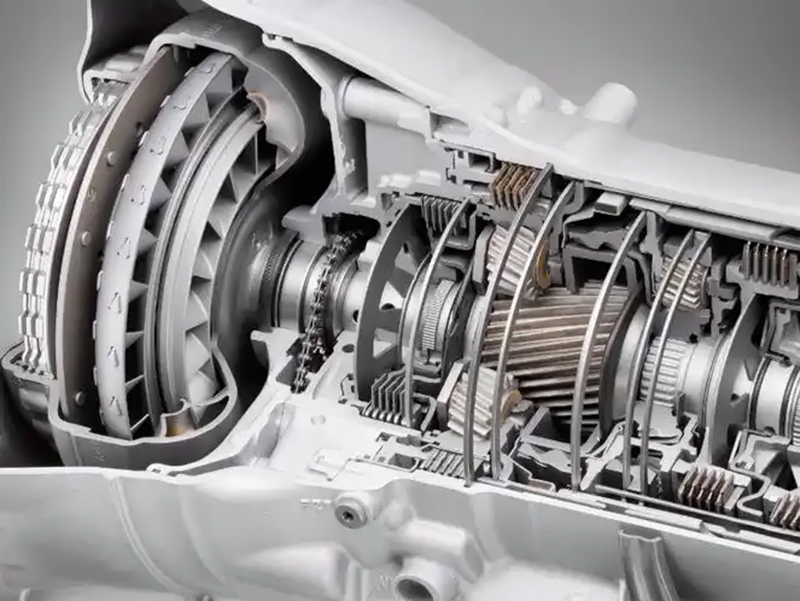
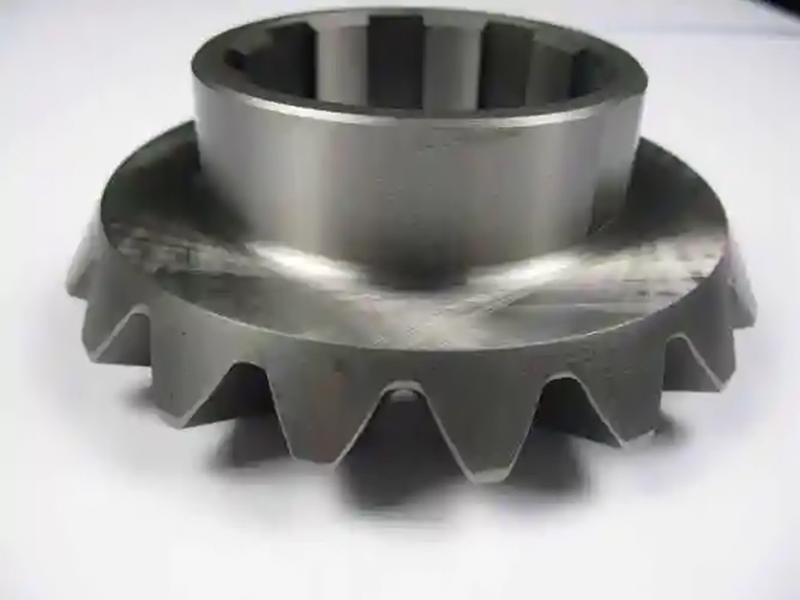
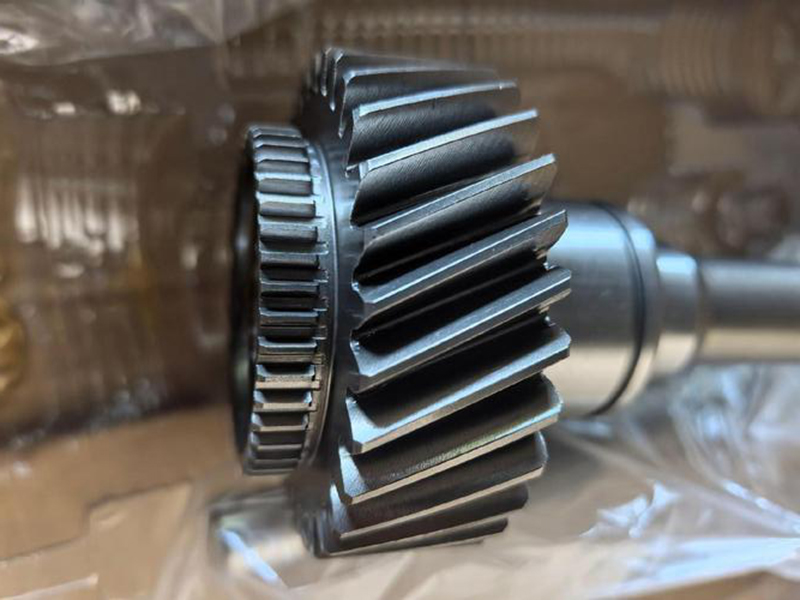
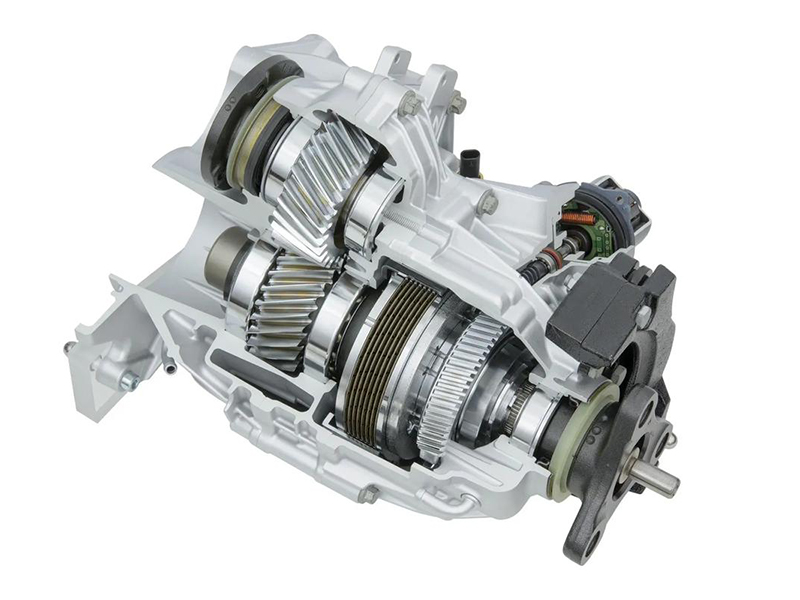
| Product name: | What is Gear Backlash? |
| Keywords: | Gear Backlash: The Core Function |
| Industry: | Transportation - Automobile manufacturing industry |
| Process: | Heat treatment - Carburizing |
| Material: | Alloy steel |
Processing manufacturer
- There are 47 manufacturers that provide similar products
- There are 148 manufacturers that provide this processing technology
- There are 85 manufacturers that provide this material processing service
- There are 168 manufacturers that provide this industry processing service
Product details
Gear backlash refers to the small amount of play or clearance between the teeth of a pair of meshing gears, allowing one gear to move slightly when the other is held stationary. Its essentially the gap between the tooth profiles. The existence of backlash is to prevent interference during gear rotation, ensure smooth meshing, and reduce friction.
The core function of backlash is crucial:
First, it provides space for thermal expansion of the gears, preventing them and the housing from seizing due to expansion at elevated temperatures.
Second, it accommodates a lubricating oil film, ensuring adequate lubrication of the tooth surfaces and reducing wear.
Finally, it compensates for minor manufacturing and assembly errors, ensuring the transmission system operates flexibly without excessive noise and vibration.
However, this clearance must be precisely controlled. Insufficient backlash can cause gears to mesh too tightly, generating high temperatures, noise, and accelerated wear, even leading to seizure.
Excessive backlash, on the other hand, can cause impact, backlash error, and significant noise during gear reversal, affecting transmission accuracy and smoothness.
Therefore, in precision machinery (such as robots and CNC machine tools), backlash control is one of the key indicators for measuring its performance.
The core function of backlash is crucial:
First, it provides space for thermal expansion of the gears, preventing them and the housing from seizing due to expansion at elevated temperatures.
Second, it accommodates a lubricating oil film, ensuring adequate lubrication of the tooth surfaces and reducing wear.
Finally, it compensates for minor manufacturing and assembly errors, ensuring the transmission system operates flexibly without excessive noise and vibration.
However, this clearance must be precisely controlled. Insufficient backlash can cause gears to mesh too tightly, generating high temperatures, noise, and accelerated wear, even leading to seizure.
Excessive backlash, on the other hand, can cause impact, backlash error, and significant noise during gear reversal, affecting transmission accuracy and smoothness.
Therefore, in precision machinery (such as robots and CNC machine tools), backlash control is one of the key indicators for measuring its performance.
Previous article : Which Gear is the Strongest?
Next article : Steel Materials for Automotive Gears
Similar products
More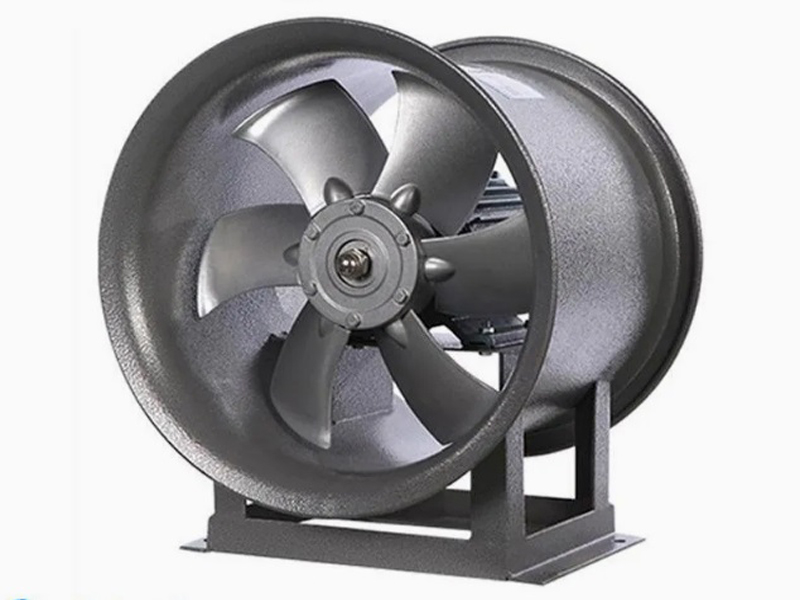
What are the machining processes used for processing axial fan housings
- Process : Sheet metal - Welding
- Material : Carbon steel
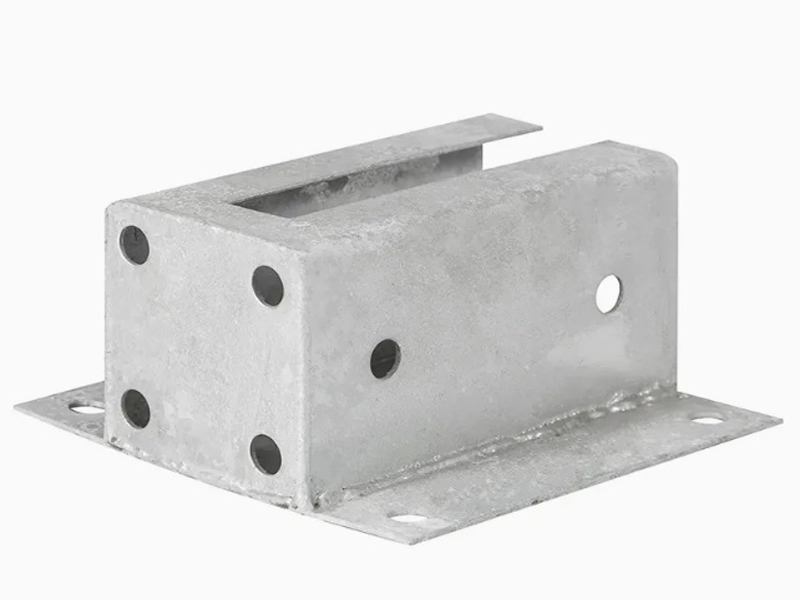
Machining Process Analysis of Carbon Steel Fixed Anchor Plates
- Process : Machining - CNC milling or milling machining
- Material : Carbon steel
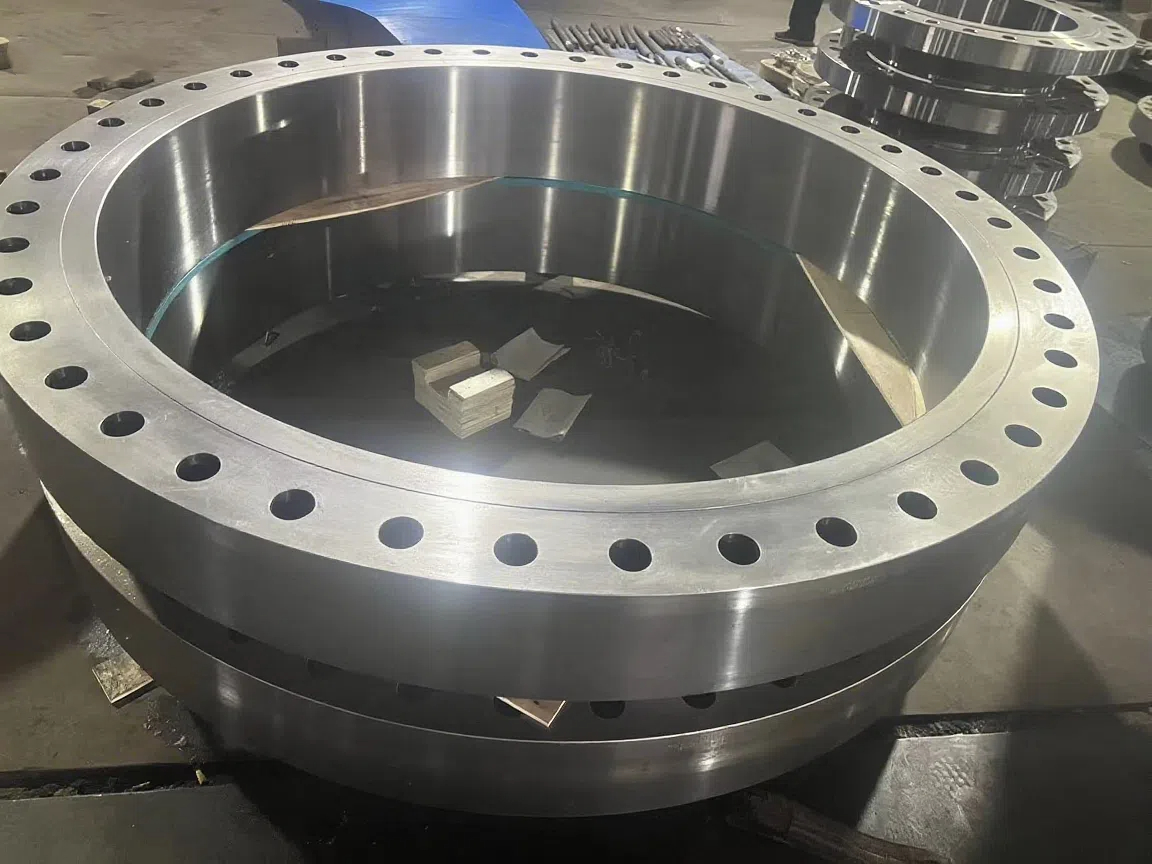
Heavy-Walled Flange Milling-Turning Machining and Flaw Detection
- Process : Machining - Turning Milling compound
- Material : Alloy steel
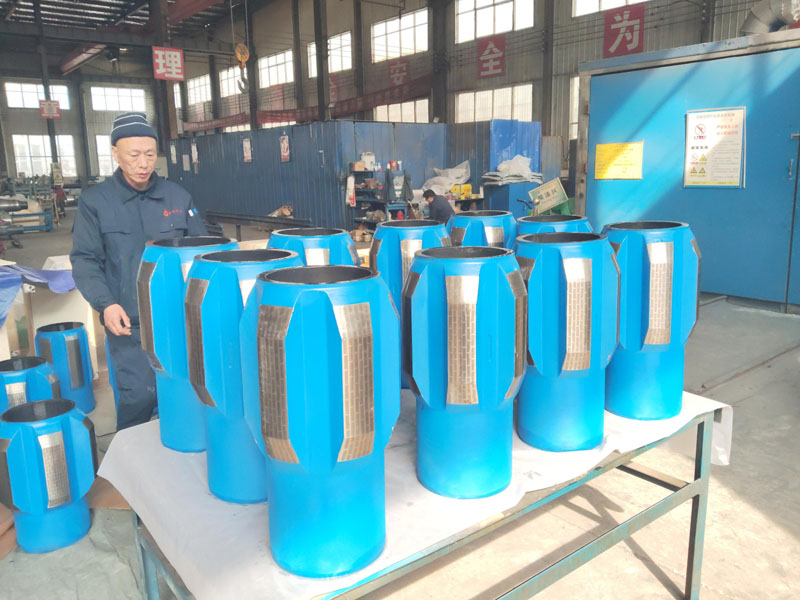
Drill Stabilizers Applied in Oil Drilling Platforms
- Process : Machining - Five-axis machining
- Material : Alloy steel
Custom Fabrication of S355JR Welded H-Beams for Construction Projects
- Process : Sheet metal - Welding
- Material : Carbon steel
Precision Machining of U-Steel Profiles for Building Applications
- Process : Stamping - General stamping
- Material : Aluminum
Cone Crusher Mantle
- Process : -
- Material :
Innovative skiving technology: Breaking through the bottleneck of high-density heat dissipation technology
- Process : Surface treatment - Others
- Material : Alloy steel
More products
MoreWhat are the machining processes used for processing axial fan housings
- Process : Sheet metal - Welding
- Material : Carbon steel
Machining Process Analysis of Carbon Steel Fixed Anchor Plates
- Process : Machining - CNC milling or milling machining
- Material : Carbon steel
Heavy-Walled Flange Milling-Turning Machining and Flaw Detection
- Process : Machining - Turning Milling compound
- Material : Alloy steel
Drill Stabilizers Applied in Oil Drilling Platforms
- Process : Machining - Five-axis machining
- Material : Alloy steel
Custom Fabrication of S355JR Welded H-Beams for Construction Projects
- Process : Sheet metal - Welding
- Material : Carbon steel
Precision Machining of U-Steel Profiles for Building Applications
- Process : Stamping - General stamping
- Material : Aluminum
Cone Crusher Mantle
- Process : -
- Material :
Innovative skiving technology: Breaking through the bottleneck of high-density heat dissipation technology
- Process : Surface treatment - Others
- Material : Alloy steel