Steel Materials for Automotive Gears
| Product name: | Steel Materials for Automotive Gears |
| Keywords: | Automotive Gear Steel, Automotive Gears |
| Industry: | Transportation - Automobile manufacturing industry |
| Process: | Heat treatment - Carburizing |
| Material: | Alloy steel |
Processing manufacturer
- There are 54 manufacturers that provide similar products
- There are 190 manufacturers that provide this processing technology
- There are 67 manufacturers that provide this material processing service
- There are 157 manufacturers that provide this industry processing service
Product details
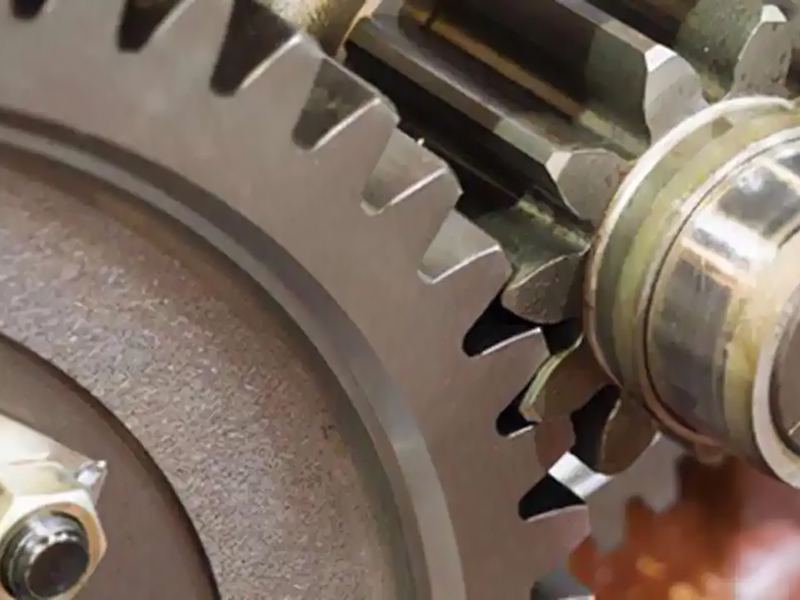
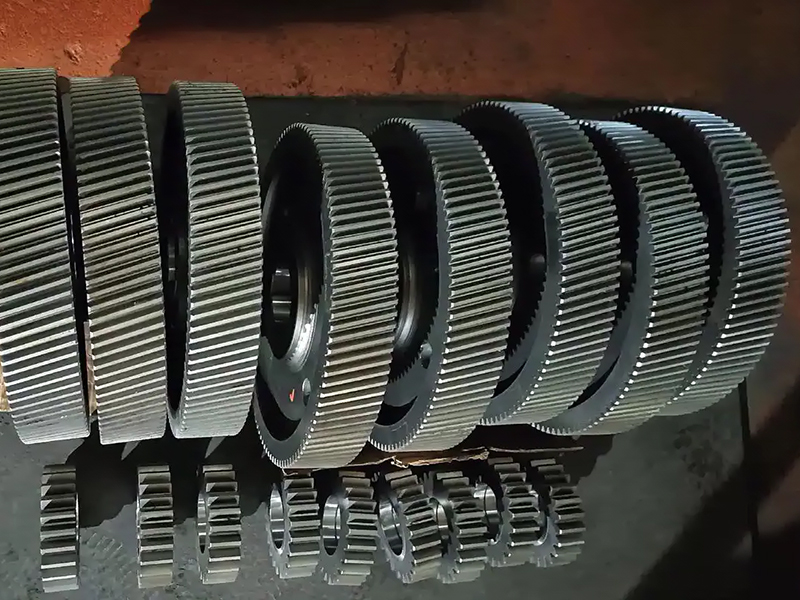
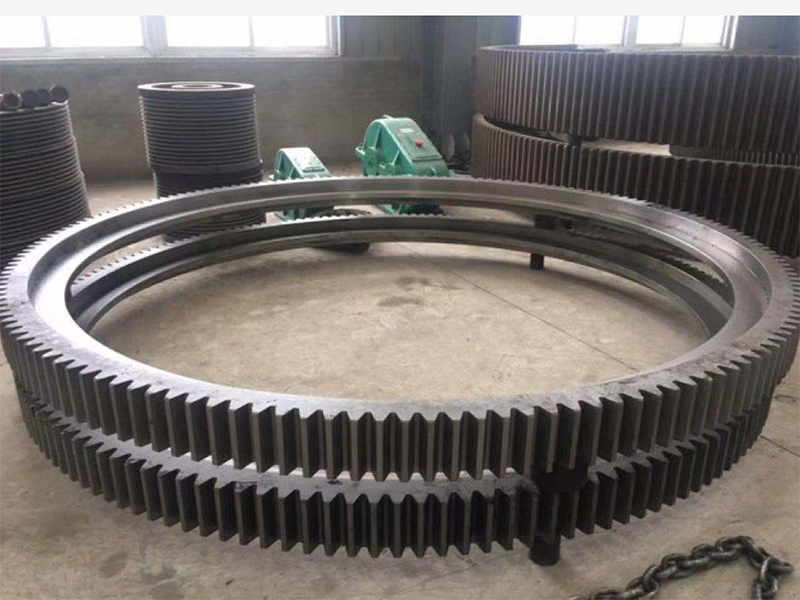
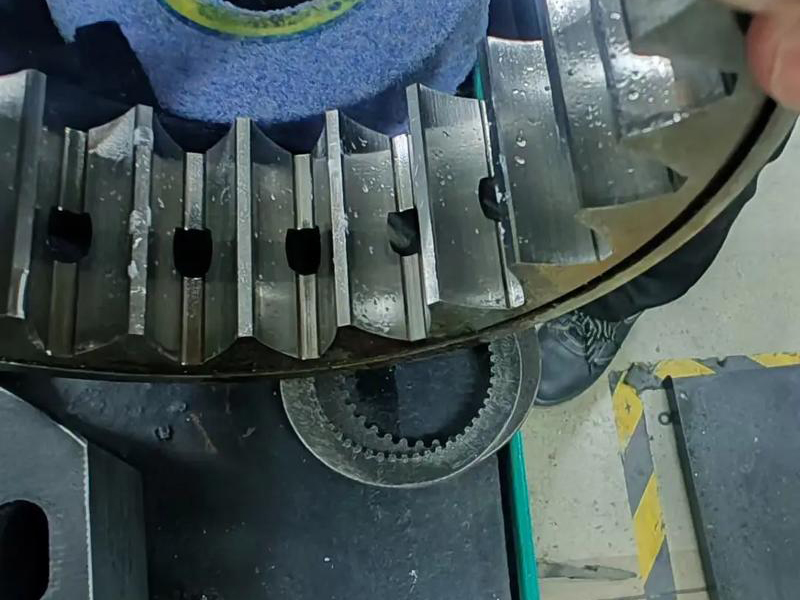
Automotive gears endure immense pressure during power and torque transmission, making the selection of their material crucial.
Common steel materials used for automotive gears mainly include alloy steel, carbon steel, and stainless steel.
Alloy steel is the most common material for automotive gears, especially low-alloy steels such as 16MnCr5 and 20CrMnTi, which possess good comprehensive properties and can provide excellent hardness, toughness, and wear resistance. The addition of alloying elements such as chromium, nickel, and molybdenum enhances the strength and corrosion resistance of the steel, effectively extending the service life of the gears.
Alloy steel is also suitable for carburizing treatment, which, after surface hardening, can improve the wear resistance and fatigue resistance of the gears.
Carbon steel, such as C45 steel, is used in some low-load, low-speed gear transmission systems, offering good machinability but relatively poor strength and wear resistance.
In certain special applications, such as environments requiring high corrosion resistance, stainless steel gears are also used, but their strength and hardness are generally lower.
Common steel materials used for automotive gears mainly include alloy steel, carbon steel, and stainless steel.
Alloy steel is the most common material for automotive gears, especially low-alloy steels such as 16MnCr5 and 20CrMnTi, which possess good comprehensive properties and can provide excellent hardness, toughness, and wear resistance. The addition of alloying elements such as chromium, nickel, and molybdenum enhances the strength and corrosion resistance of the steel, effectively extending the service life of the gears.
Alloy steel is also suitable for carburizing treatment, which, after surface hardening, can improve the wear resistance and fatigue resistance of the gears.
Carbon steel, such as C45 steel, is used in some low-load, low-speed gear transmission systems, offering good machinability but relatively poor strength and wear resistance.
In certain special applications, such as environments requiring high corrosion resistance, stainless steel gears are also used, but their strength and hardness are generally lower.
Previous article : What is Gear Backlash?
Next article : 20CrMnTi Steel Automotive Gears
Similar products
More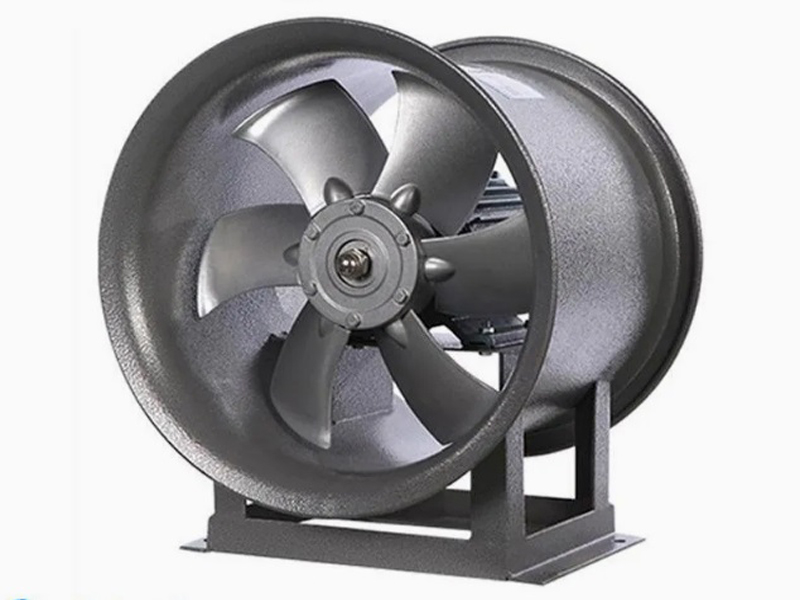
What are the machining processes used for processing axial fan housings
- Process : Sheet metal - Welding
- Material : Carbon steel
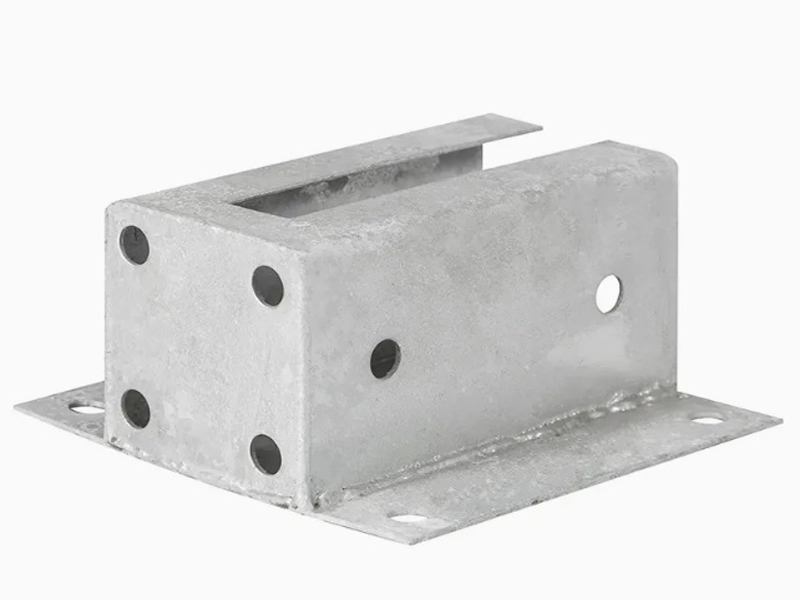
Machining Process Analysis of Carbon Steel Fixed Anchor Plates
- Process : Machining - CNC milling or milling machining
- Material : Carbon steel
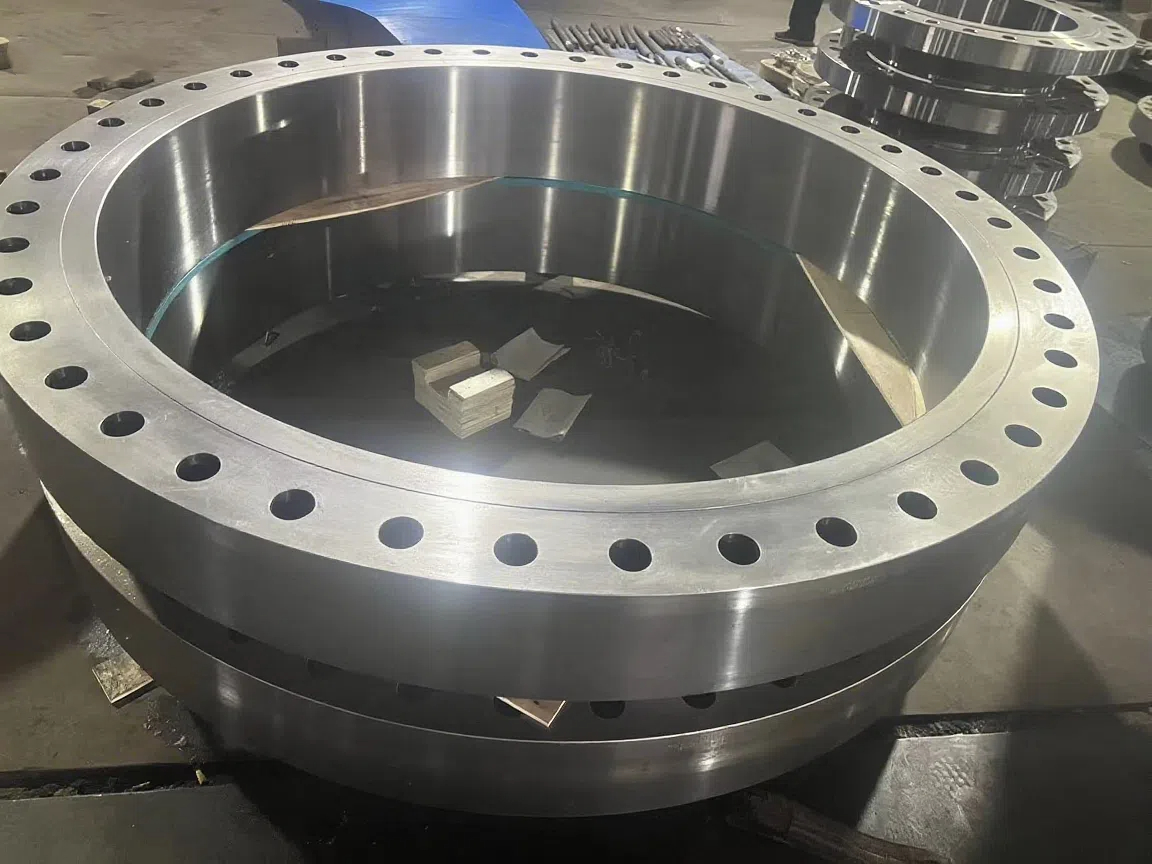
Heavy-Walled Flange Milling-Turning Machining and Flaw Detection
- Process : Machining - Turning Milling compound
- Material : Alloy steel
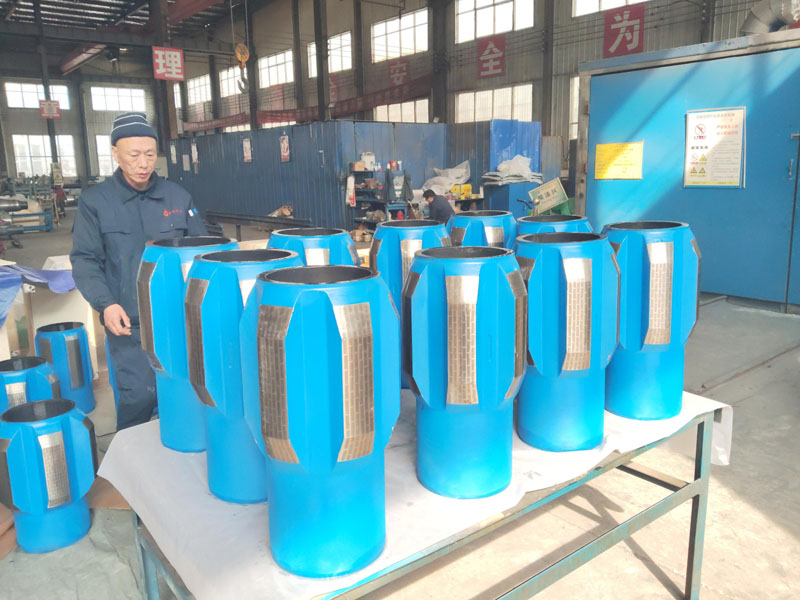
Drill Stabilizers Applied in Oil Drilling Platforms
- Process : Machining - Five-axis machining
- Material : Alloy steel
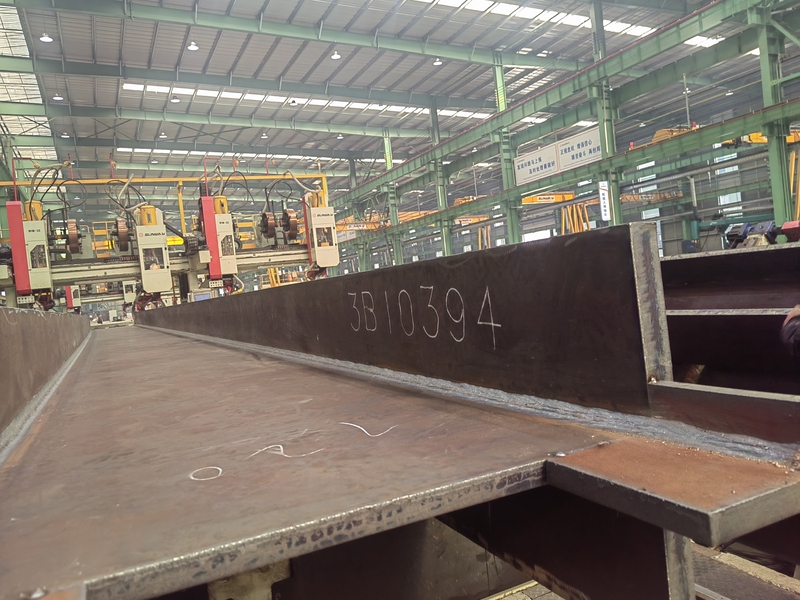
Custom Fabrication of S355JR Welded H-Beams for Construction Projects
- Process : Sheet metal - Welding
- Material : Carbon steel
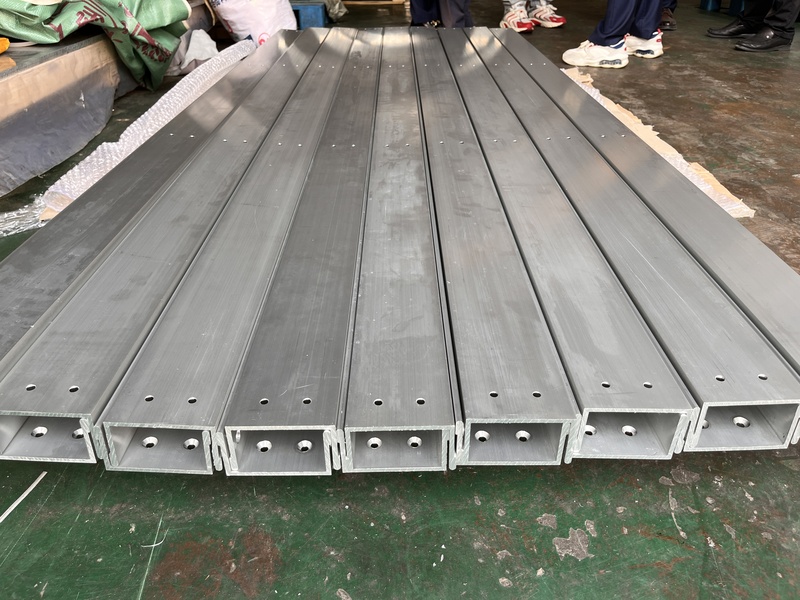
Precision Machining of U-Steel Profiles for Building Applications
- Process : Stamping - General stamping
- Material : Aluminum
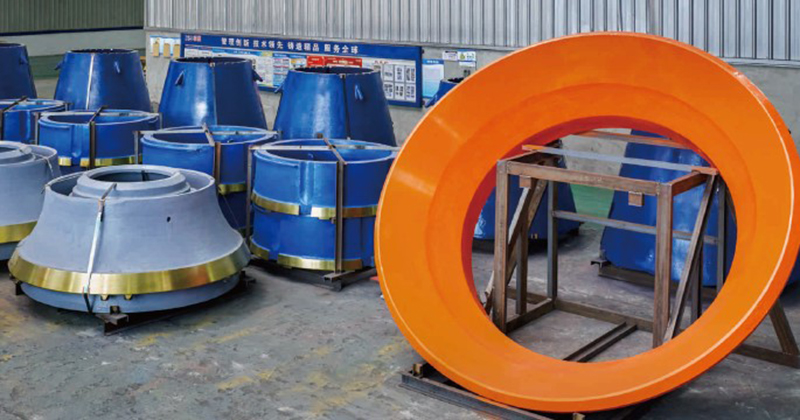
Cone Crusher Mantle
- Process : -
- Material :
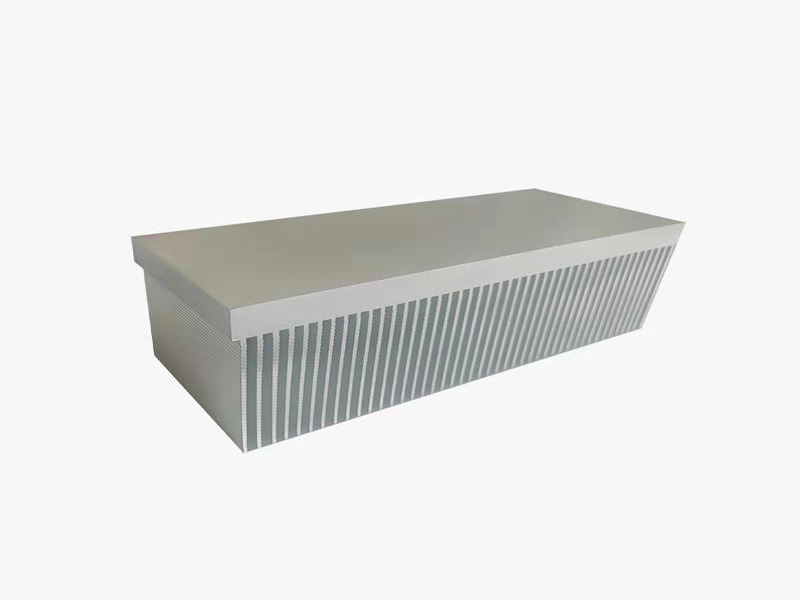
Innovative skiving technology: Breaking through the bottleneck of high-density heat dissipation technology
- Process : Surface treatment - Others
- Material : Alloy steel
More products
MoreWhat are the machining processes used for processing axial fan housings
- Process : Sheet metal - Welding
- Material : Carbon steel
Machining Process Analysis of Carbon Steel Fixed Anchor Plates
- Process : Machining - CNC milling or milling machining
- Material : Carbon steel
Heavy-Walled Flange Milling-Turning Machining and Flaw Detection
- Process : Machining - Turning Milling compound
- Material : Alloy steel
Drill Stabilizers Applied in Oil Drilling Platforms
- Process : Machining - Five-axis machining
- Material : Alloy steel
Custom Fabrication of S355JR Welded H-Beams for Construction Projects
- Process : Sheet metal - Welding
- Material : Carbon steel
Precision Machining of U-Steel Profiles for Building Applications
- Process : Stamping - General stamping
- Material : Aluminum
Cone Crusher Mantle
- Process : -
- Material :
Innovative skiving technology: Breaking through the bottleneck of high-density heat dissipation technology
- Process : Surface treatment - Others
- Material : Alloy steel