What's the difference between a crankshaft and a camshaft?

| Product name: | What's the difference between a crankshaft and a camshaft? |
| Keywords: | Crankshafts and camshafts, their functional differences, their structural features, and their interlocking relationship. |
| Industry: | Transportation - Automobile manufacturing industry |
| Process: | Heat treatment - Carburizing |
| Material: | Alloy steel |
Processing manufacturer
- There are 31 manufacturers that provide similar products
- There are 191 manufacturers that provide this processing technology
- There are 115 manufacturers that provide this material processing service
- There are 115 manufacturers that provide this industry processing service
Product details
The crankshaft and camshaft are two core components of an engine, but their functions and structures are distinct:
Functional Differences Between Crankshafts and Camshafts:
Crankshaft: Converts the reciprocating motion of the pistons into rotational motion, generating power to drive the vehicle.
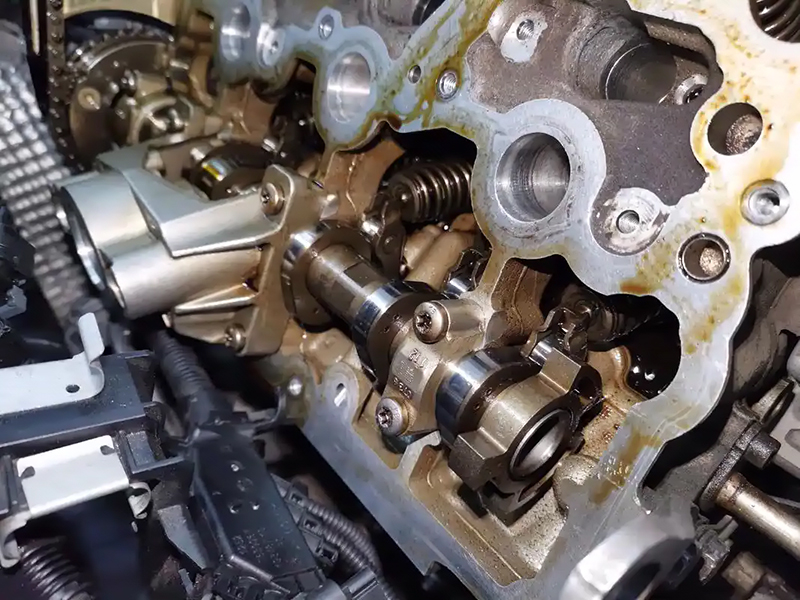
Camshaft: Controls the opening and closing timing of the valves, managing the engine's intake and exhaust processes.
Structural Features of the Crankshaft and Camshaft:
Crankshaft: A long shaft with a crank and counterweights, it withstands the pressure of explosions and requires forging from high-strength materials.
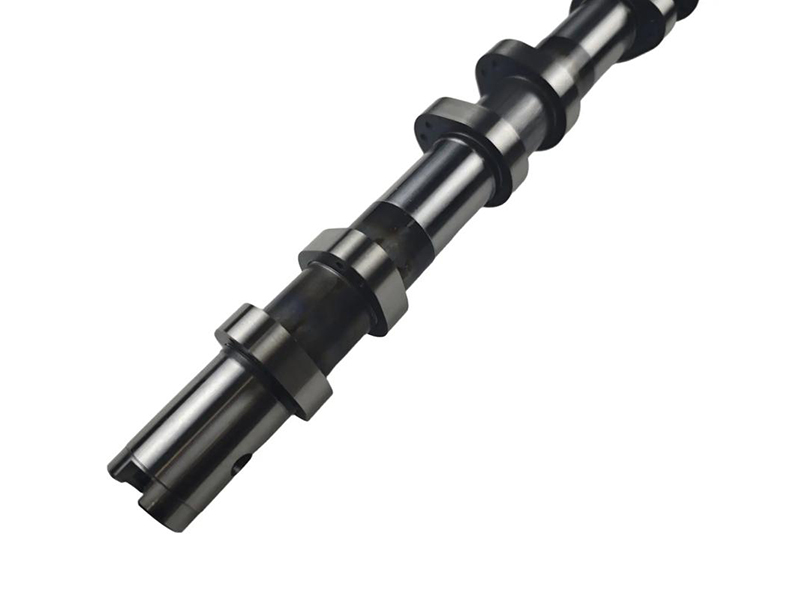
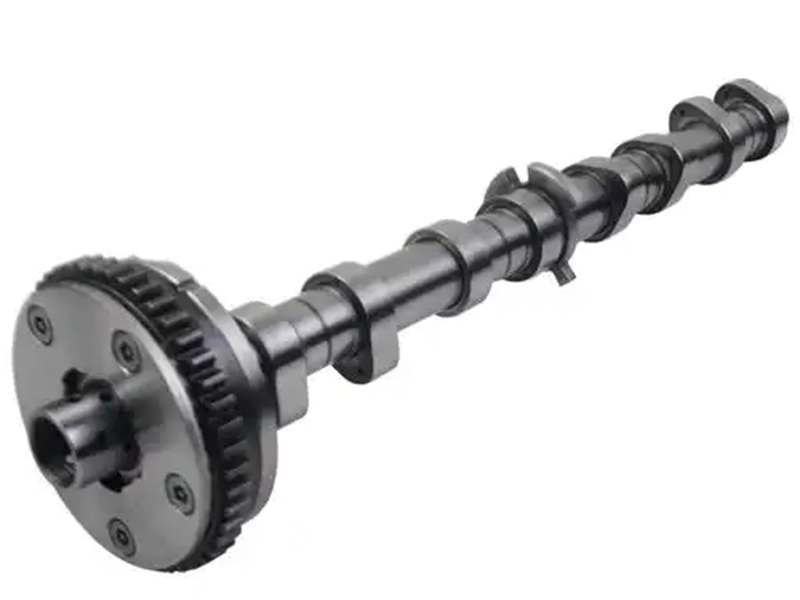
Camshaft: A cam with a specifically contoured surface rotates to drive the valve train.
How the Crankshaft and Camshaft Work Together:
Both operate synchronously via a timing belt/chain, with the crankshaft rotating at twice the speed of the camshaft (in a four-stroke engine).
The crankshaft determines power output, while the camshaft influences combustion efficiency, working together to ensure proper engine operation.
Functional Differences Between Crankshafts and Camshafts:
Crankshaft: Converts the reciprocating motion of the pistons into rotational motion, generating power to drive the vehicle.
Camshaft: Controls the opening and closing timing of the valves, managing the engine's intake and exhaust processes.
Structural Features of the Crankshaft and Camshaft:
Crankshaft: A long shaft with a crank and counterweights, it withstands the pressure of explosions and requires forging from high-strength materials.
Camshaft: A cam with a specifically contoured surface rotates to drive the valve train.
How the Crankshaft and Camshaft Work Together:
Both operate synchronously via a timing belt/chain, with the crankshaft rotating at twice the speed of the camshaft (in a four-stroke engine).
The crankshaft determines power output, while the camshaft influences combustion efficiency, working together to ensure proper engine operation.
Previous article : Can an Engine Run Without a Camshaft?
Next article : What is a camshaft?
Similar products
More
What are the machining processes used for processing axial fan housings
- Process : Sheet metal - Welding
- Material : Carbon steel
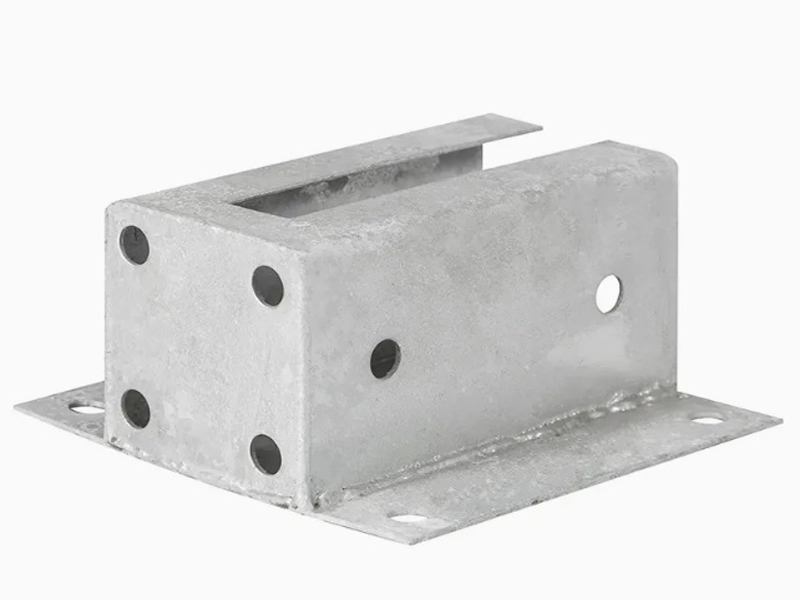
Machining Process Analysis of Carbon Steel Fixed Anchor Plates
- Process : Machining - CNC milling or milling machining
- Material : Carbon steel
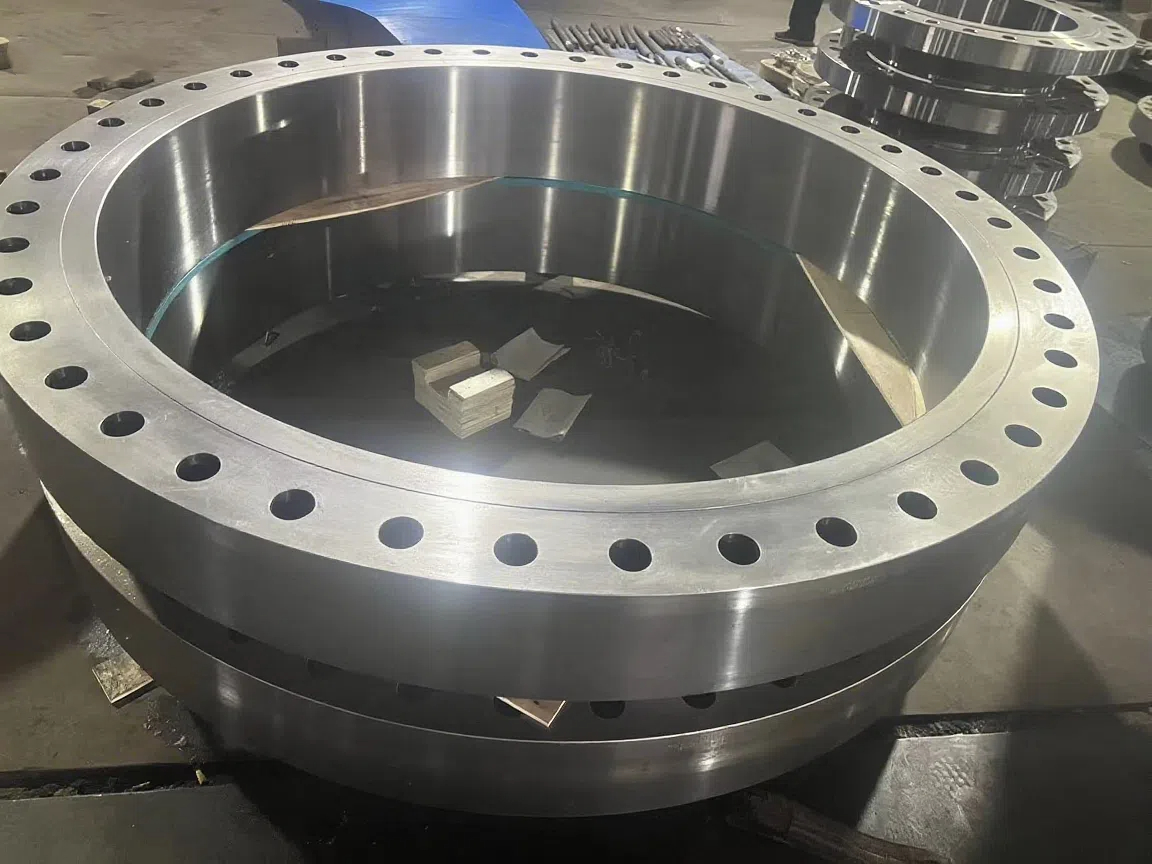
Heavy-Walled Flange Milling-Turning Machining and Flaw Detection
- Process : Machining - Turning Milling compound
- Material : Alloy steel
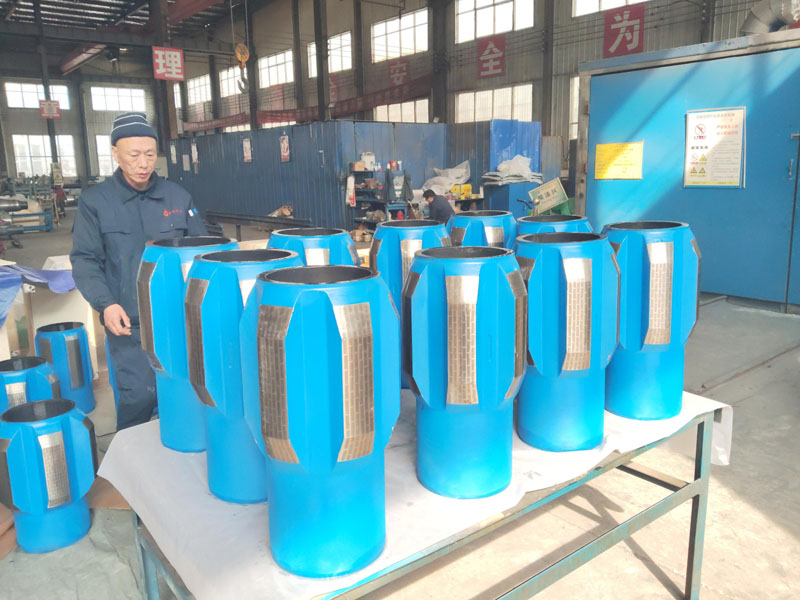
Drill Stabilizers Applied in Oil Drilling Platforms
- Process : Machining - Five-axis machining
- Material : Alloy steel
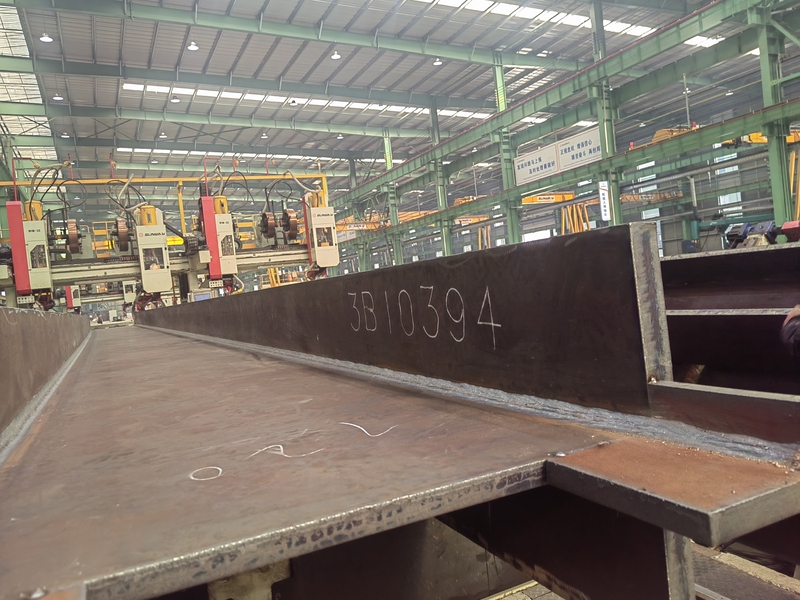
Custom Fabrication of S355JR Welded H-Beams for Construction Projects
- Process : Sheet metal - Welding
- Material : Carbon steel
Precision Machining of U-Steel Profiles for Building Applications
- Process : Stamping - General stamping
- Material : Aluminum
Cone Crusher Mantle
- Process : -
- Material :
Innovative skiving technology: Breaking through the bottleneck of high-density heat dissipation technology
- Process : Surface treatment - Others
- Material : Alloy steel
More products
MoreWhat are the machining processes used for processing axial fan housings
- Process : Sheet metal - Welding
- Material : Carbon steel
Machining Process Analysis of Carbon Steel Fixed Anchor Plates
- Process : Machining - CNC milling or milling machining
- Material : Carbon steel
Heavy-Walled Flange Milling-Turning Machining and Flaw Detection
- Process : Machining - Turning Milling compound
- Material : Alloy steel
Drill Stabilizers Applied in Oil Drilling Platforms
- Process : Machining - Five-axis machining
- Material : Alloy steel
Custom Fabrication of S355JR Welded H-Beams for Construction Projects
- Process : Sheet metal - Welding
- Material : Carbon steel
Precision Machining of U-Steel Profiles for Building Applications
- Process : Stamping - General stamping
- Material : Aluminum
Cone Crusher Mantle
- Process : -
- Material :
Innovative skiving technology: Breaking through the bottleneck of high-density heat dissipation technology
- Process : Surface treatment - Others
- Material : Alloy steel