What is a Gear? What Does it Do?
| Product name: | What is a Gear? What Does it Do? |
| Keywords: | Wheel-shaped mechanical part, bevel gear |
| Industry: | Transportation - Automobile manufacturing industry |
| Process: | Heat treatment - Carburizing |
| Material: | Alloy steel |
Processing manufacturer
- There are 51 manufacturers that provide similar products
- There are 149 manufacturers that provide this processing technology
- There are 64 manufacturers that provide this material processing service
- There are 140 manufacturers that provide this industry processing service
Product details
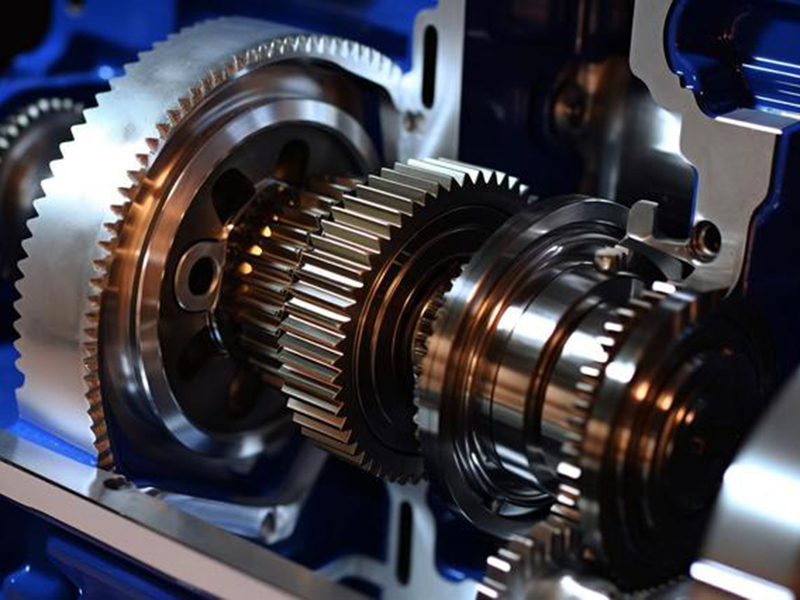
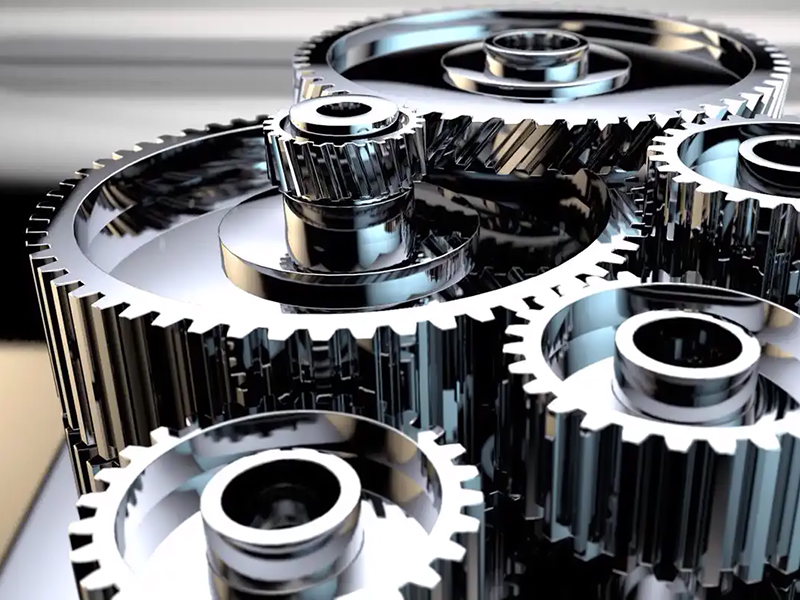
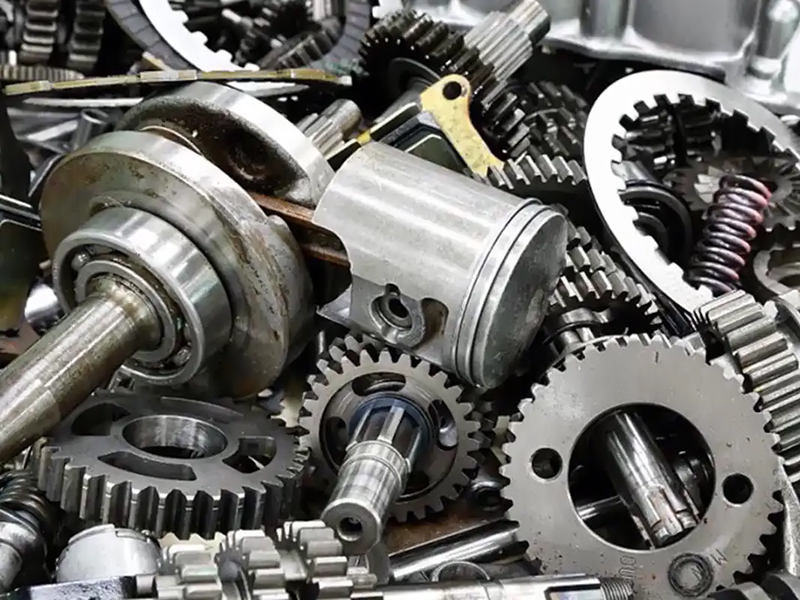
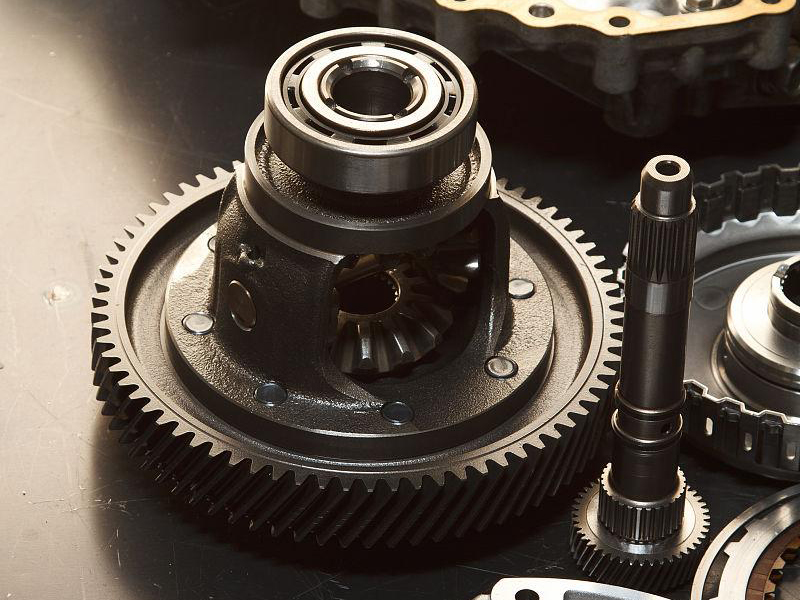
A gear is a wheel-shaped mechanical part with continuous teeth on its edge. Its most basic and important function is to transmit power and motion from one drive shaft to another through the meshing of teeth.
Its core functions are mainly reflected in four aspects:
Transmitting power and motion: This is the most basic function of gears, such as an engine transmitting power to the wheels.
Changing speed: By meshing gears of different sizes, the speed of the driven shaft can be increased or decreased.
Changing torque: While reducing speed, gear transmission proportionally increases the output torque, thereby obtaining greater force. This is the principle behind the operation of car gearboxes and cranes.
Changing the direction of motion: Through special types such as bevel gears, the direction of the rotating shaft can be changed by 90 degrees or other angles.
With its efficient, reliable, and precise characteristics, gears have become an indispensable "transmission skeleton" in modern industry, silently driving the orderly operation of the entire world.
Its core functions are mainly reflected in four aspects:
Transmitting power and motion: This is the most basic function of gears, such as an engine transmitting power to the wheels.
Changing speed: By meshing gears of different sizes, the speed of the driven shaft can be increased or decreased.
Changing torque: While reducing speed, gear transmission proportionally increases the output torque, thereby obtaining greater force. This is the principle behind the operation of car gearboxes and cranes.
Changing the direction of motion: Through special types such as bevel gears, the direction of the rotating shaft can be changed by 90 degrees or other angles.
With its efficient, reliable, and precise characteristics, gears have become an indispensable "transmission skeleton" in modern industry, silently driving the orderly operation of the entire world.
Previous article : Machined Products - Bearing Protection Cover
Next article : What is the Gear Manufacturing Process?
Similar products
More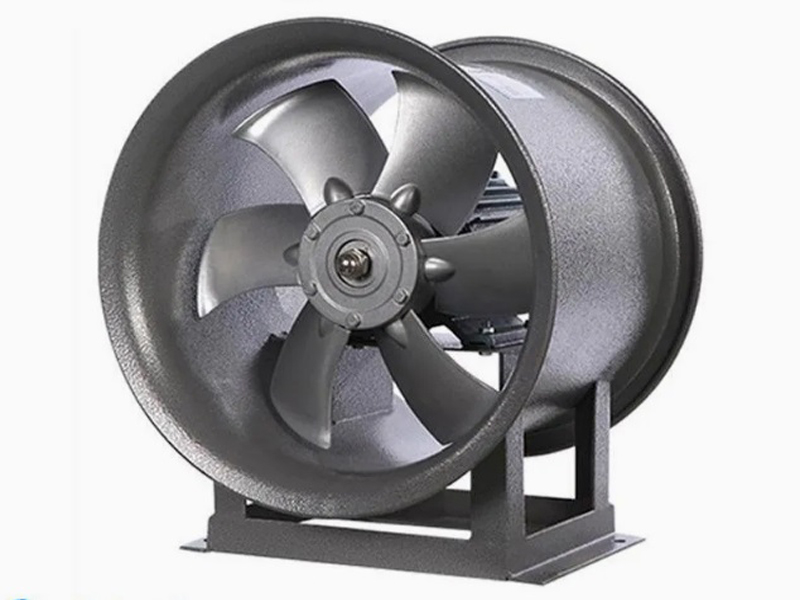
What are the machining processes used for processing axial fan housings
- Process : Sheet metal - Welding
- Material : Carbon steel
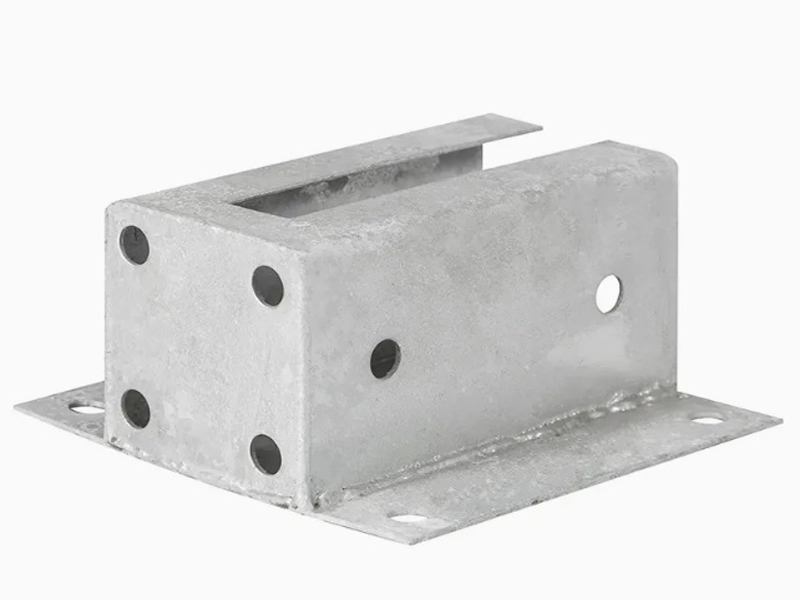
Machining Process Analysis of Carbon Steel Fixed Anchor Plates
- Process : Machining - CNC milling or milling machining
- Material : Carbon steel
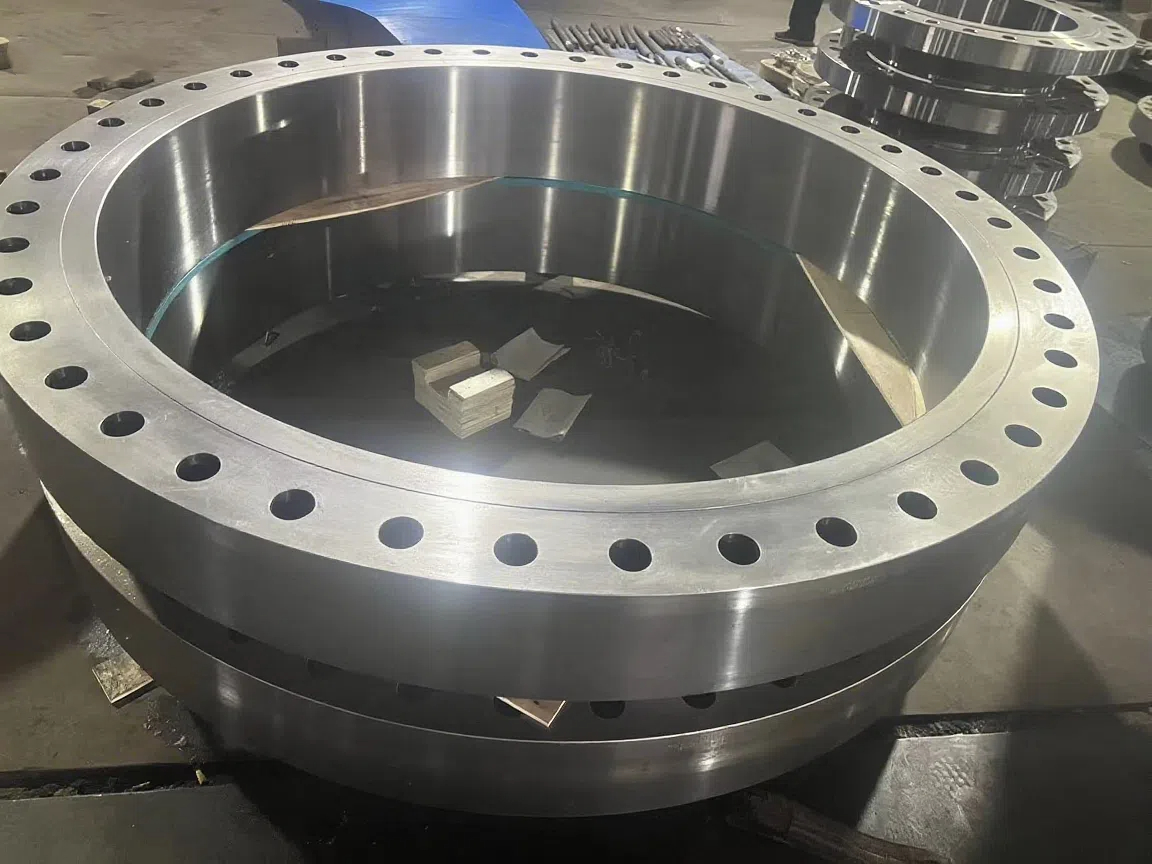
Heavy-Walled Flange Milling-Turning Machining and Flaw Detection
- Process : Machining - Turning Milling compound
- Material : Alloy steel
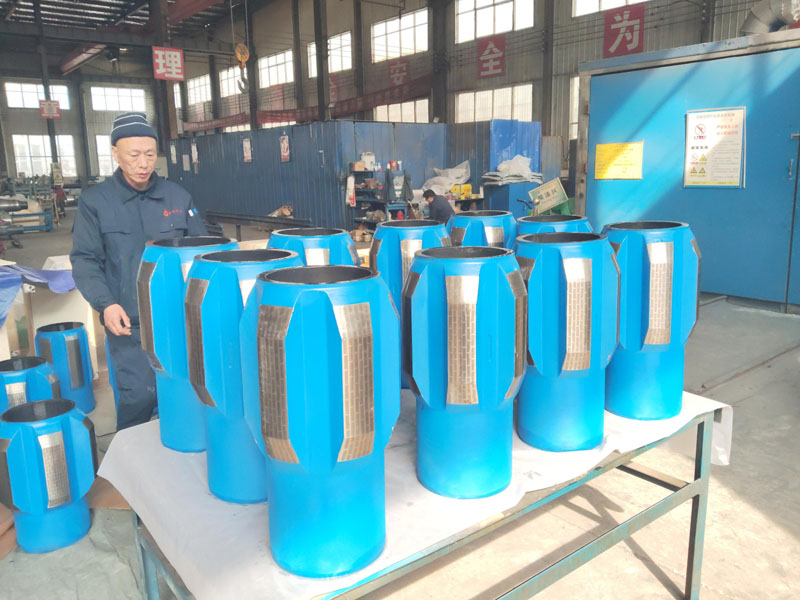
Drill Stabilizers Applied in Oil Drilling Platforms
- Process : Machining - Five-axis machining
- Material : Alloy steel
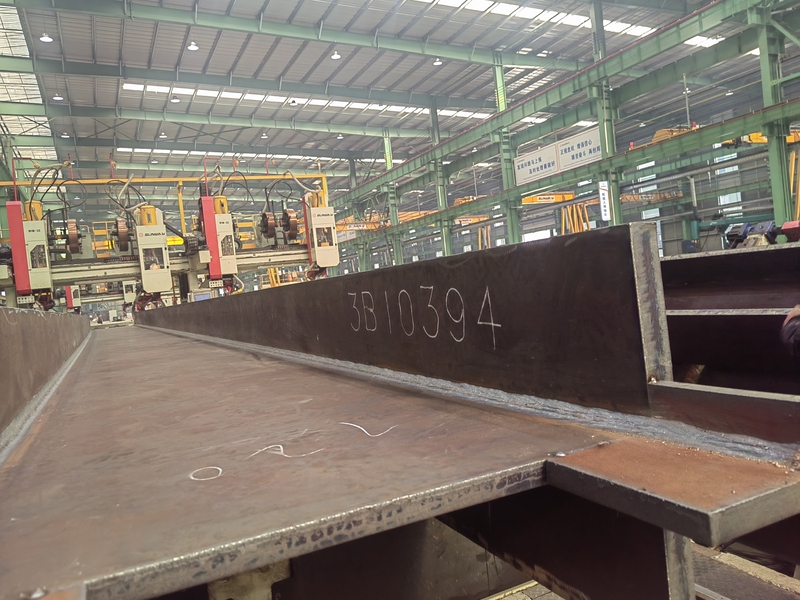
Custom Fabrication of S355JR Welded H-Beams for Construction Projects
- Process : Sheet metal - Welding
- Material : Carbon steel
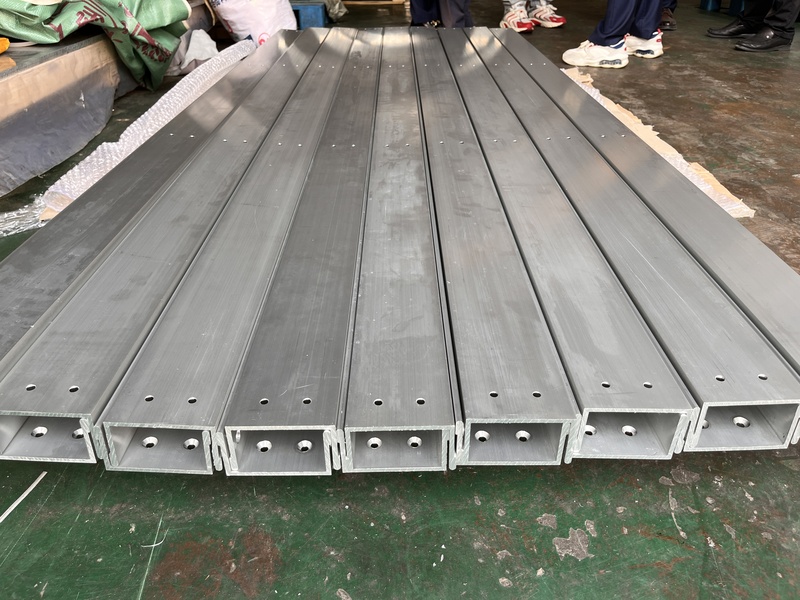
Precision Machining of U-Steel Profiles for Building Applications
- Process : Stamping - General stamping
- Material : Aluminum
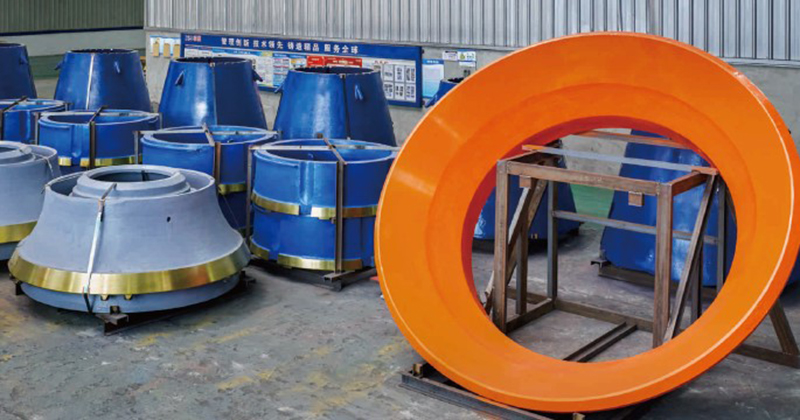
Cone Crusher Mantle
- Process : -
- Material :
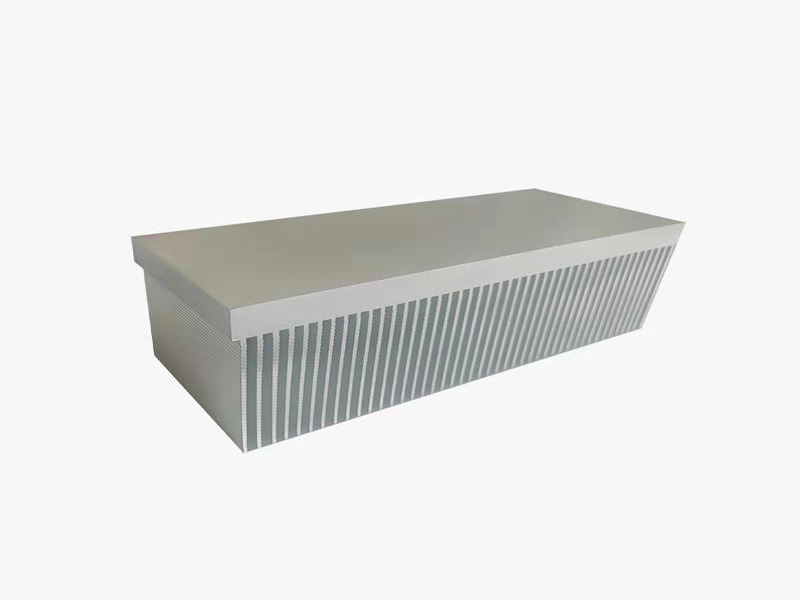
Innovative skiving technology: Breaking through the bottleneck of high-density heat dissipation technology
- Process : Surface treatment - Others
- Material : Alloy steel
More products
MoreWhat are the machining processes used for processing axial fan housings
- Process : Sheet metal - Welding
- Material : Carbon steel
Machining Process Analysis of Carbon Steel Fixed Anchor Plates
- Process : Machining - CNC milling or milling machining
- Material : Carbon steel
Heavy-Walled Flange Milling-Turning Machining and Flaw Detection
- Process : Machining - Turning Milling compound
- Material : Alloy steel
Drill Stabilizers Applied in Oil Drilling Platforms
- Process : Machining - Five-axis machining
- Material : Alloy steel
Custom Fabrication of S355JR Welded H-Beams for Construction Projects
- Process : Sheet metal - Welding
- Material : Carbon steel
Precision Machining of U-Steel Profiles for Building Applications
- Process : Stamping - General stamping
- Material : Aluminum
Cone Crusher Mantle
- Process : -
- Material :
Innovative skiving technology: Breaking through the bottleneck of high-density heat dissipation technology
- Process : Surface treatment - Others
- Material : Alloy steel