The Value of Forged Shafts in the Aerospace Field
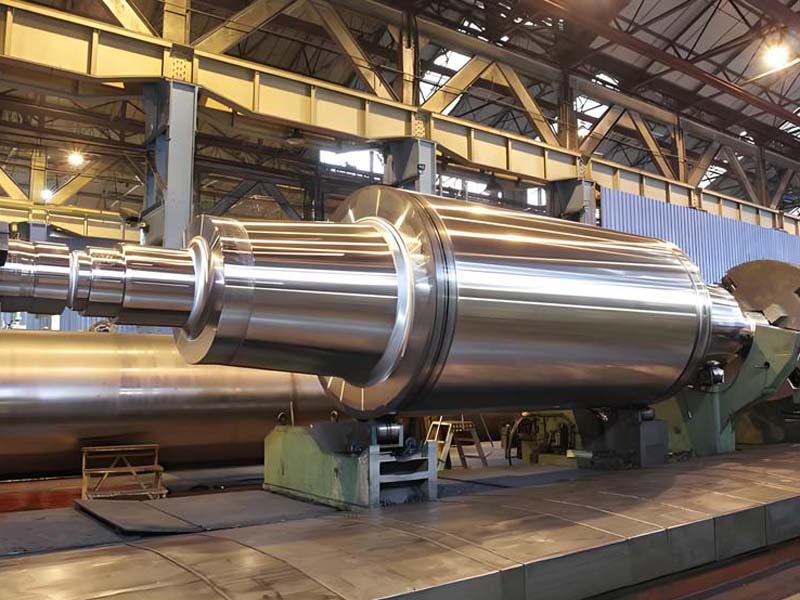
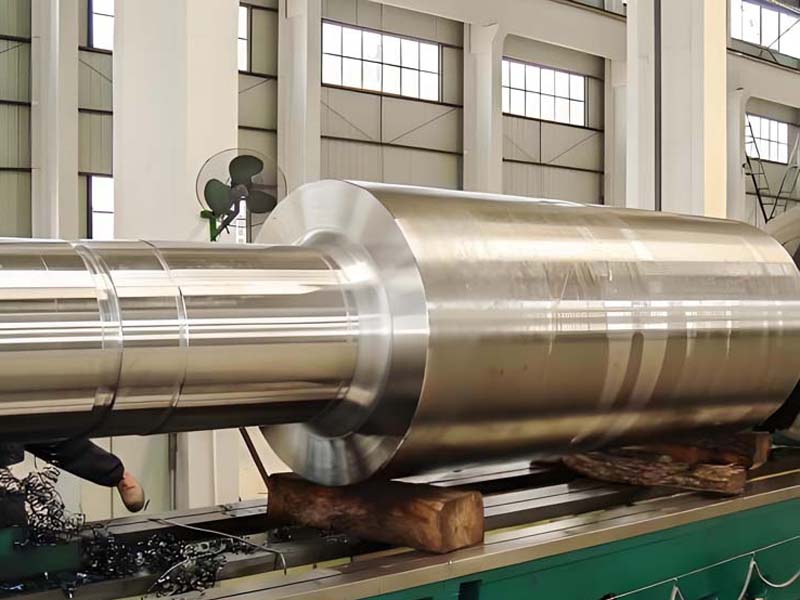
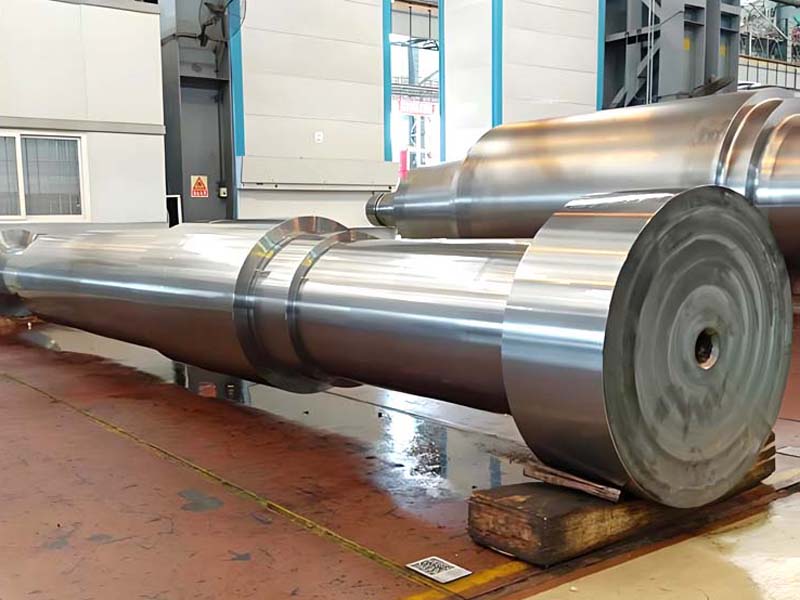
| Product name: | The Value of Forged Shafts in the Aerospace Field |
| Keywords: | The Value of Forged Shafts in the Aerospace Field |
| Industry: | Transportation - Aerospace industry |
| Process: | Forging - Free forging |
| Material: | Alloy steel |
Processing manufacturer
- There are 41 manufacturers that provide similar products
- There are 193 manufacturers that provide this processing technology
- There are 107 manufacturers that provide this material processing service
- There are 187 manufacturers that provide this industry processing service
Product details
Forged shafts are a core component of spacecraft power transmission, and their high strength and lightweight characteristics are crucial for key systems such as rocket engines and satellite attitude control. For example, turbopump bearings need to withstand extreme low temperatures (such as the liquid oxygen environment at -183°C) and high temperatures (1600°C on the surface of the return capsule). The forging process optimizes the metal fiber structure, significantly improving its fatigue resistance and corrosion resistance.
In rocket engines, forged shafts (such as turbine shafts and compressor disks) are integrally formed through processes such as multi-directional die forging, reducing the number of parts and weight, and improving thrust and fuel efficiency. Satellite solar panel bearings rely on precision forging (micron-level accuracy) to ensure stable deployment and signal transmission.
With the development of reusable rockets, forged shafts need to withstand more than 20 reuses, posing extremely high technical barriers. Domestic companies such as Sinomach Precision Industry (with a market share of over 90%) have broken through relevant technologies, promoting cost reduction and efficiency improvement in commercial aerospace. Forged shafts will continue to support the upgrading of spacecraft towards high reliability and long life.
Similar products
More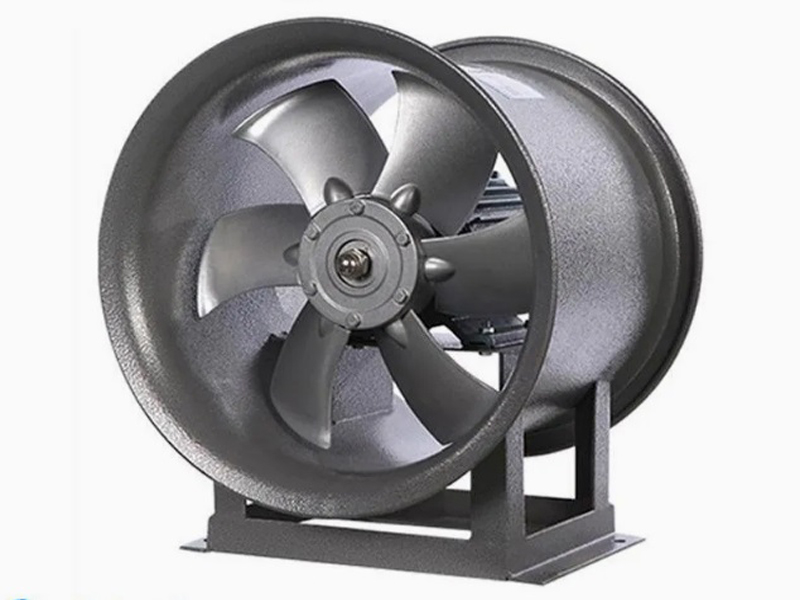
What are the machining processes used for processing axial fan housings
- Process : Sheet metal - Welding
- Material : Carbon steel
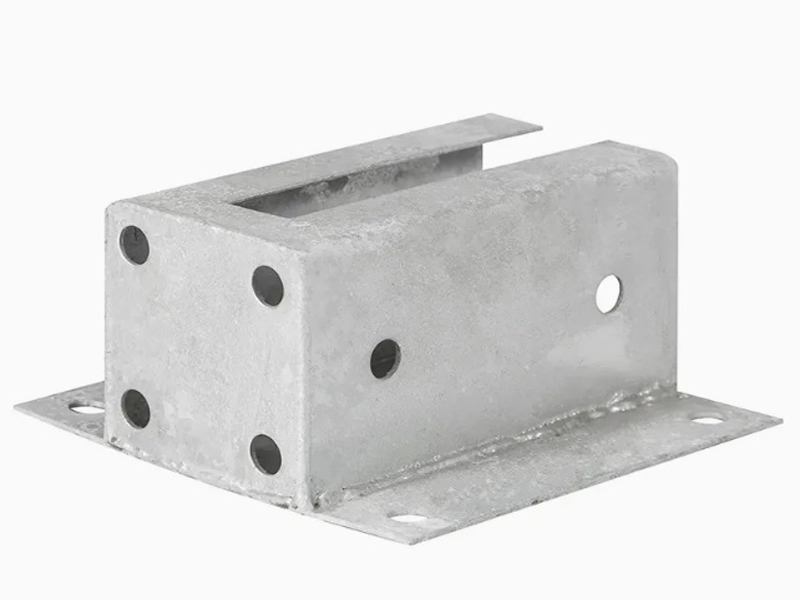
Machining Process Analysis of Carbon Steel Fixed Anchor Plates
- Process : Machining - CNC milling or milling machining
- Material : Carbon steel
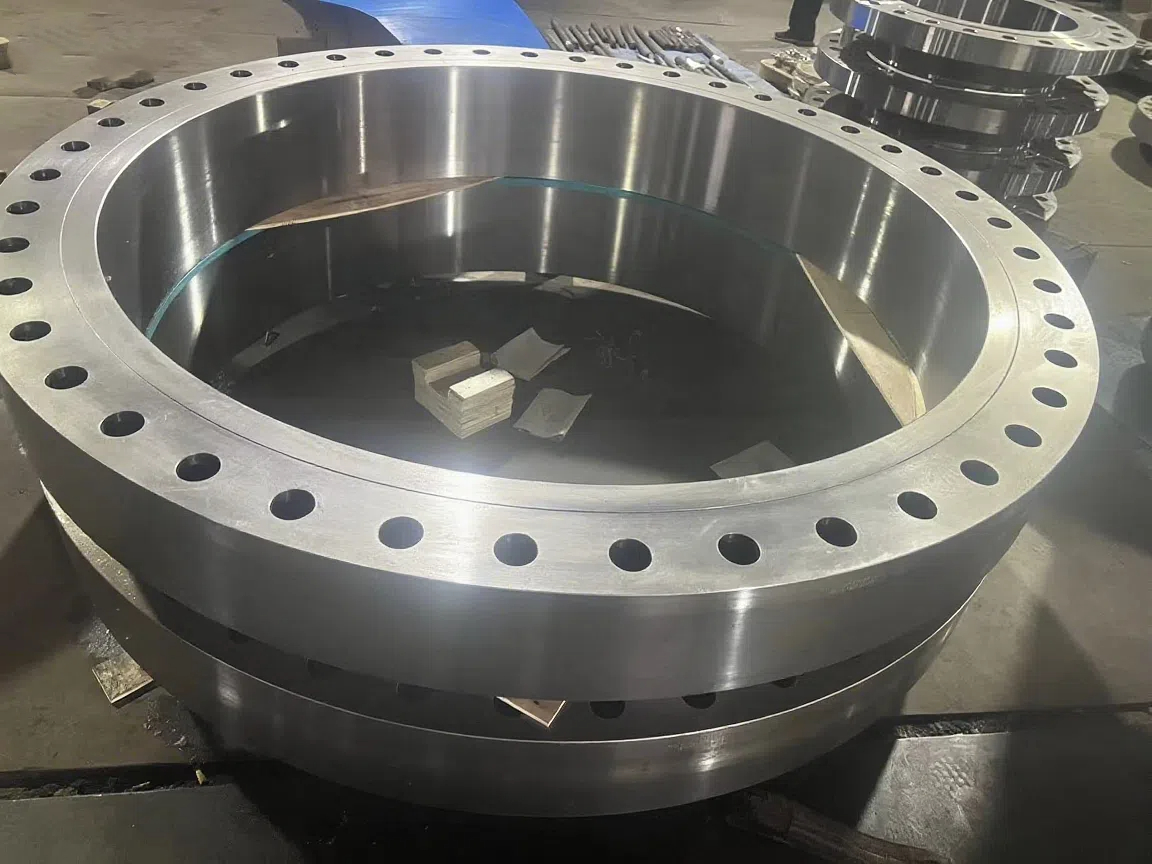
Heavy-Walled Flange Milling-Turning Machining and Flaw Detection
- Process : Machining - Turning Milling compound
- Material : Alloy steel
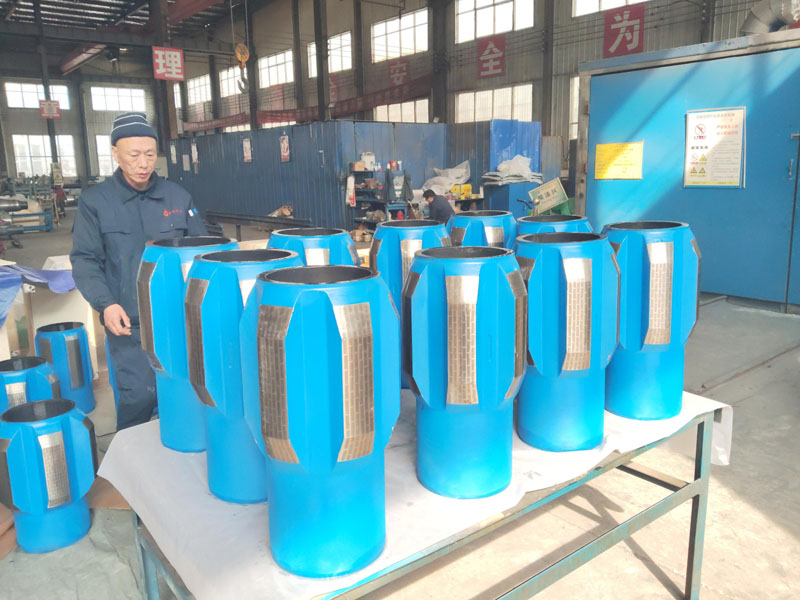
Drill Stabilizers Applied in Oil Drilling Platforms
- Process : Machining - Five-axis machining
- Material : Alloy steel
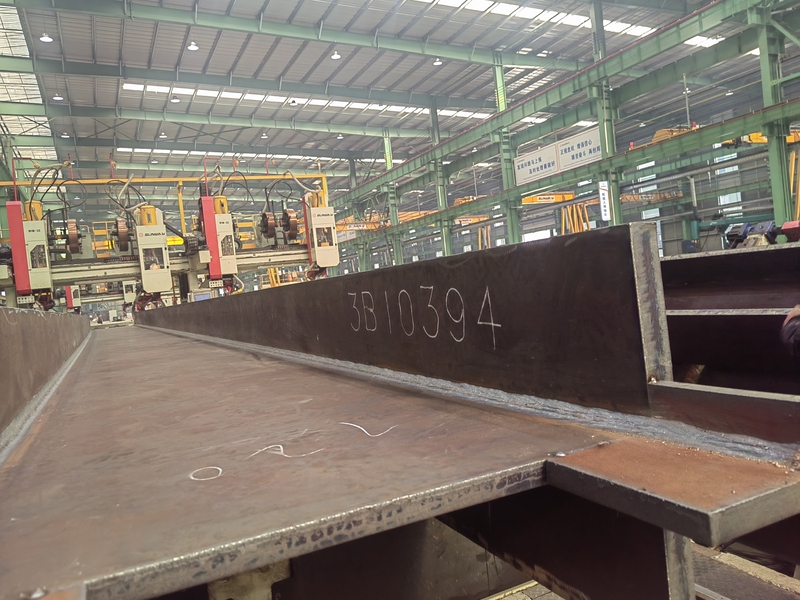
Custom Fabrication of S355JR Welded H-Beams for Construction Projects
- Process : Sheet metal - Welding
- Material : Carbon steel
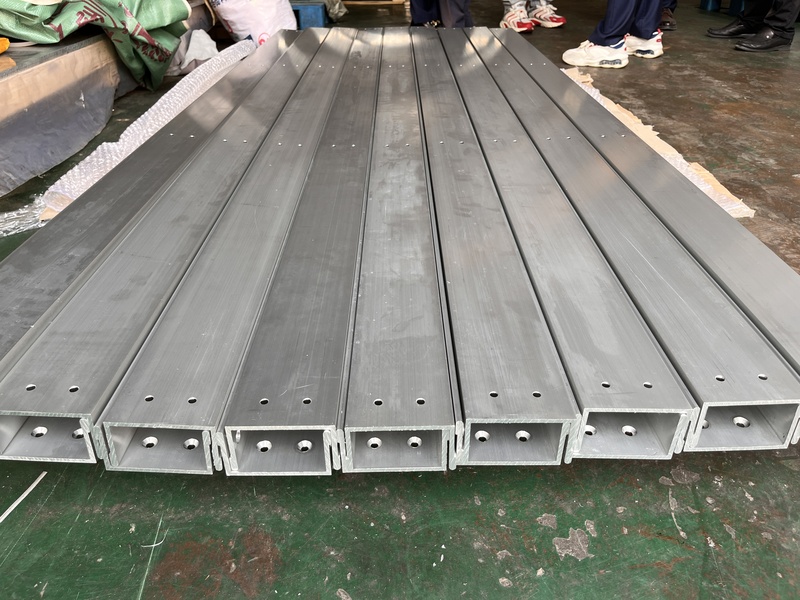
Precision Machining of U-Steel Profiles for Building Applications
- Process : Stamping - General stamping
- Material : Aluminum
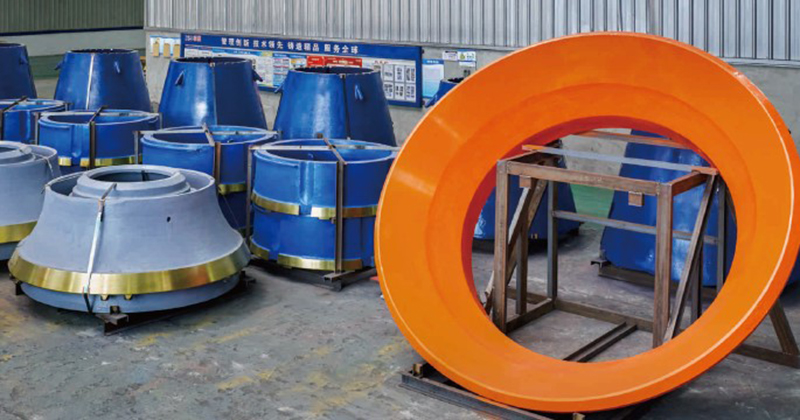
Cone Crusher Mantle
- Process : -
- Material :
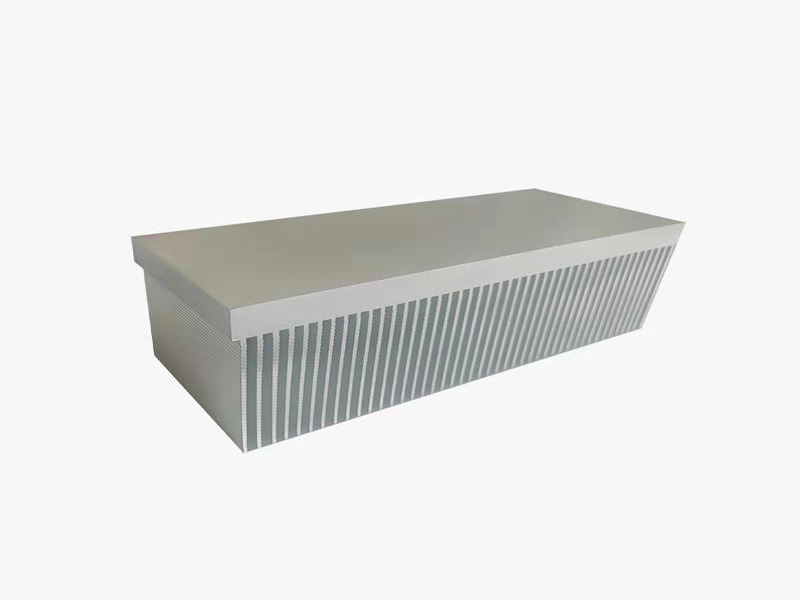
Innovative skiving technology: Breaking through the bottleneck of high-density heat dissipation technology
- Process : Surface treatment - Others
- Material : Alloy steel
More products
MoreWhat are the machining processes used for processing axial fan housings
- Process : Sheet metal - Welding
- Material : Carbon steel
Machining Process Analysis of Carbon Steel Fixed Anchor Plates
- Process : Machining - CNC milling or milling machining
- Material : Carbon steel
Heavy-Walled Flange Milling-Turning Machining and Flaw Detection
- Process : Machining - Turning Milling compound
- Material : Alloy steel
Drill Stabilizers Applied in Oil Drilling Platforms
- Process : Machining - Five-axis machining
- Material : Alloy steel
Custom Fabrication of S355JR Welded H-Beams for Construction Projects
- Process : Sheet metal - Welding
- Material : Carbon steel
Precision Machining of U-Steel Profiles for Building Applications
- Process : Stamping - General stamping
- Material : Aluminum
Cone Crusher Mantle
- Process : -
- Material :
Innovative skiving technology: Breaking through the bottleneck of high-density heat dissipation technology
- Process : Surface treatment - Others
- Material : Alloy steel