Key Temperature Control Points in Shaft Forging
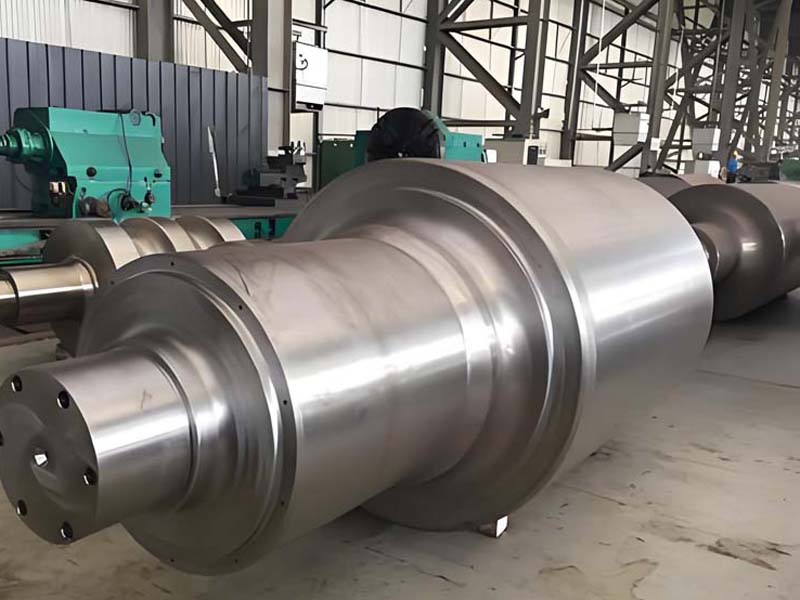
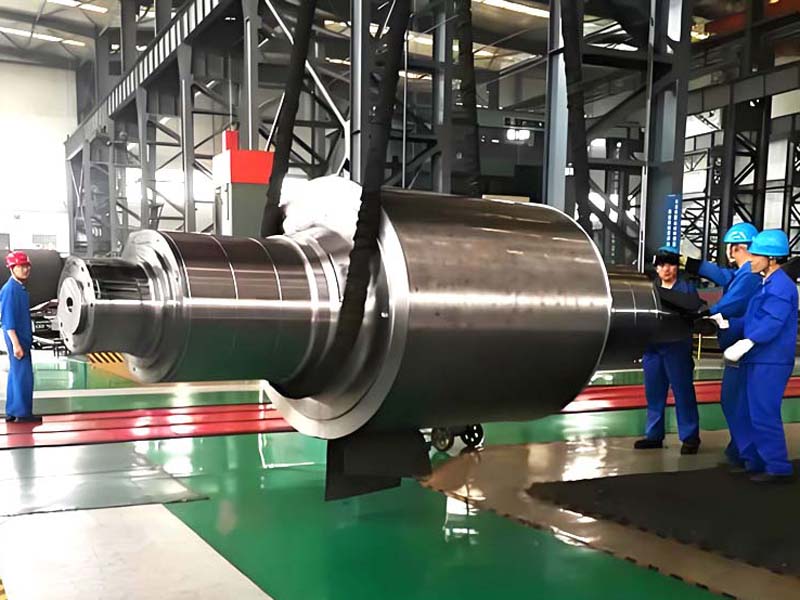
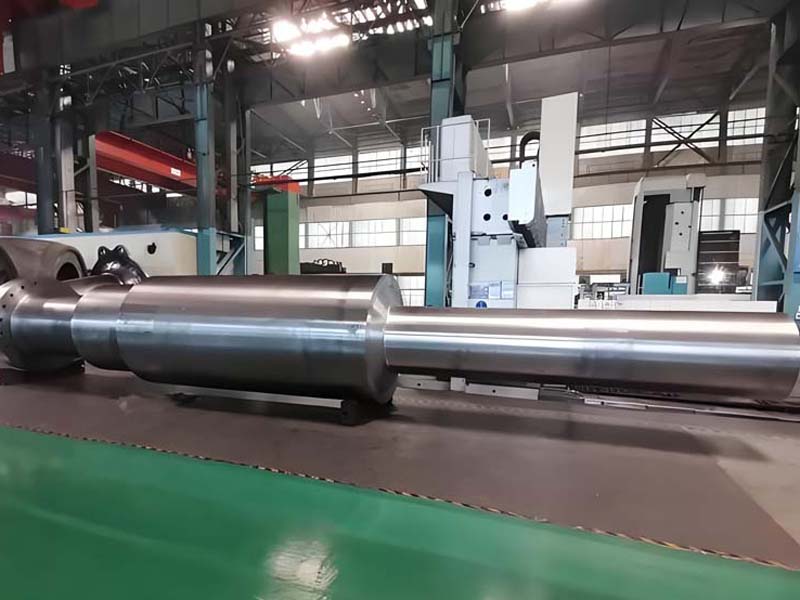
| Product name: | Key Temperature Control Points in Shaft Forging |
| Keywords: | Key Temperature Control Points in Shaft Forging |
| Industry: | Transportation - Aerospace industry |
| Process: | Forging - Die forging |
| Material: | Alloy steel |
Processing manufacturer
- There are 59 manufacturers that provide similar products
- There are 174 manufacturers that provide this processing technology
- There are 71 manufacturers that provide this material processing service
- There are 136 manufacturers that provide this industry processing service
Product details
Temperature control is the core of shaft forging, directly affecting material plasticity and forging quality. The initial forging temperature needs to be precisely set according to the material type, such as approximately 1100℃ for carbon steel and approximately 1150℃ for alloy steel, to ensure the material is in the optimal plastic state. The final forging temperature must avoid being too low (e.g., no lower than 800℃ for carbon steel), otherwise cracks or work hardening may occur.
The heating process needs to be controlled in stages: the preheating stage (room temperature ~ 800℃) requires slow heating to reduce thermal stress; the heating stage (800℃ ~ initial forging temperature) can be heated up quickly; the soaking stage requires holding the temperature to ensure uniform temperature and avoid structural defects. For example, wind turbine main shafts need to be heated above 1200℃ for more than 2 hours to ensure the material is thoroughly heated.
Forging operations require dynamic adjustment: start forging with light blows to avoid insufficient core temperature; use heavy blows in the middle stage to efficiently deform within the optimal plasticity range; finish forging with light blows to prevent low-temperature cracking. For example, half-shaft forging uses infrared temperature measurement + PLC automatic control, with small temperature errors to avoid overheating. Temperature control is the key to improving the performance of shaft forgings.
Similar products
More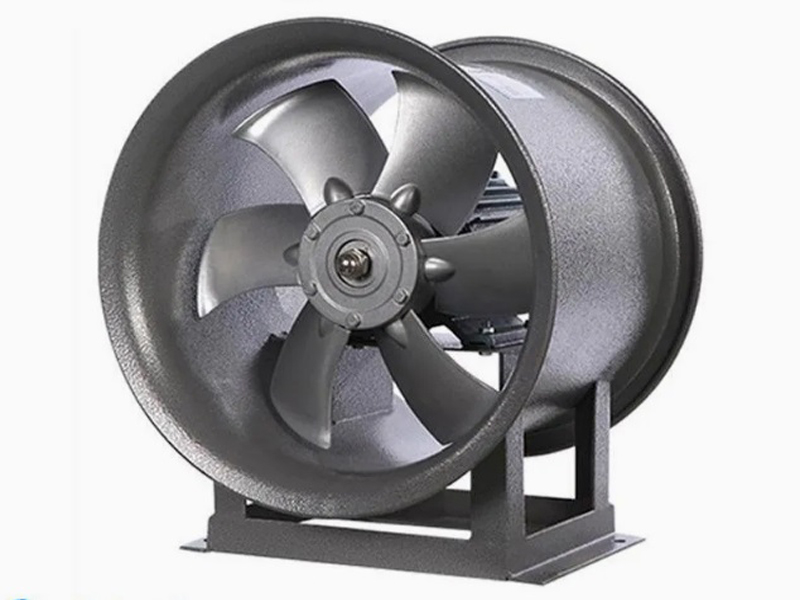
What are the machining processes used for processing axial fan housings
- Process : Sheet metal - Welding
- Material : Carbon steel
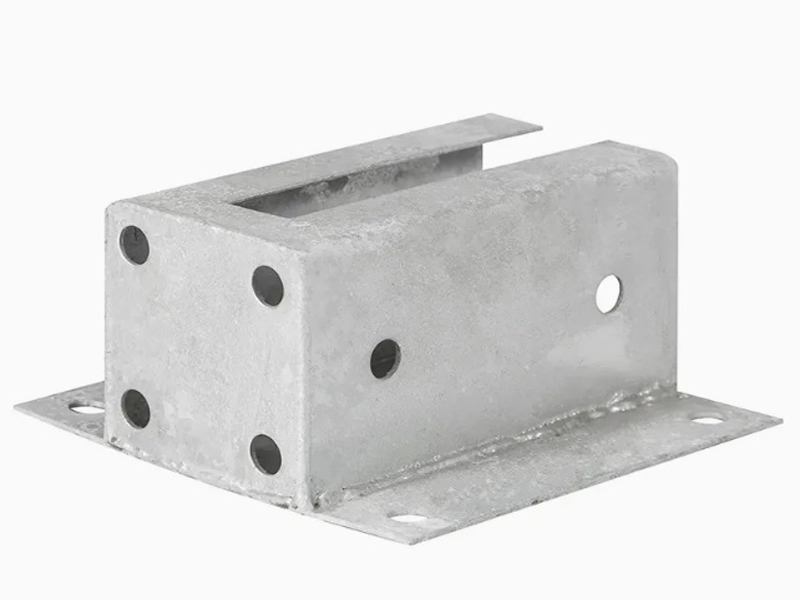
Machining Process Analysis of Carbon Steel Fixed Anchor Plates
- Process : Machining - CNC milling or milling machining
- Material : Carbon steel
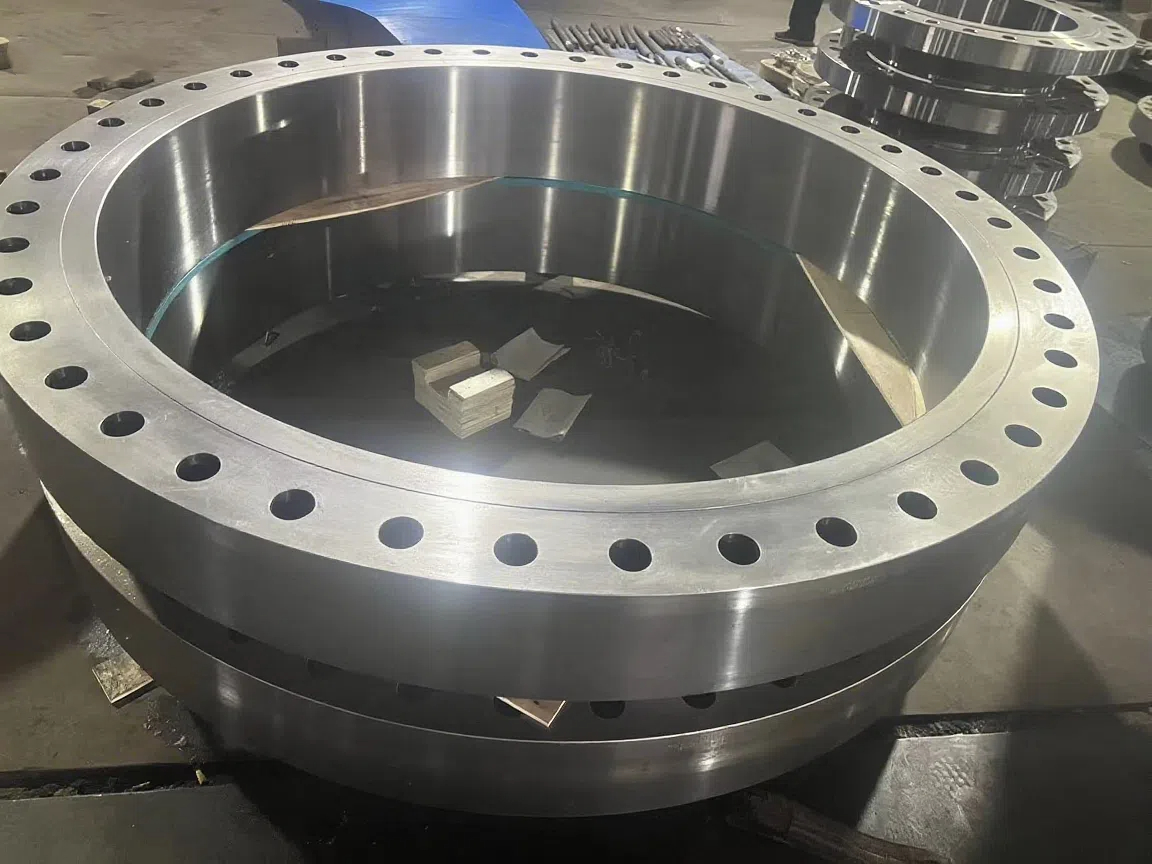
Heavy-Walled Flange Milling-Turning Machining and Flaw Detection
- Process : Machining - Turning Milling compound
- Material : Alloy steel
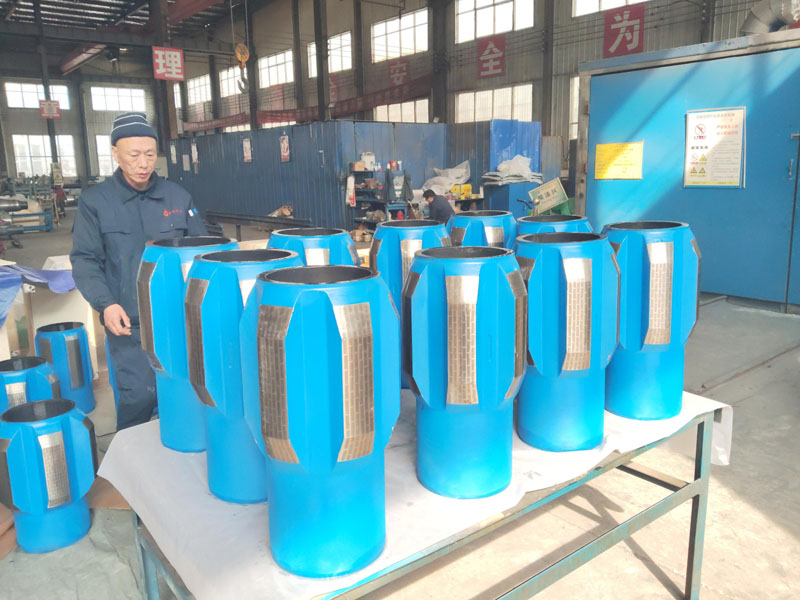
Drill Stabilizers Applied in Oil Drilling Platforms
- Process : Machining - Five-axis machining
- Material : Alloy steel
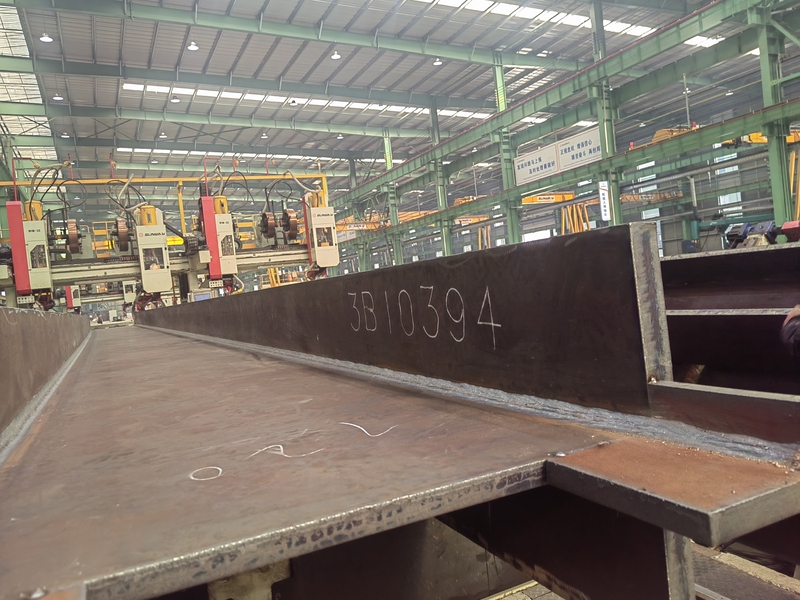
Custom Fabrication of S355JR Welded H-Beams for Construction Projects
- Process : Sheet metal - Welding
- Material : Carbon steel
Precision Machining of U-Steel Profiles for Building Applications
- Process : Stamping - General stamping
- Material : Aluminum
Cone Crusher Mantle
- Process : -
- Material :
Innovative skiving technology: Breaking through the bottleneck of high-density heat dissipation technology
- Process : Surface treatment - Others
- Material : Alloy steel
More products
MoreWhat are the machining processes used for processing axial fan housings
- Process : Sheet metal - Welding
- Material : Carbon steel
Machining Process Analysis of Carbon Steel Fixed Anchor Plates
- Process : Machining - CNC milling or milling machining
- Material : Carbon steel
Heavy-Walled Flange Milling-Turning Machining and Flaw Detection
- Process : Machining - Turning Milling compound
- Material : Alloy steel
Drill Stabilizers Applied in Oil Drilling Platforms
- Process : Machining - Five-axis machining
- Material : Alloy steel
Custom Fabrication of S355JR Welded H-Beams for Construction Projects
- Process : Sheet metal - Welding
- Material : Carbon steel
Precision Machining of U-Steel Profiles for Building Applications
- Process : Stamping - General stamping
- Material : Aluminum
Cone Crusher Mantle
- Process : -
- Material :
Innovative skiving technology: Breaking through the bottleneck of high-density heat dissipation technology
- Process : Surface treatment - Others
- Material : Alloy steel