Key Construction Technologies for Large-Span Tubular Trusses
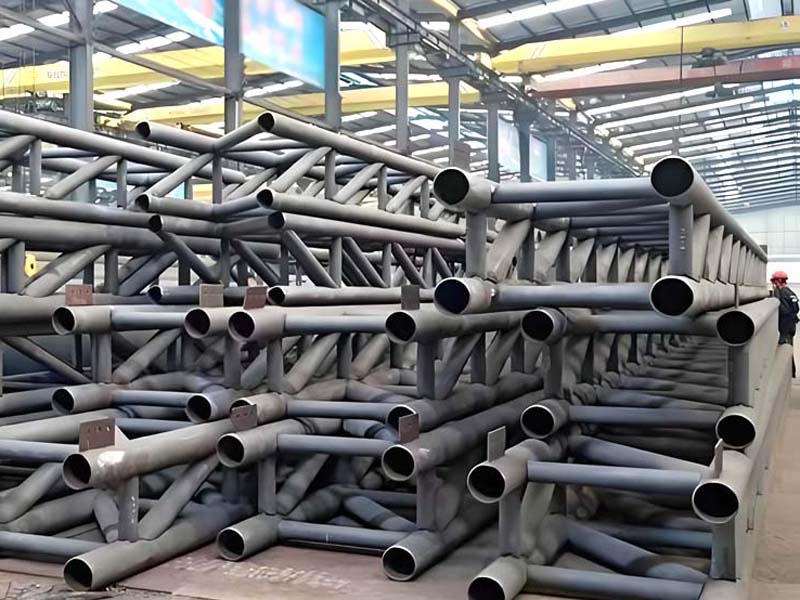
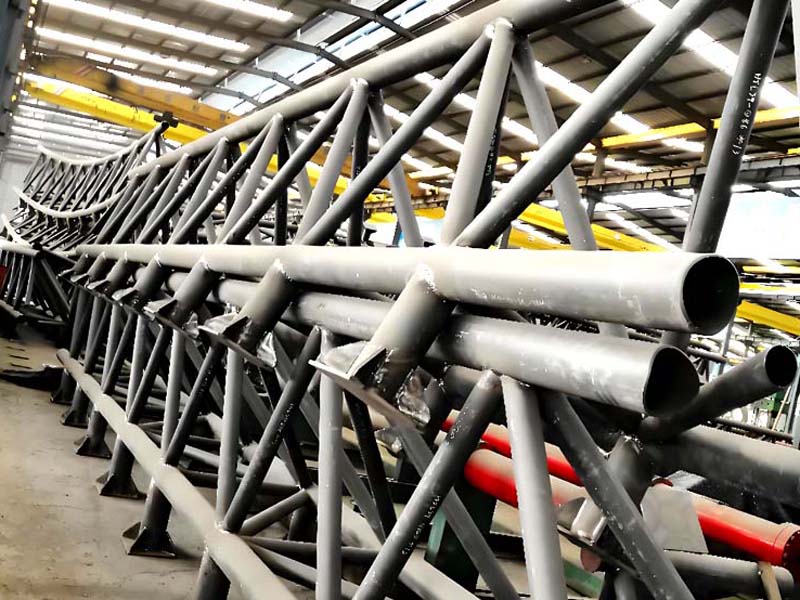
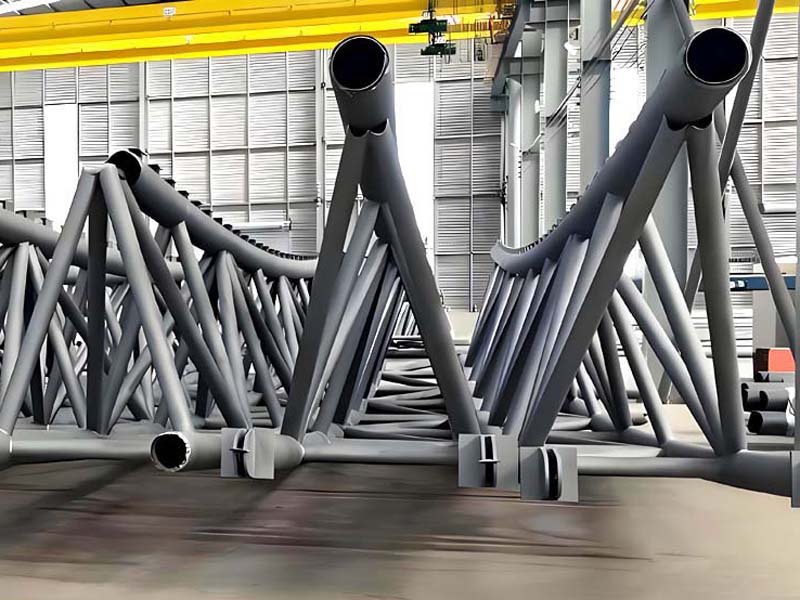
| Product name: | Key Construction Technologies for Large-Span Tubular Trusses |
| Keywords: | Key Construction Technologies for Large-Span Tubular Trusses |
| Industry: | Transportation - Rail transportation |
| Process: | Sheet metal - Welding |
| Material: | Carbon steel |
Processing manufacturer
- There are 33 manufacturers that provide similar products
- There are 126 manufacturers that provide this processing technology
- There are 113 manufacturers that provide this material processing service
- There are 110 manufacturers that provide this industry processing service
Product details
Key technologies for large-span tubular truss construction include segmented lifting and temporary support. For trusses with spans exceeding 30m, it is advisable to use ground assembly + multi-crane lifting (e.g., coordinated operation of 4 x 75t truck cranes), and set up lattice-type temporary supports to ensure the accuracy of segmented connections. The supports must be reliably welded to the embedded parts of the main structure. During prestressing construction, computer simulation should be used to simulate the tensioning sequence, controlling the synchronous tensioning of 21 steel strands, and using dual control technology (primarily tension, with elongation value verification) to ensure uniform stress distribution in 70m-span structures.
For node installation, full penetration intersection welds should be prioritized. When extending steel pipes, the longitudinal weld stagger distance should be ≥5 times the wall thickness and ≥200mm. Large-span structures (such as 48m auditorium trusses) should be divided into 4 lifting units, using a combination of 80t truck crane loose assembly + overall lifting process, and cambering (≤1/300 of the span) should be set to compensate for deflection. During concurrent construction, the progress of civil engineering, mechanical and electrical, and other disciplines should be coordinated, and a 0.5m safety clearance should be reserved to solve the problem of lifting in narrow spaces.
Similar products
More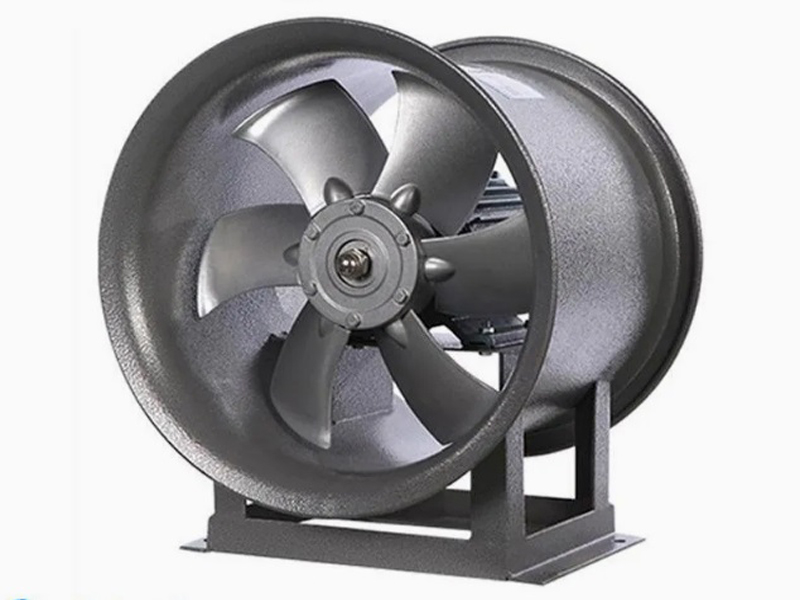
What are the machining processes used for processing axial fan housings
- Process : Sheet metal - Welding
- Material : Carbon steel
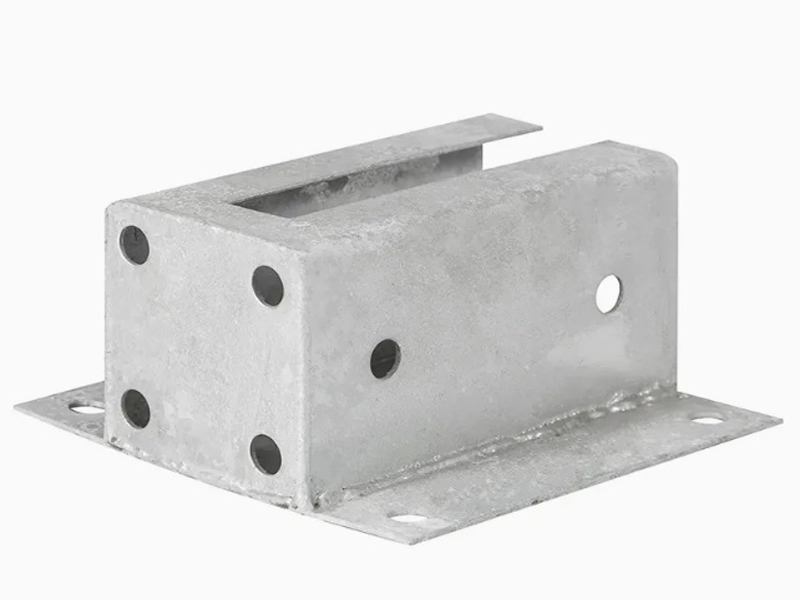
Machining Process Analysis of Carbon Steel Fixed Anchor Plates
- Process : Machining - CNC milling or milling machining
- Material : Carbon steel
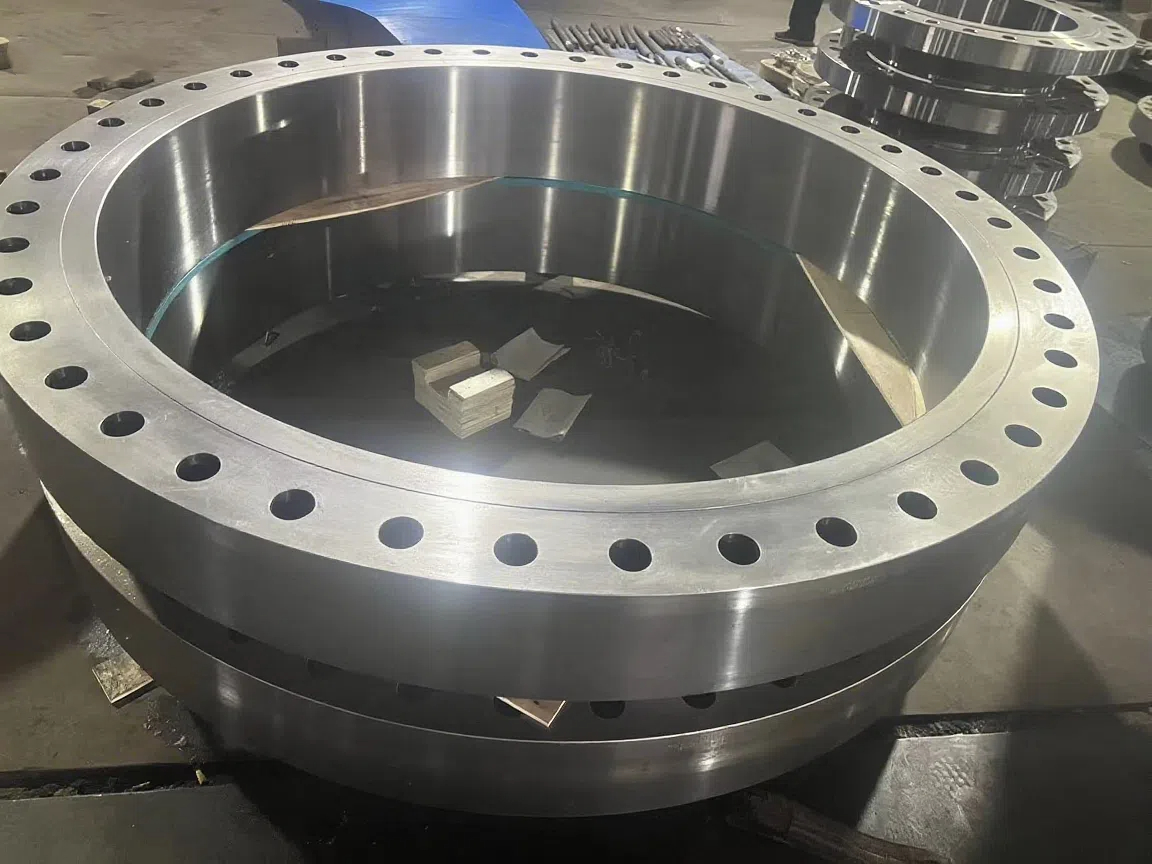
Heavy-Walled Flange Milling-Turning Machining and Flaw Detection
- Process : Machining - Turning Milling compound
- Material : Alloy steel
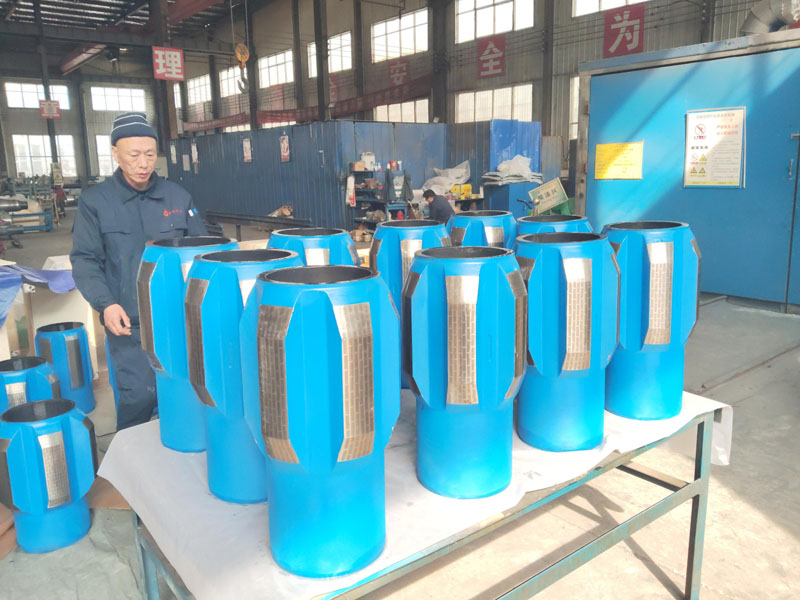
Drill Stabilizers Applied in Oil Drilling Platforms
- Process : Machining - Five-axis machining
- Material : Alloy steel
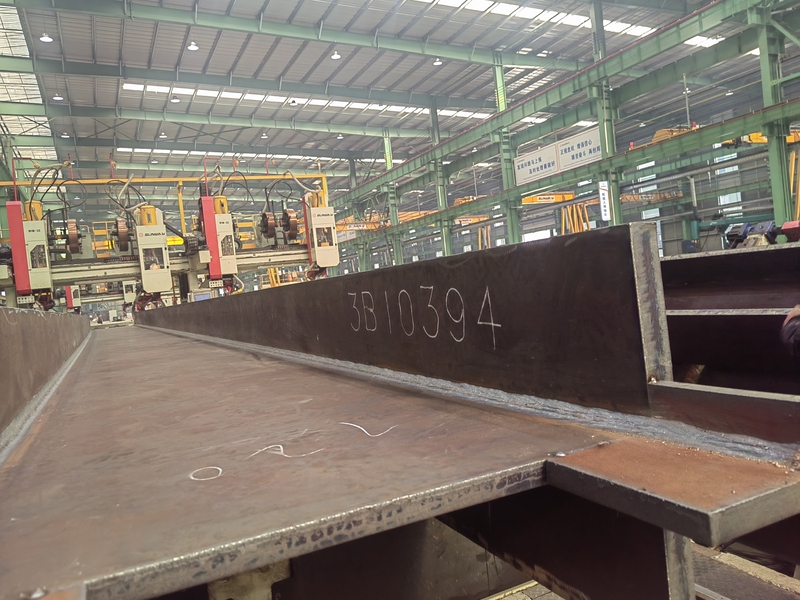
Custom Fabrication of S355JR Welded H-Beams for Construction Projects
- Process : Sheet metal - Welding
- Material : Carbon steel
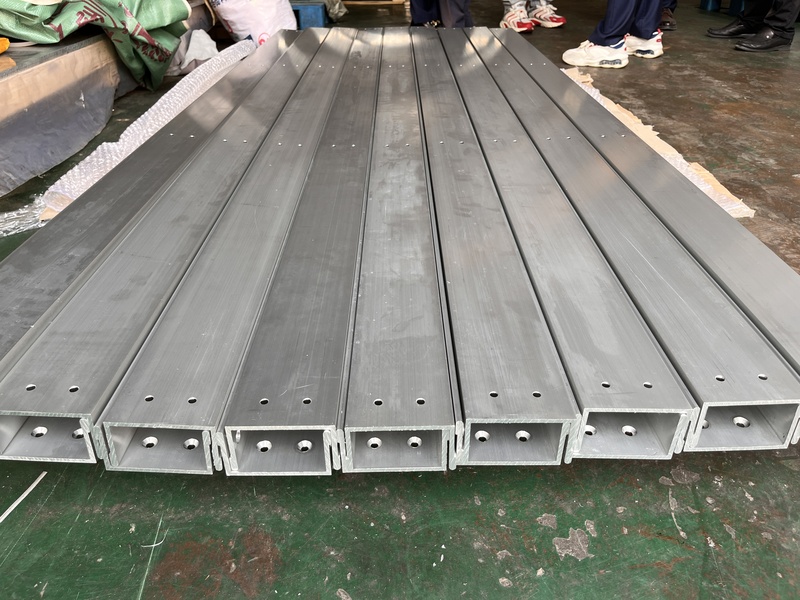
Precision Machining of U-Steel Profiles for Building Applications
- Process : Stamping - General stamping
- Material : Aluminum
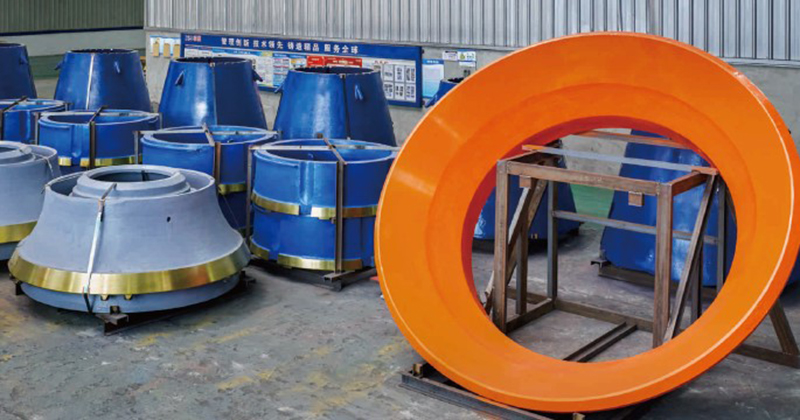
Cone Crusher Mantle
- Process : -
- Material :
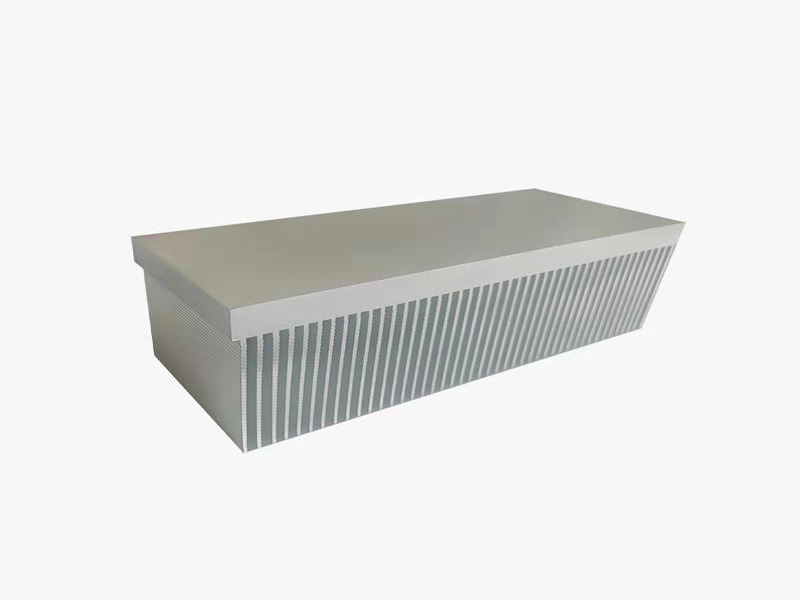
Innovative skiving technology: Breaking through the bottleneck of high-density heat dissipation technology
- Process : Surface treatment - Others
- Material : Alloy steel
More products
MoreWhat are the machining processes used for processing axial fan housings
- Process : Sheet metal - Welding
- Material : Carbon steel
Machining Process Analysis of Carbon Steel Fixed Anchor Plates
- Process : Machining - CNC milling or milling machining
- Material : Carbon steel
Heavy-Walled Flange Milling-Turning Machining and Flaw Detection
- Process : Machining - Turning Milling compound
- Material : Alloy steel
Drill Stabilizers Applied in Oil Drilling Platforms
- Process : Machining - Five-axis machining
- Material : Alloy steel
Custom Fabrication of S355JR Welded H-Beams for Construction Projects
- Process : Sheet metal - Welding
- Material : Carbon steel
Precision Machining of U-Steel Profiles for Building Applications
- Process : Stamping - General stamping
- Material : Aluminum
Cone Crusher Mantle
- Process : -
- Material :
Innovative skiving technology: Breaking through the bottleneck of high-density heat dissipation technology
- Process : Surface treatment - Others
- Material : Alloy steel