Analysis of Design Code for Steel Tubular Truss Structures
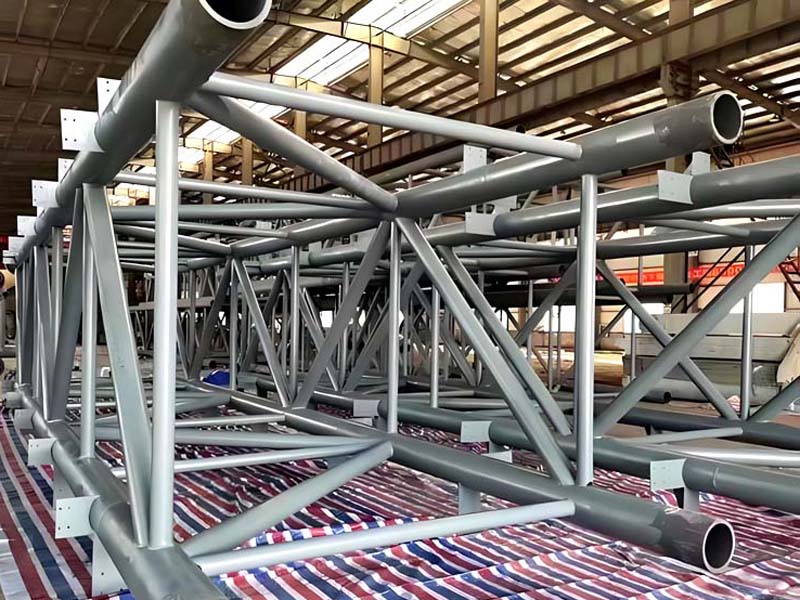
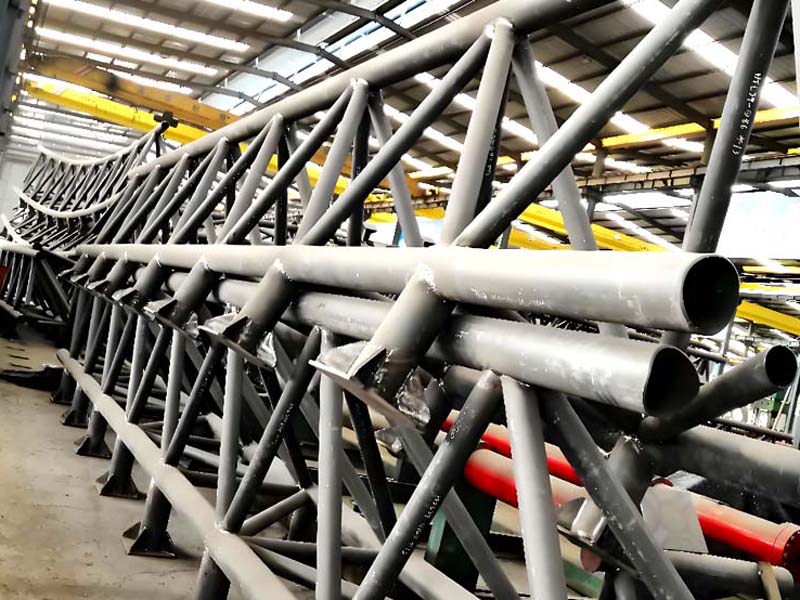
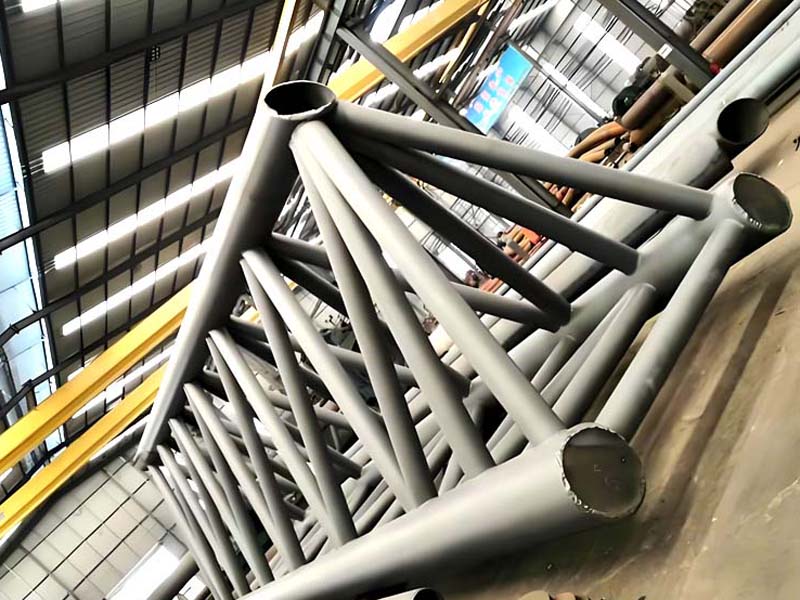
| Product name: | Analysis of Design Code for Steel Tubular Truss Structures |
| Keywords: | Analysis of Design Code for Steel Tubular Truss Structures |
| Industry: | Transportation - Rail transportation |
| Process: | Sheet metal - Welding |
| Material: | Carbon steel |
Processing manufacturer
- There are 44 manufacturers that provide similar products
- There are 186 manufacturers that provide this processing technology
- There are 60 manufacturers that provide this material processing service
- There are 173 manufacturers that provide this industry processing service
Product details
The design of steel tubular truss structures must comply with GB 50017-2017 Standard for Design of Steel Structures. Its core requirements include: width-to-thickness ratio limits for member sections (outer diameter to wall thickness ratio of circular tubes ≤ 100(235/fy)), node connection forms (intersection welding requires a ratio of bay length to section height ≥ 12), and load combination principles (internal force calculation under dead load, live load, wind load, and seismic action). The standard particularly emphasizes stability design, introduces the direct analysis method to optimize structural safety and economy, and specifies deflection limits (short span 1/250, cantilever 1/125).
During design, attention should be paid to the coordinated analysis of spatial trusses and lower support structures. Node welds should meet the requirements of full penetration and equal strength butt joints, and when steel pipes are lengthened, the longitudinal weld seams should be staggered by a distance ≥ 5 times the wall thickness and ≥ 200mm. For large-span structures (≥ 30m), cambering (≤ span 1/300) can be considered to improve the appearance. The standard also clarifies that seismic design must use the design intensity earthquake verification method and divides section types S1-S5 to guide the design of plastic energy dissipation zones.
Similar products
More
What are the machining processes used for processing axial fan housings
- Process : Sheet metal - Welding
- Material : Carbon steel
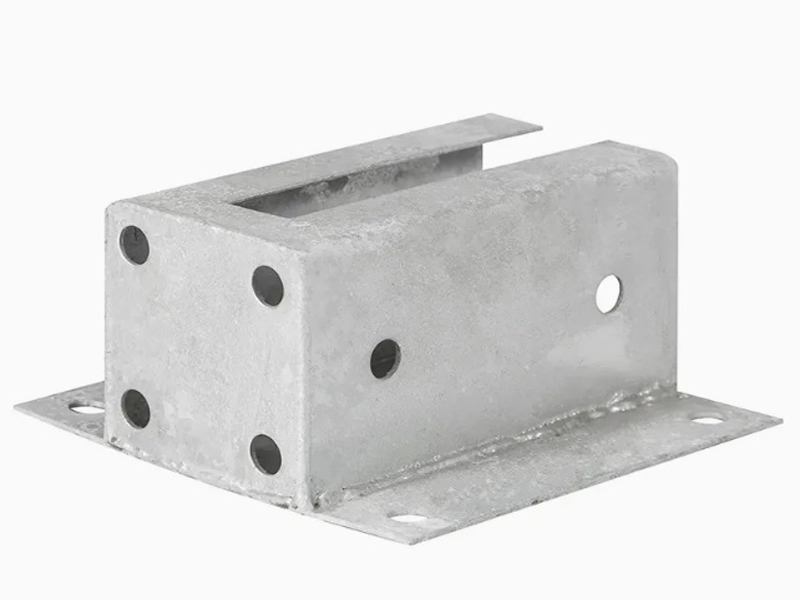
Machining Process Analysis of Carbon Steel Fixed Anchor Plates
- Process : Machining - CNC milling or milling machining
- Material : Carbon steel
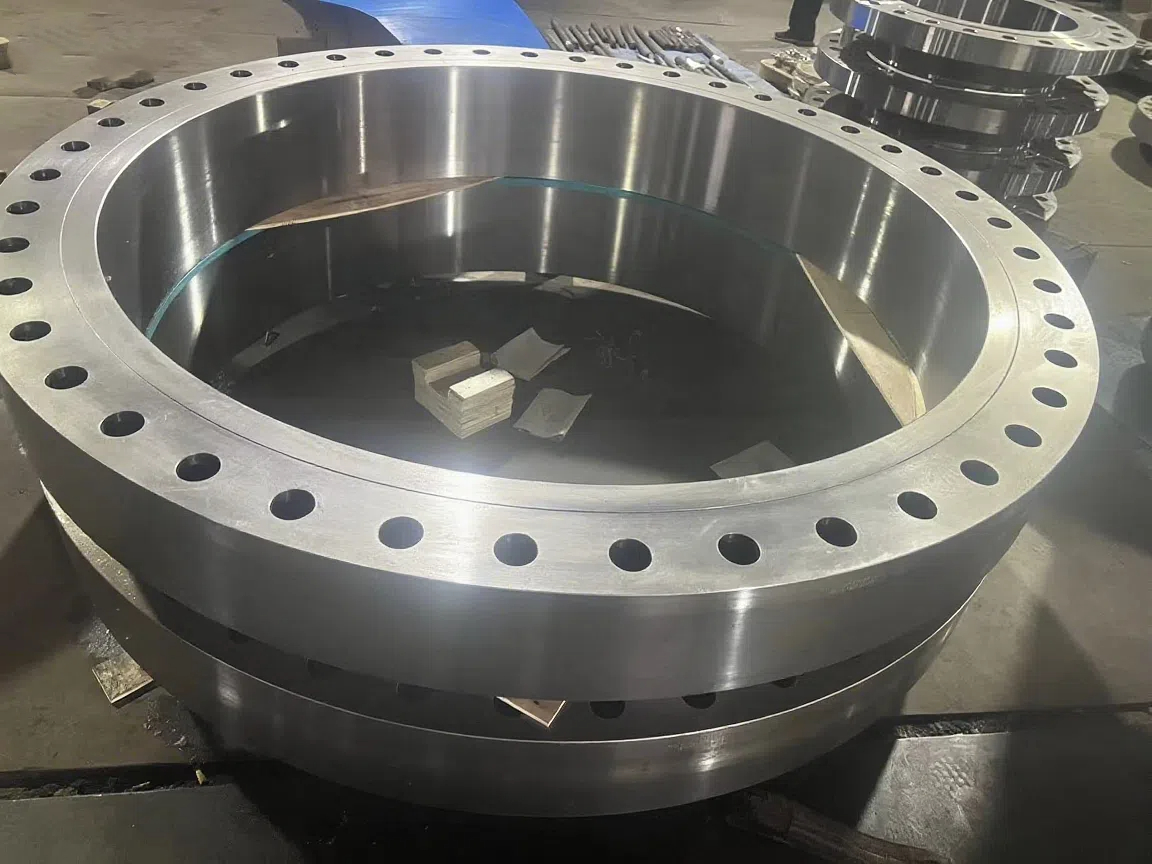
Heavy-Walled Flange Milling-Turning Machining and Flaw Detection
- Process : Machining - Turning Milling compound
- Material : Alloy steel
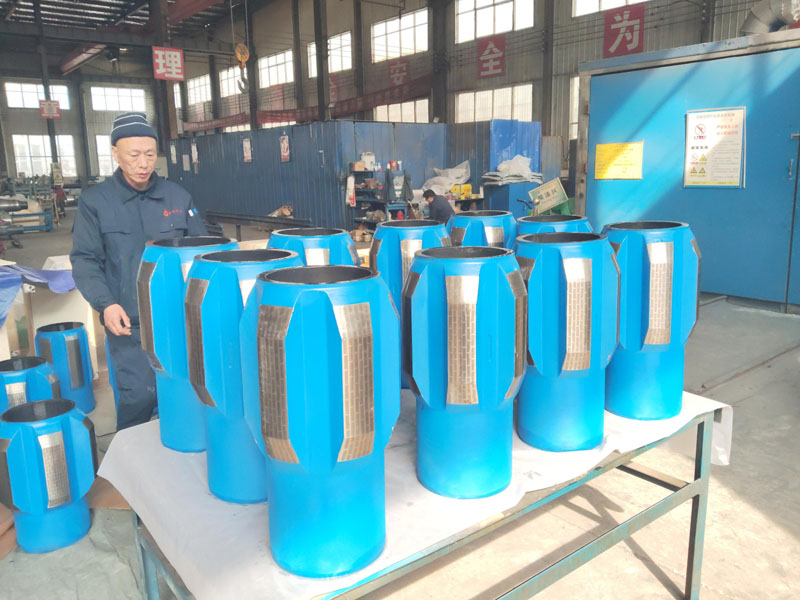
Drill Stabilizers Applied in Oil Drilling Platforms
- Process : Machining - Five-axis machining
- Material : Alloy steel
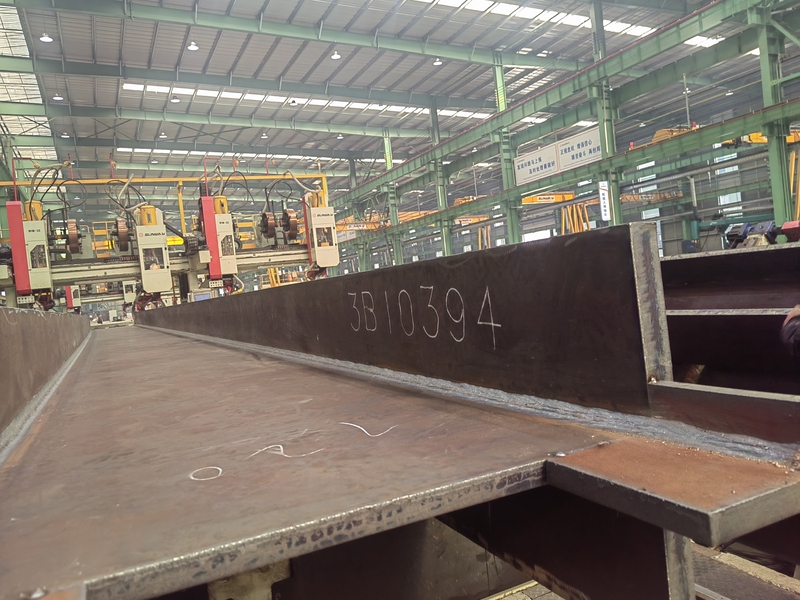
Custom Fabrication of S355JR Welded H-Beams for Construction Projects
- Process : Sheet metal - Welding
- Material : Carbon steel
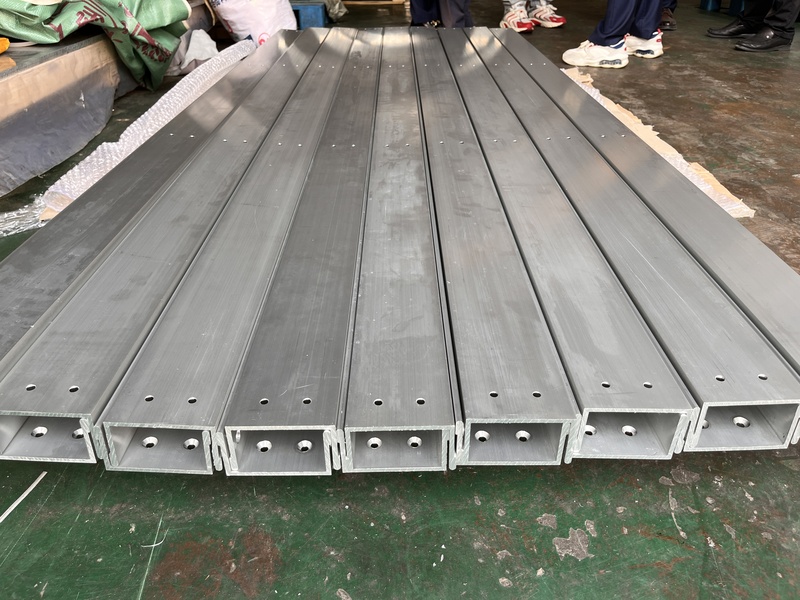
Precision Machining of U-Steel Profiles for Building Applications
- Process : Stamping - General stamping
- Material : Aluminum
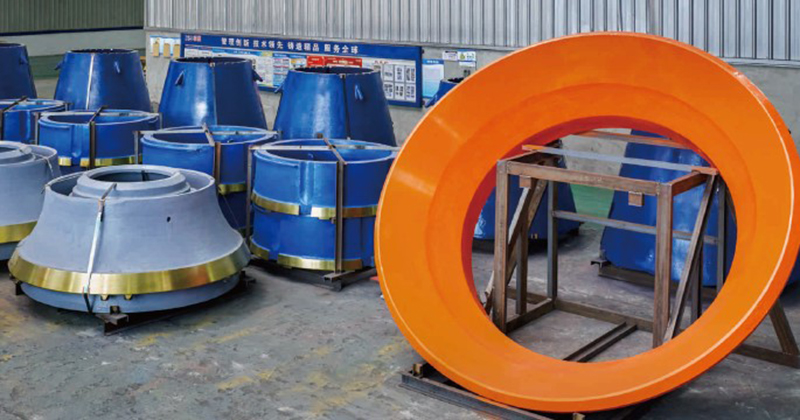
Cone Crusher Mantle
- Process : -
- Material :
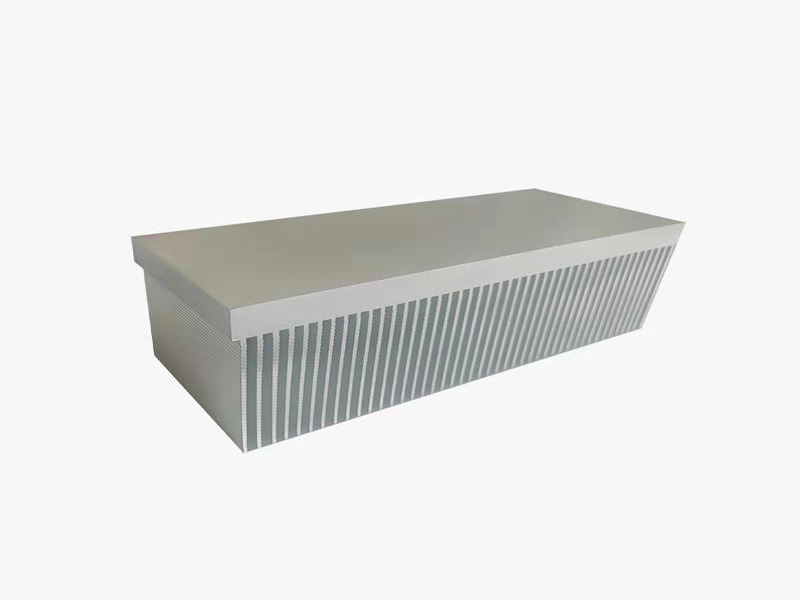
Innovative skiving technology: Breaking through the bottleneck of high-density heat dissipation technology
- Process : Surface treatment - Others
- Material : Alloy steel
More products
MoreWhat are the machining processes used for processing axial fan housings
- Process : Sheet metal - Welding
- Material : Carbon steel
Machining Process Analysis of Carbon Steel Fixed Anchor Plates
- Process : Machining - CNC milling or milling machining
- Material : Carbon steel
Heavy-Walled Flange Milling-Turning Machining and Flaw Detection
- Process : Machining - Turning Milling compound
- Material : Alloy steel
Drill Stabilizers Applied in Oil Drilling Platforms
- Process : Machining - Five-axis machining
- Material : Alloy steel
Custom Fabrication of S355JR Welded H-Beams for Construction Projects
- Process : Sheet metal - Welding
- Material : Carbon steel
Precision Machining of U-Steel Profiles for Building Applications
- Process : Stamping - General stamping
- Material : Aluminum
Cone Crusher Mantle
- Process : -
- Material :
Innovative skiving technology: Breaking through the bottleneck of high-density heat dissipation technology
- Process : Surface treatment - Others
- Material : Alloy steel