Forged Shafts: The Link Connecting Power
| Product name: | Forged Shafts: The Link Connecting Power |
| Keywords: | Forged Shafts: The Link Connecting Power |
| Industry: | Transportation - Aerospace industry |
| Process: | Forging - Free forging |
| Material: | Aluminum |
Processing manufacturer
- There are 35 manufacturers that provide similar products
- There are 184 manufacturers that provide this processing technology
- There are 94 manufacturers that provide this material processing service
- There are 199 manufacturers that provide this industry processing service
Product details
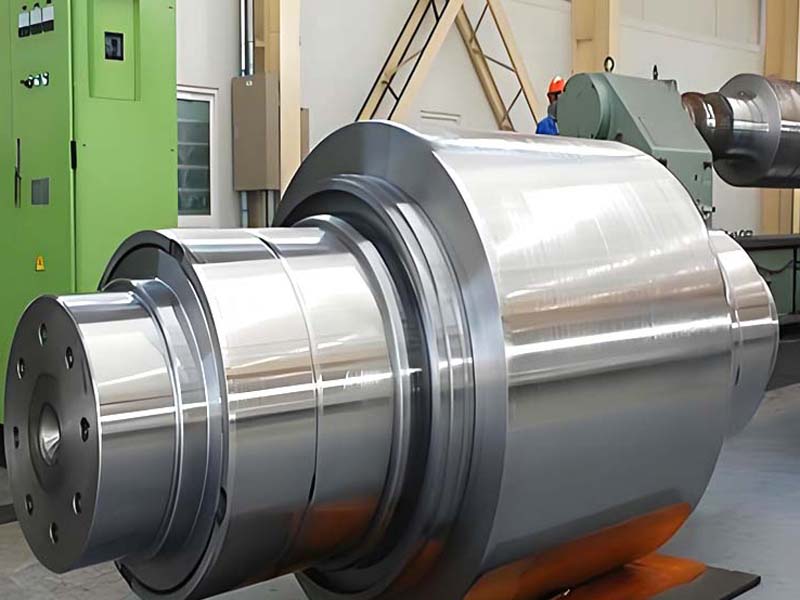
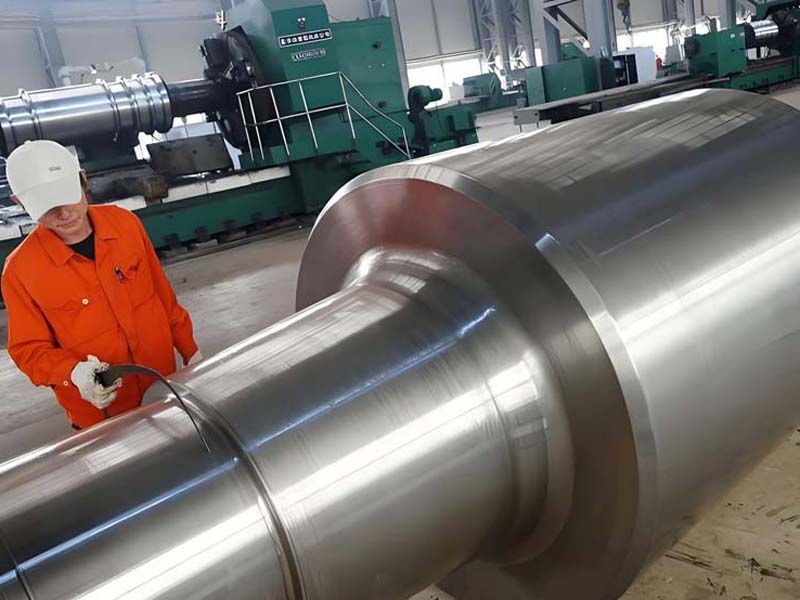
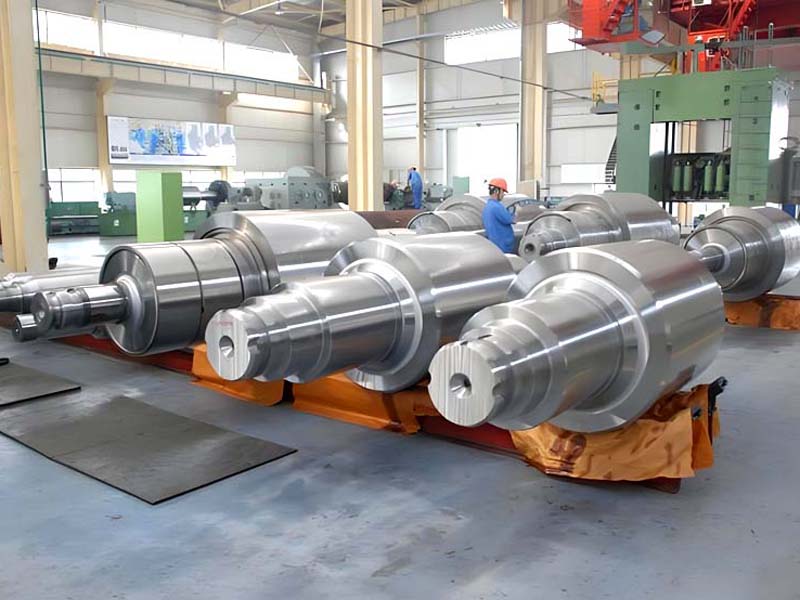
Forged shafts are core components in mechanical systems for transmitting motion and power. They efficiently transfer power from the driving end to the working end through axial rotation, while providing stable support for rotating parts such as gears and pulleys, ensuring reliable system operation. Their high-strength characteristics allow them to withstand heavy loads and impacts, making them widely used in critical parts such as machine tool spindles, drive shafts, and crankshafts.
The forging process refines grain structure and compresses defects, significantly improving the mechanical properties of the shaft, enabling it to perform excellently under complex operating conditions. For example, when a car crankshaft is manufactured using forging, it combines high strength, high rigidity, and lightweight properties, meeting the demands for engine efficiency, quietness, and low fuel consumption.
With the development of advanced technologies such as multi-directional forging, forged shafts are achieving more precise and efficient manufacturing, further promoting the performance improvement of high-end equipment. As the link connecting power, they will continue to support the upgrading of industrial equipment towards higher precision and higher reliability.
Similar products
More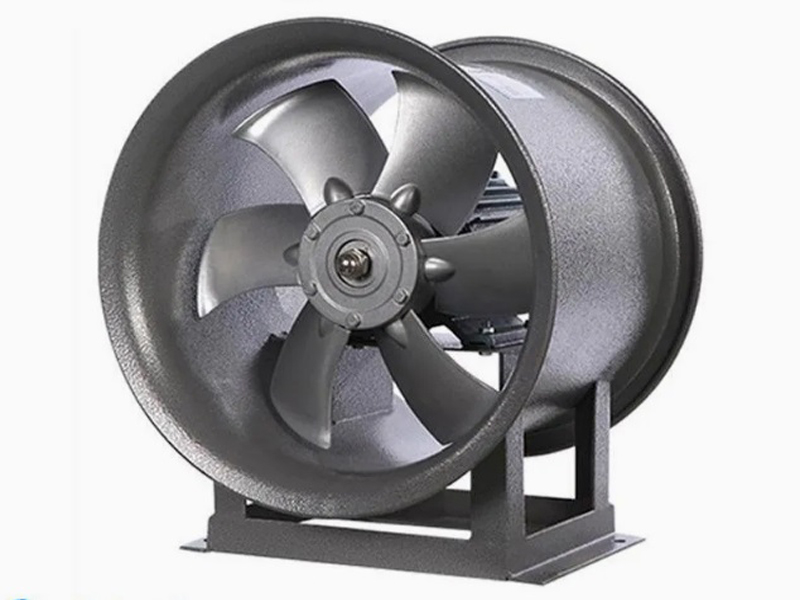
What are the machining processes used for processing axial fan housings
- Process : Sheet metal - Welding
- Material : Carbon steel
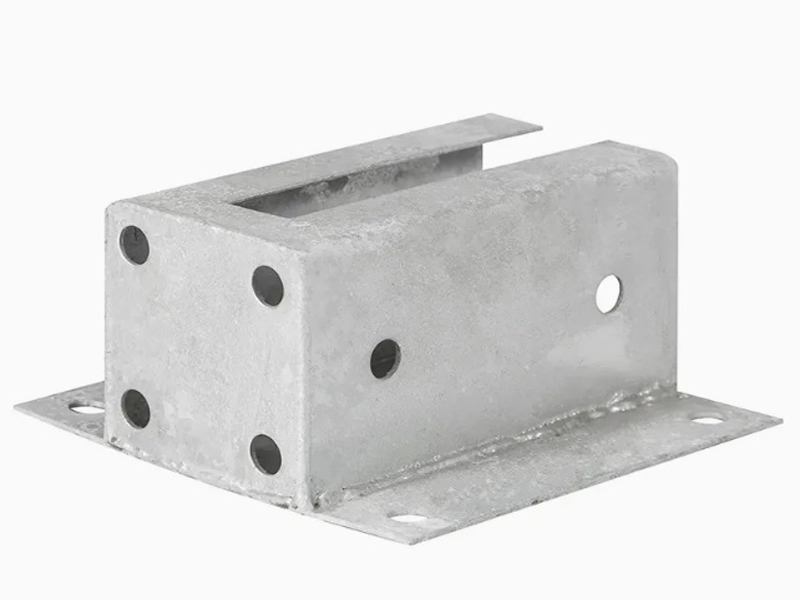
Machining Process Analysis of Carbon Steel Fixed Anchor Plates
- Process : Machining - CNC milling or milling machining
- Material : Carbon steel
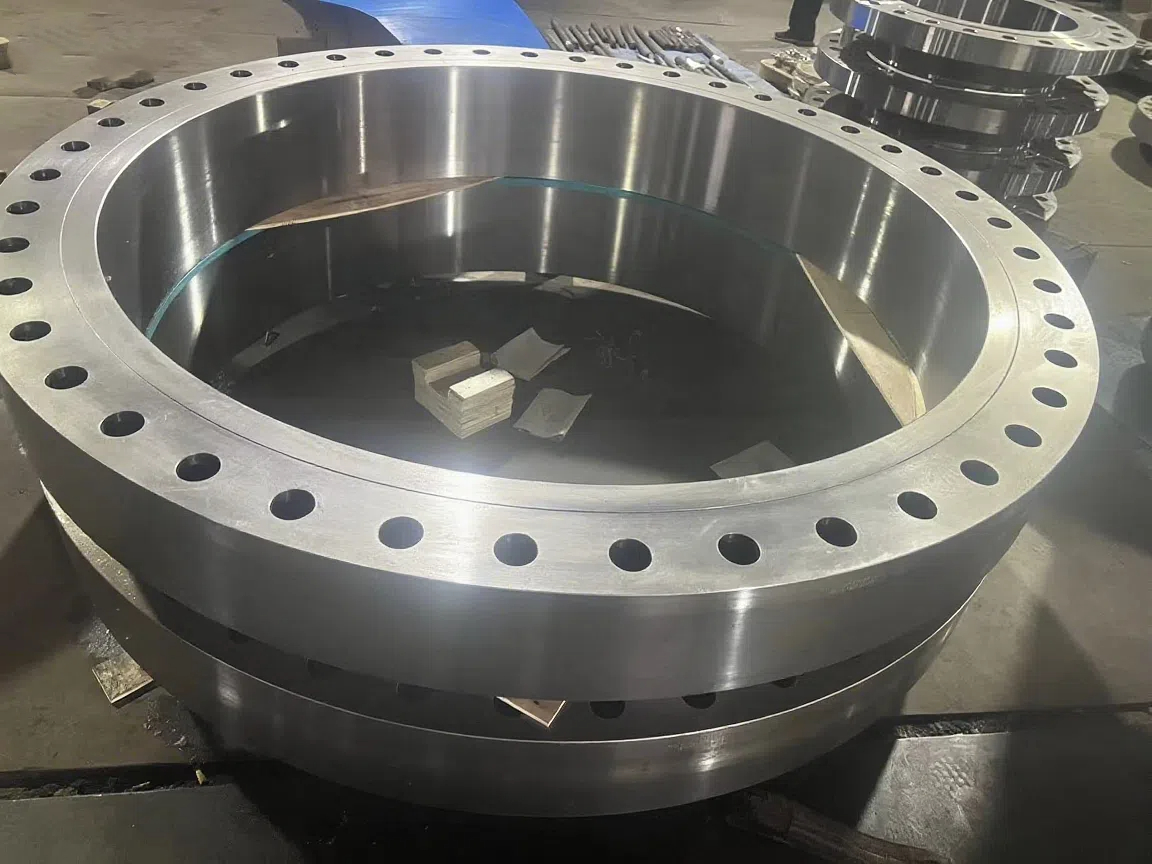
Heavy-Walled Flange Milling-Turning Machining and Flaw Detection
- Process : Machining - Turning Milling compound
- Material : Alloy steel
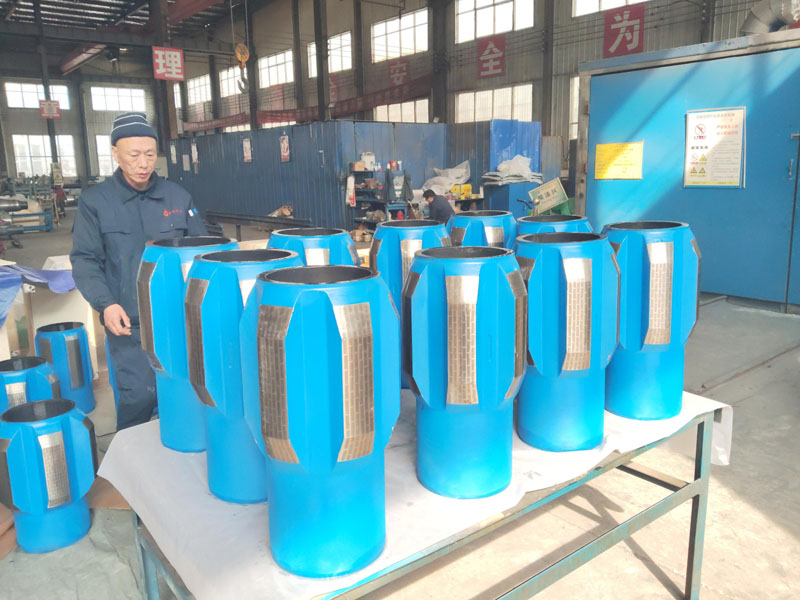
Drill Stabilizers Applied in Oil Drilling Platforms
- Process : Machining - Five-axis machining
- Material : Alloy steel
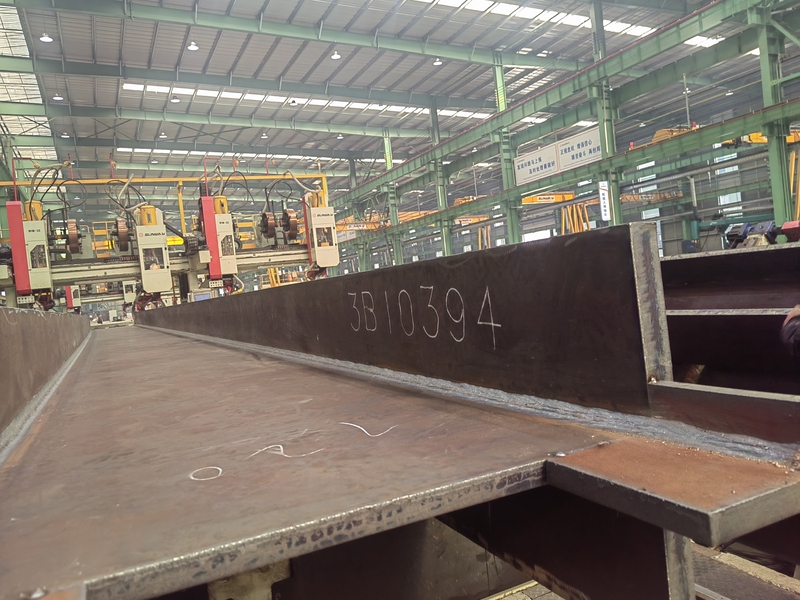
Custom Fabrication of S355JR Welded H-Beams for Construction Projects
- Process : Sheet metal - Welding
- Material : Carbon steel
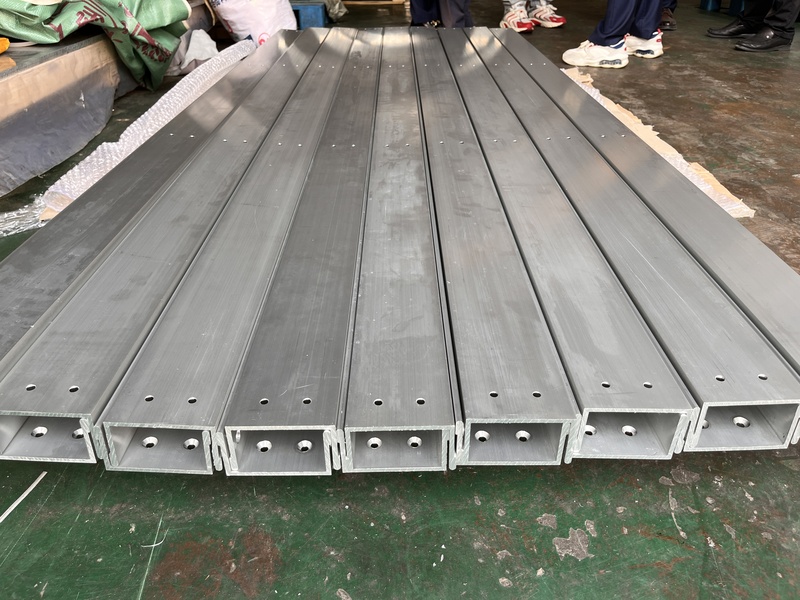
Precision Machining of U-Steel Profiles for Building Applications
- Process : Stamping - General stamping
- Material : Aluminum
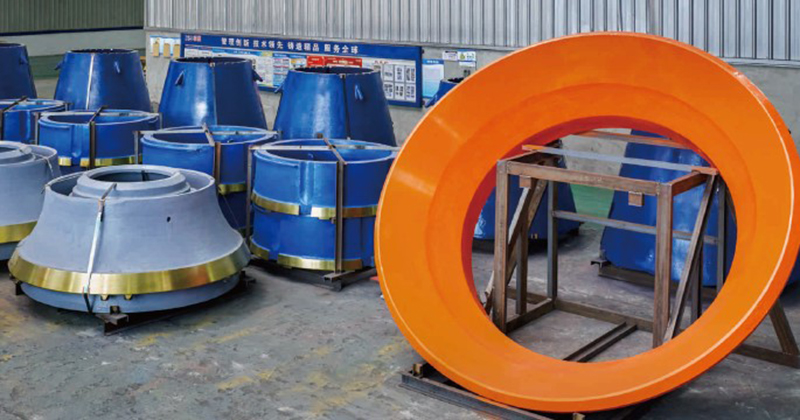
Cone Crusher Mantle
- Process : -
- Material :
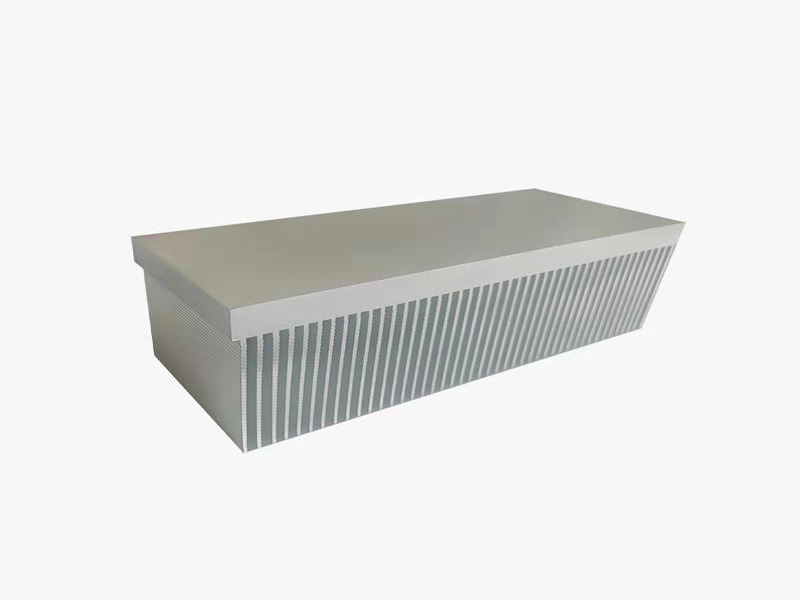
Innovative skiving technology: Breaking through the bottleneck of high-density heat dissipation technology
- Process : Surface treatment - Others
- Material : Alloy steel
More products
MoreWhat are the machining processes used for processing axial fan housings
- Process : Sheet metal - Welding
- Material : Carbon steel
Machining Process Analysis of Carbon Steel Fixed Anchor Plates
- Process : Machining - CNC milling or milling machining
- Material : Carbon steel
Heavy-Walled Flange Milling-Turning Machining and Flaw Detection
- Process : Machining - Turning Milling compound
- Material : Alloy steel
Drill Stabilizers Applied in Oil Drilling Platforms
- Process : Machining - Five-axis machining
- Material : Alloy steel
Custom Fabrication of S355JR Welded H-Beams for Construction Projects
- Process : Sheet metal - Welding
- Material : Carbon steel
Precision Machining of U-Steel Profiles for Building Applications
- Process : Stamping - General stamping
- Material : Aluminum
Cone Crusher Mantle
- Process : -
- Material :
Innovative skiving technology: Breaking through the bottleneck of high-density heat dissipation technology
- Process : Surface treatment - Others
- Material : Alloy steel