Common Defect Analysis in Shaft Forging
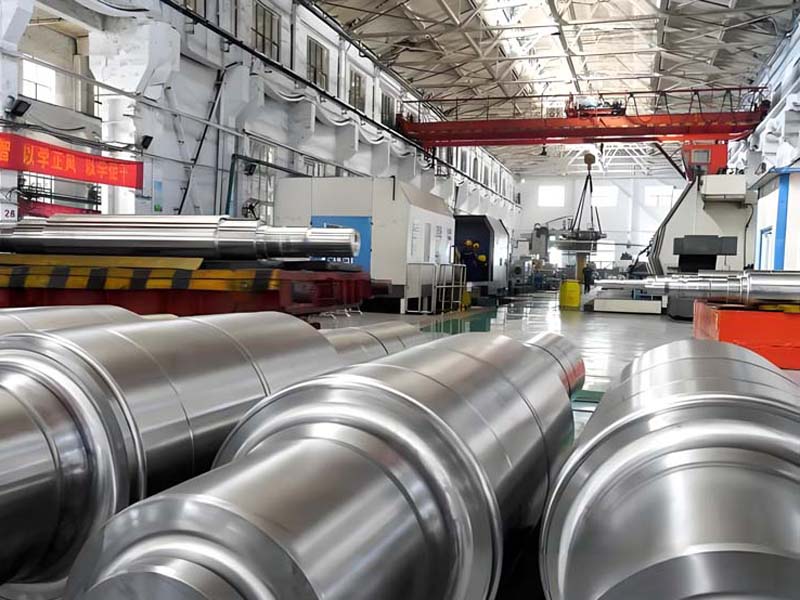
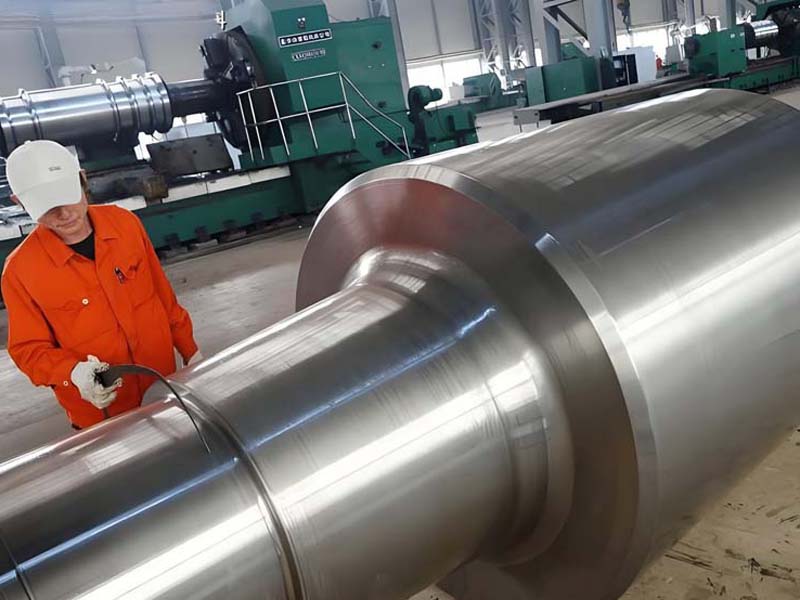
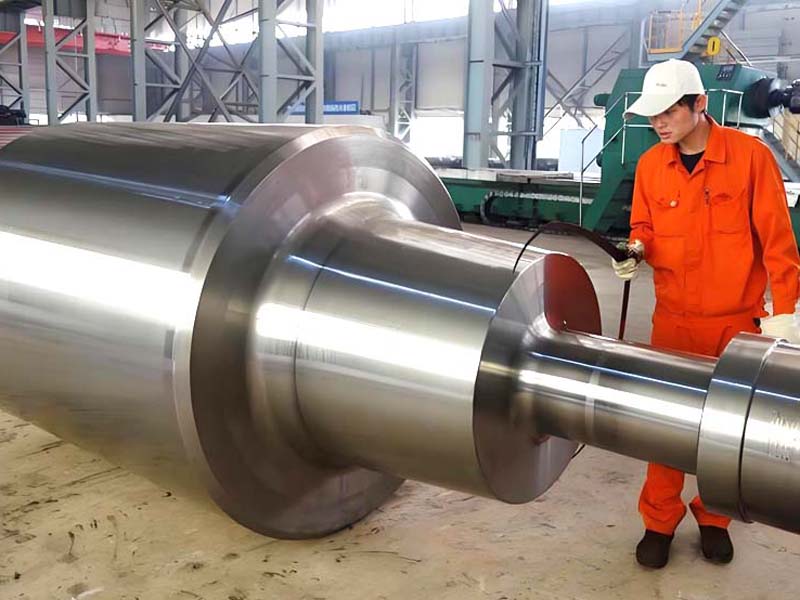
| Product name: | Common Defect Analysis in Shaft Forging |
| Keywords: | Common Defect Analysis in Shaft Forging |
| Industry: | Transportation - Automobile manufacturing industry |
| Process: | Forging - Free forging |
| Material: | Alloy steel |
Processing manufacturer
- There are 49 manufacturers that provide similar products
- There are 180 manufacturers that provide this processing technology
- There are 79 manufacturers that provide this material processing service
- There are 122 manufacturers that provide this industry processing service
Product details
Surface cracks and folds are high-frequency defects in shaft forging. Surface cracks are often caused by subcutaneous bubbles or rolling scratches in steel ingots, extending linearly along the direction of deformation. Folds are caused by the wear or burrs of the roll groove being rolled in, forming a folded seam with iron oxide inclusions, which easily leads to cracking.
Internal defects such as layered fractures and non-metallic inclusions pose significant hazards. Layered fractures are caused by inclusions being elongated along the rolling direction, leading to material delamination and a sharp drop in transverse performance. Non-metallic inclusions (such as sulfides and oxides) directly reduce material strength and cause forging cracking.
Process defects such as forging overheating and quenching cracks need to be strictly controlled. Overheating is caused by excessively high heating temperatures, leading to grain boundary oxidation or even melting, with a surface resembling orange peel. Quenching cracks are caused by excessively rapid cooling, where internal stress exceeds the material strength, resulting in a diagonal or network-like distribution. Optimizing process parameters and material selection is key to improving quality.
Similar products
More
What are the machining processes used for processing axial fan housings
- Process : Sheet metal - Welding
- Material : Carbon steel
Machining Process Analysis of Carbon Steel Fixed Anchor Plates
- Process : Machining - CNC milling or milling machining
- Material : Carbon steel
Heavy-Walled Flange Milling-Turning Machining and Flaw Detection
- Process : Machining - Turning Milling compound
- Material : Alloy steel
Drill Stabilizers Applied in Oil Drilling Platforms
- Process : Machining - Five-axis machining
- Material : Alloy steel
Custom Fabrication of S355JR Welded H-Beams for Construction Projects
- Process : Sheet metal - Welding
- Material : Carbon steel
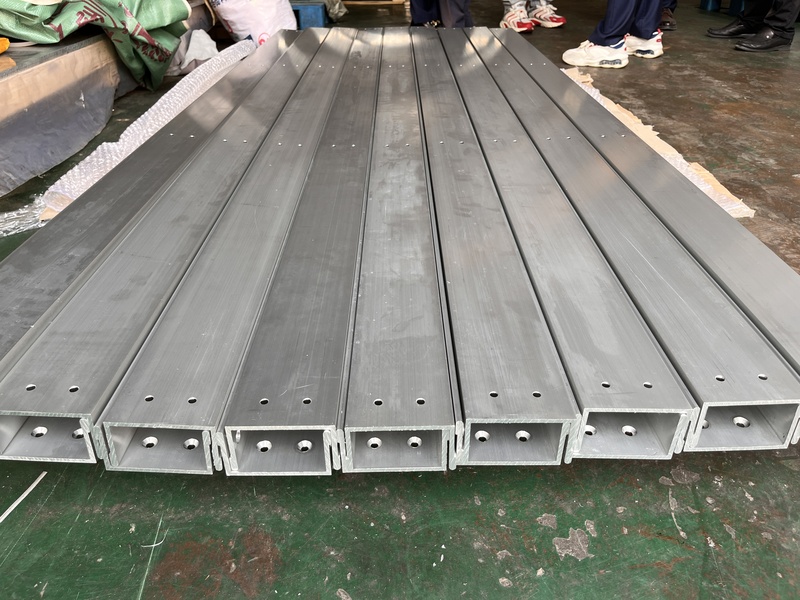
Precision Machining of U-Steel Profiles for Building Applications
- Process : Stamping - General stamping
- Material : Aluminum
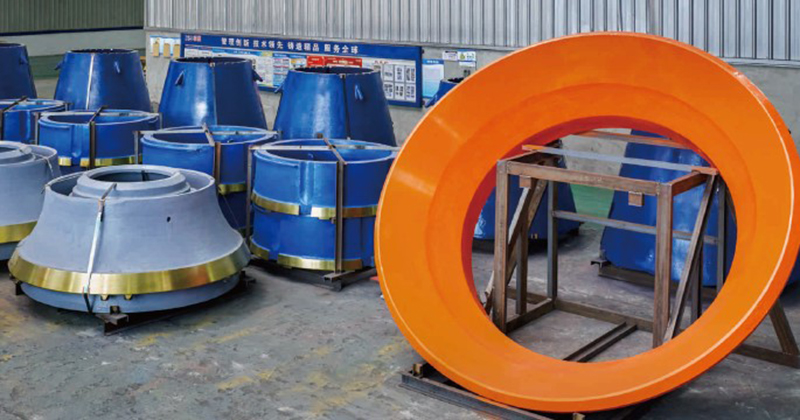
Cone Crusher Mantle
- Process : -
- Material :
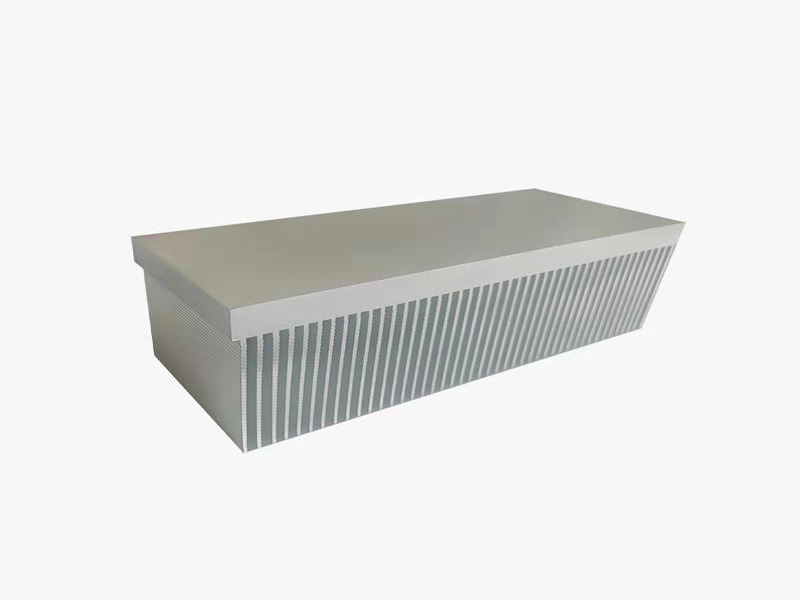
Innovative skiving technology: Breaking through the bottleneck of high-density heat dissipation technology
- Process : Surface treatment - Others
- Material : Alloy steel
More products
MoreWhat are the machining processes used for processing axial fan housings
- Process : Sheet metal - Welding
- Material : Carbon steel
Machining Process Analysis of Carbon Steel Fixed Anchor Plates
- Process : Machining - CNC milling or milling machining
- Material : Carbon steel
Heavy-Walled Flange Milling-Turning Machining and Flaw Detection
- Process : Machining - Turning Milling compound
- Material : Alloy steel
Drill Stabilizers Applied in Oil Drilling Platforms
- Process : Machining - Five-axis machining
- Material : Alloy steel
Custom Fabrication of S355JR Welded H-Beams for Construction Projects
- Process : Sheet metal - Welding
- Material : Carbon steel
Precision Machining of U-Steel Profiles for Building Applications
- Process : Stamping - General stamping
- Material : Aluminum
Cone Crusher Mantle
- Process : -
- Material :
Innovative skiving technology: Breaking through the bottleneck of high-density heat dissipation technology
- Process : Surface treatment - Others
- Material : Alloy steel