Automobile Fuel Tank Manufacturing
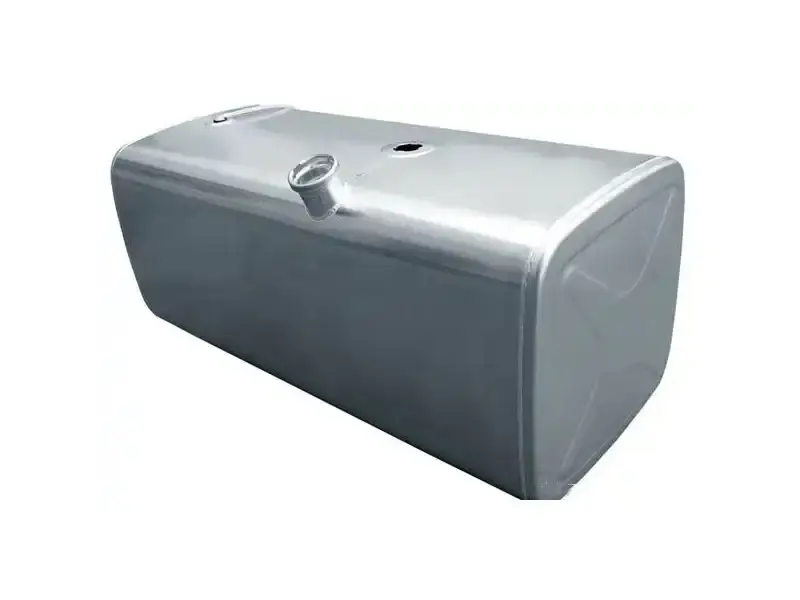
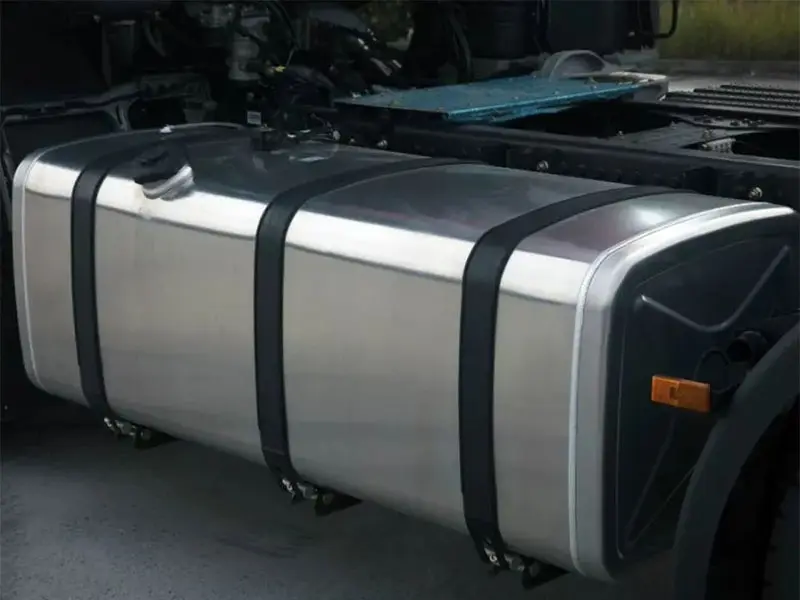
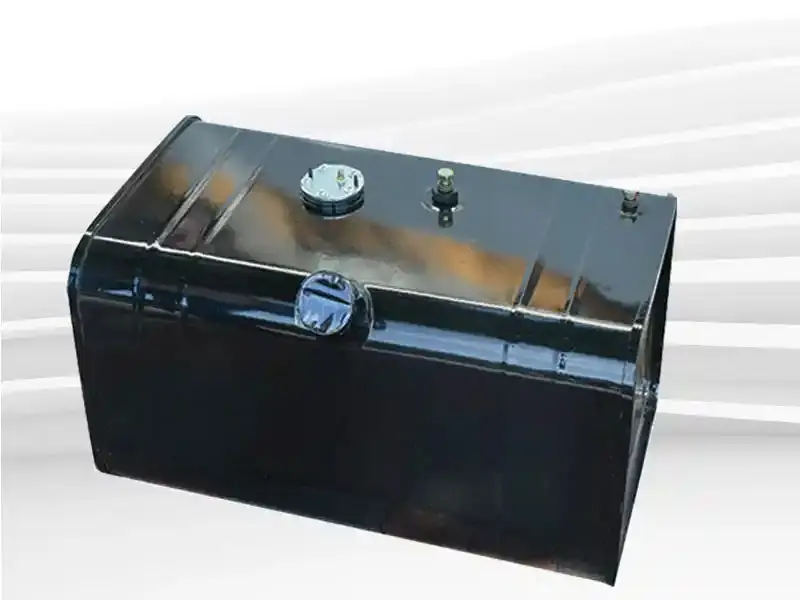
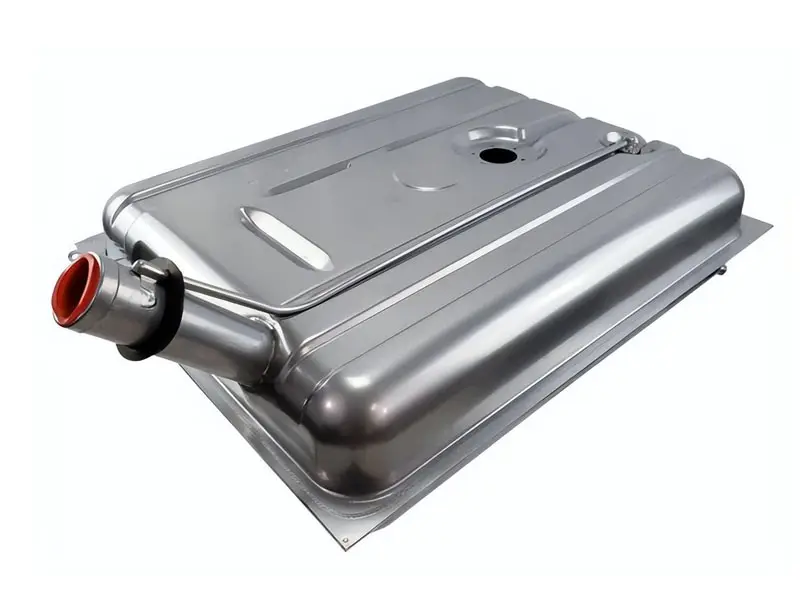
| Product name: | Automobile Fuel Tank Manufacturing |
| Keywords: | Automobile Fuel Tank Manufacturing |
| Industry: | Transportation - Logistics industry |
| Process: | Stamping - General stamping |
| Material: | Alloy steel |
Processing manufacturer
- There are 39 manufacturers that provide similar products
- There are 162 manufacturers that provide this processing technology
- There are 80 manufacturers that provide this material processing service
- There are 116 manufacturers that provide this industry processing service
Product details
The automobile fuel tank is a core component for storing fuel in vehicles. Its manufacturing process must ensure corrosion resistance, high sealing performance, and impact resistance to meet safety standards (such as GB 15501). Traditional metal fuel tanks (steel or aluminum) are suitable for commercial vehicles and models with high durability requirements, with stamping and welding as the main processing methods; plastic fuel tanks (HDPE multi-layer co-extrusion) account for over 80% and are suitable for passenger cars, offering lightweight design and low leakage rates, with extrusion blow molding as the main processing method.
Metal Fuel Tank Manufacturing Process
Metal fuel tanks often use galvanized steel sheets (DX51D+Z) or aluminum alloys (such as 3003/5754), with a thickness of 0.8-1.2mm, to provide rust protection. The process emphasizes automated continuous production to avoid oil leakage from welds. A typical process is based on the improved process of patent CN108555546A.
Main Material Characteristics:
- Galvanized Steel: Tensile strength 270-500 MPa, zinc layer 5-30g/m², strong corrosion resistance.
- Aluminum Alloy: Density 2.7g/cm³, lightweight, reducing weight by 30%.
Manufacturing Process Steps (Continuous Operation Unit):
- Uncoiling and Blanking: The uncoiler opens the galvanized steel coil, performs automatic centering, leveling, and cutting (preset size specifications), and grinds the galvanized layer immediately after blanking.
- Stamping and Forming: Integrated molds press the oil pipe ports (fueling/drainage/dial ports), process bosses, and product identification in one go, and spot weld reinforcing rings/pipe nuts.
- Bending and Welding: Bend the tank body and perform straight-edge spot welding + seam welding.
- Flanging and Assembly: Flange both ends of the tank body and spot weld internal baffles.
- End Cap Processing: Stamp end cap steel sheets, trim edges to remove burrs, and grind the galvanized layer.
- Combination Welding: Combine the end cap and the tank body, and use a double-headed profiling welding machine for constant linear speed welding (uniform weld, avoiding oil leakage).
- Post-processing: Cleaning, painting (anti-corrosion coating), leak detection (airtightness test), packaging.
Key Parameters: Stamping pressure 50-100 MPa, welding speed constant (calculated in real-time), total cycle <5min/piece. Challenge: Weld corrosion, optimization is solved by laser welding.
Similar products
More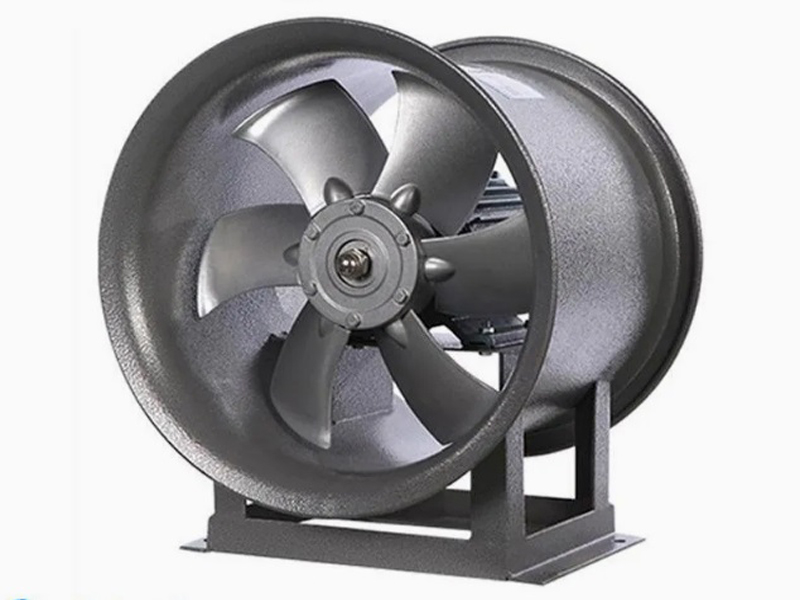
What are the machining processes used for processing axial fan housings
- Process : Sheet metal - Welding
- Material : Carbon steel
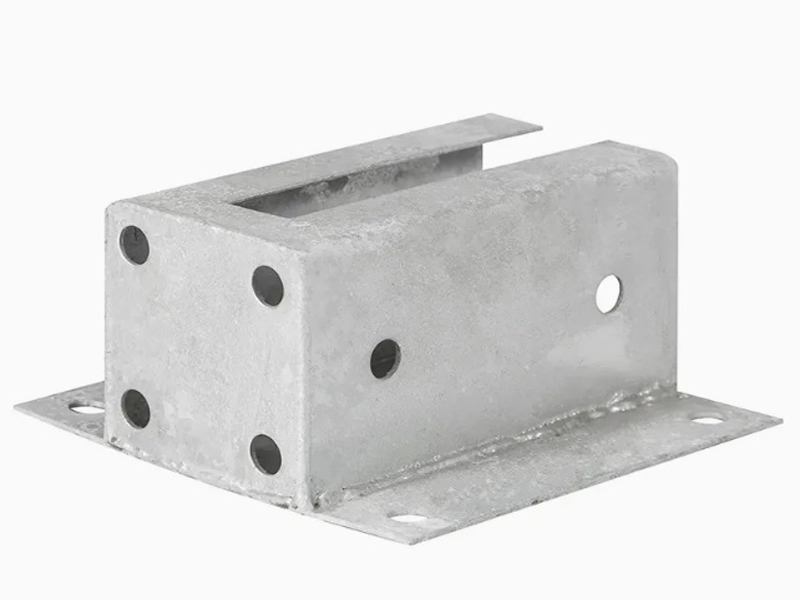
Machining Process Analysis of Carbon Steel Fixed Anchor Plates
- Process : Machining - CNC milling or milling machining
- Material : Carbon steel
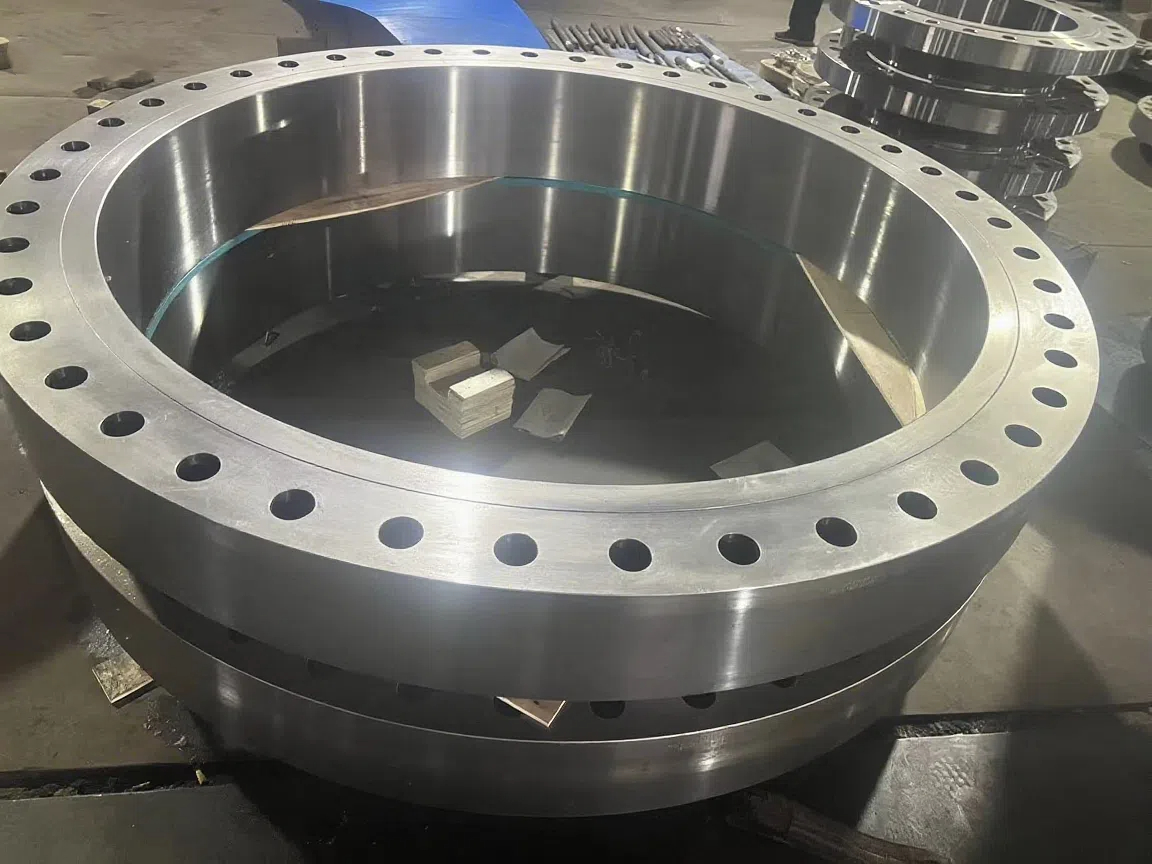
Heavy-Walled Flange Milling-Turning Machining and Flaw Detection
- Process : Machining - Turning Milling compound
- Material : Alloy steel
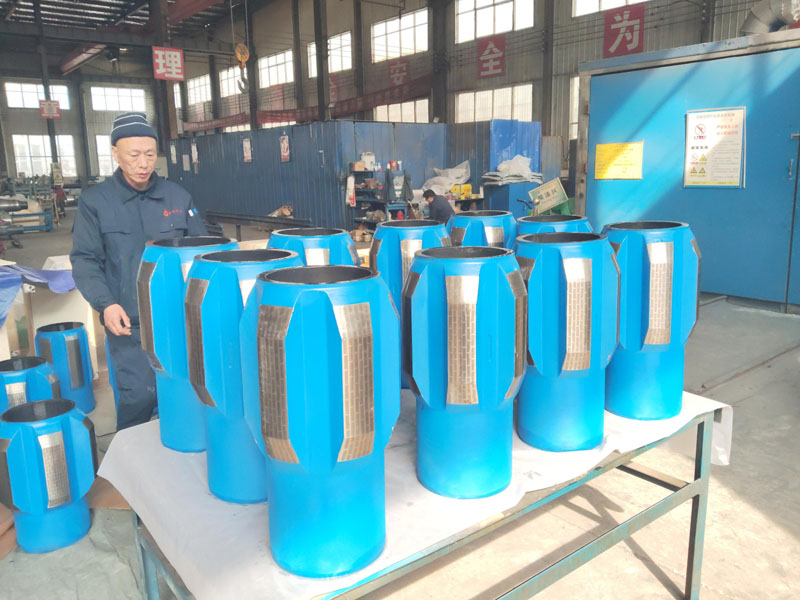
Drill Stabilizers Applied in Oil Drilling Platforms
- Process : Machining - Five-axis machining
- Material : Alloy steel
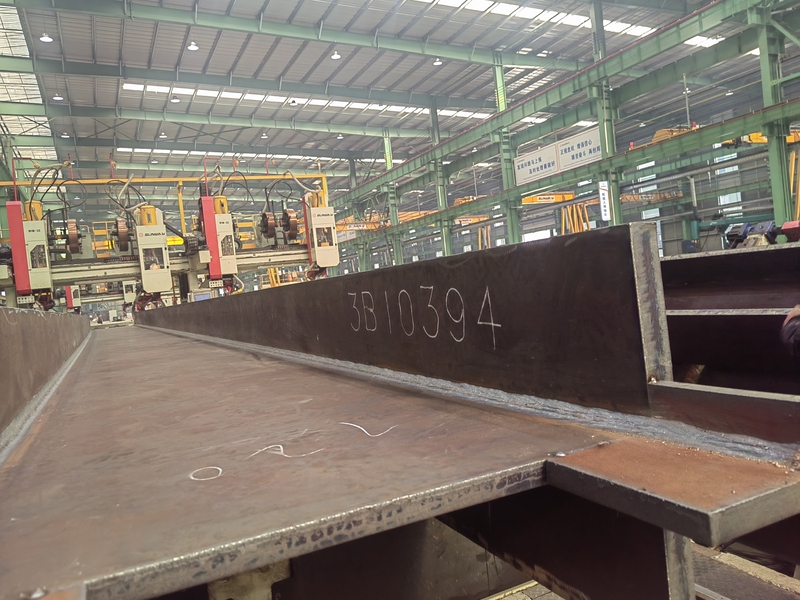
Custom Fabrication of S355JR Welded H-Beams for Construction Projects
- Process : Sheet metal - Welding
- Material : Carbon steel
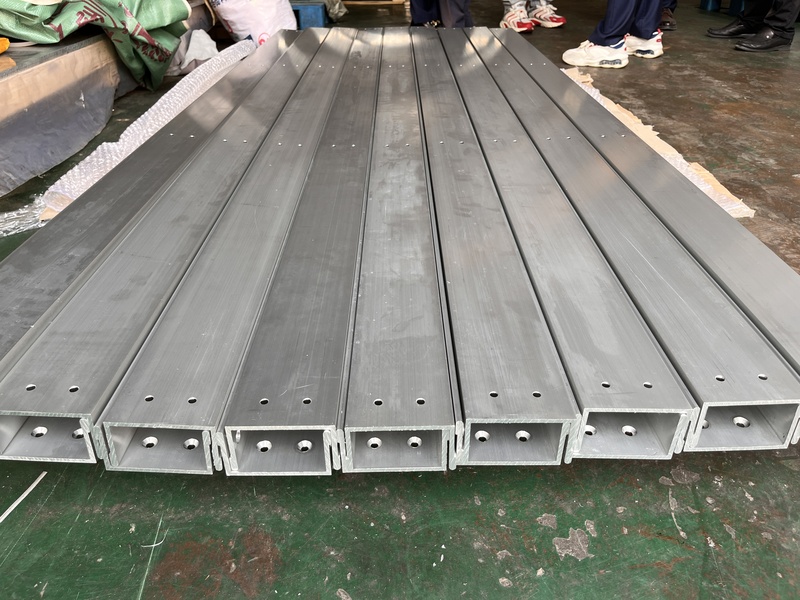
Precision Machining of U-Steel Profiles for Building Applications
- Process : Stamping - General stamping
- Material : Aluminum
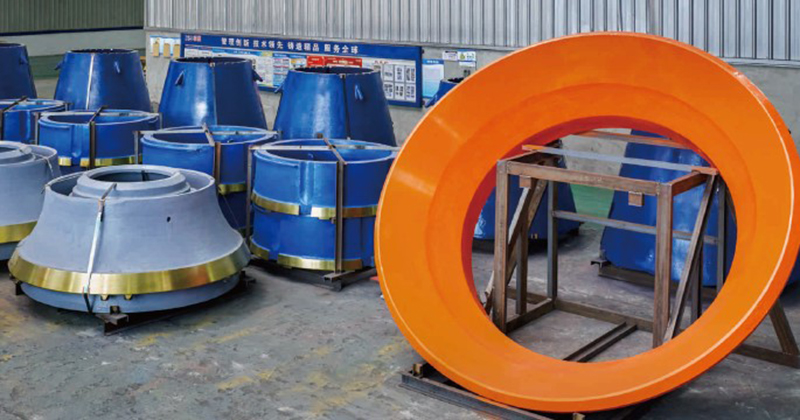
Cone Crusher Mantle
- Process : -
- Material :
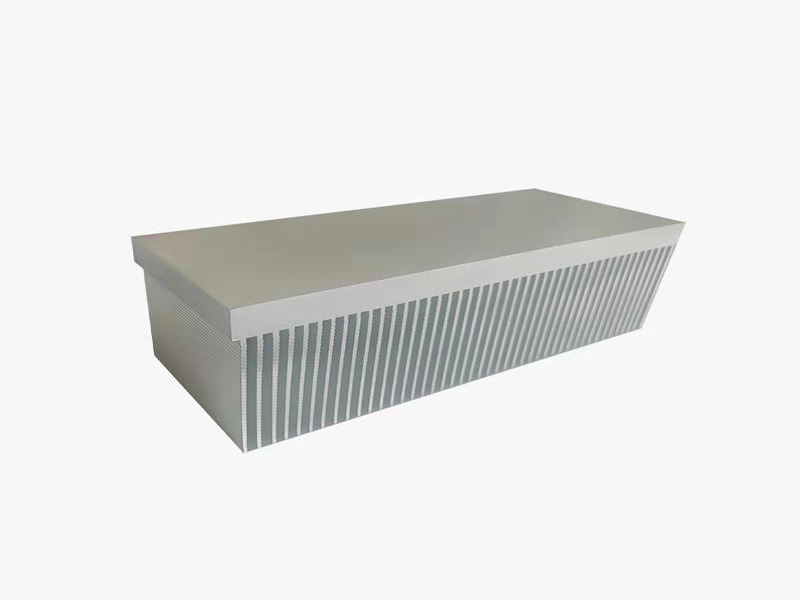
Innovative skiving technology: Breaking through the bottleneck of high-density heat dissipation technology
- Process : Surface treatment - Others
- Material : Alloy steel
More products
MoreWhat are the machining processes used for processing axial fan housings
- Process : Sheet metal - Welding
- Material : Carbon steel
Machining Process Analysis of Carbon Steel Fixed Anchor Plates
- Process : Machining - CNC milling or milling machining
- Material : Carbon steel
Heavy-Walled Flange Milling-Turning Machining and Flaw Detection
- Process : Machining - Turning Milling compound
- Material : Alloy steel
Drill Stabilizers Applied in Oil Drilling Platforms
- Process : Machining - Five-axis machining
- Material : Alloy steel
Custom Fabrication of S355JR Welded H-Beams for Construction Projects
- Process : Sheet metal - Welding
- Material : Carbon steel
Precision Machining of U-Steel Profiles for Building Applications
- Process : Stamping - General stamping
- Material : Aluminum
Cone Crusher Mantle
- Process : -
- Material :
Innovative skiving technology: Breaking through the bottleneck of high-density heat dissipation technology
- Process : Surface treatment - Others
- Material : Alloy steel