Aluminum Alloy Die-Cast Automotive Parts
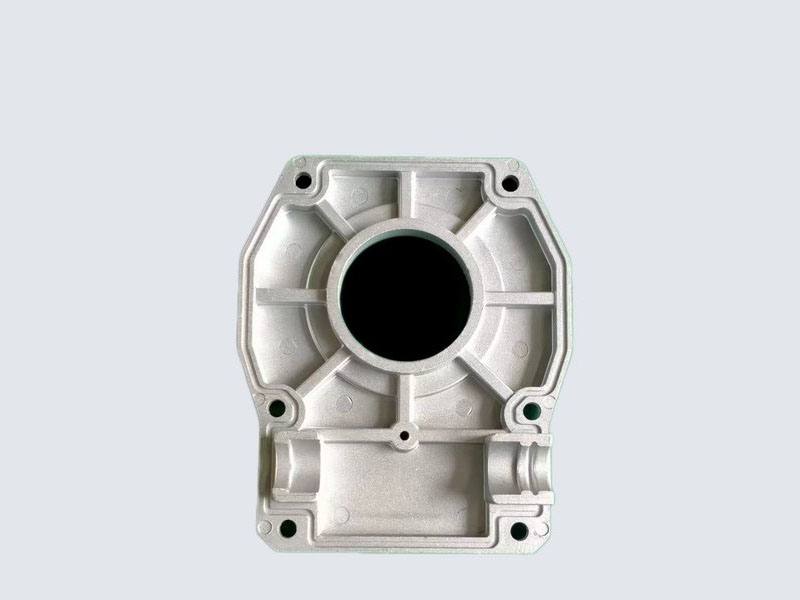
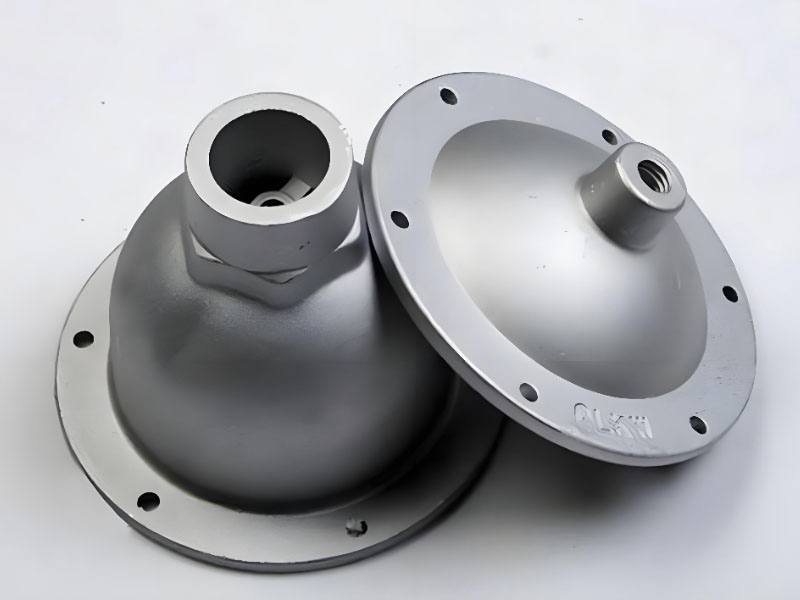
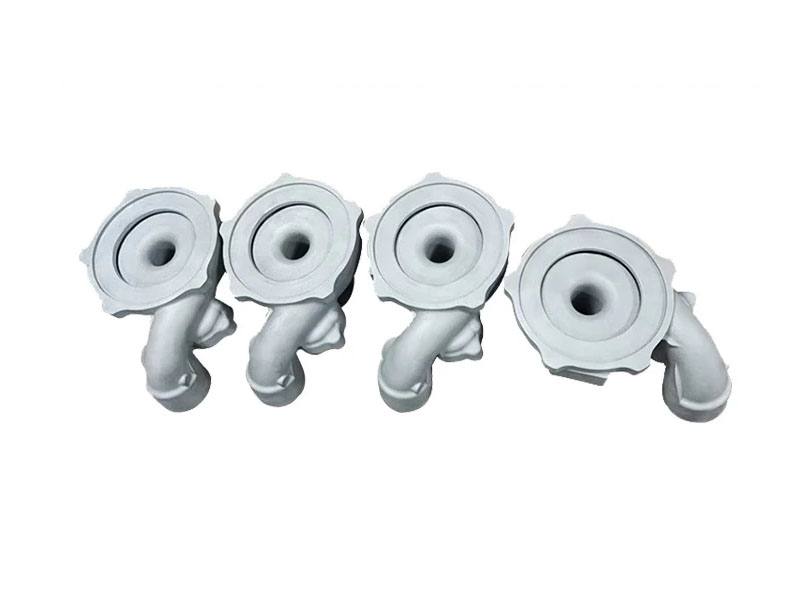
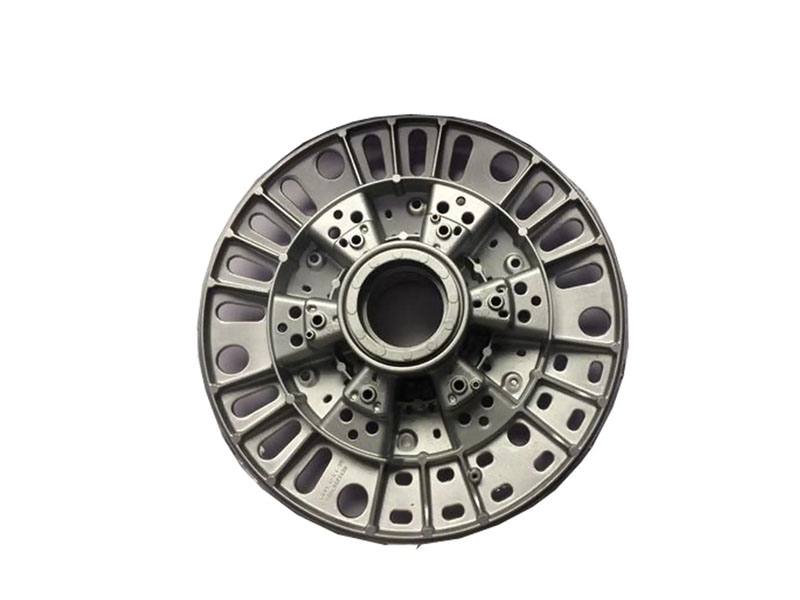
| Product name: | Aluminum Alloy Die-Cast Automotive Parts |
| Keywords: | Aluminum Alloy Die-Casting |
| Industry: | Transportation - Automobile manufacturing industry |
| Process: | Casting - Die casting |
| Material: | Aluminum |
Processing manufacturer
- There are 50 manufacturers that provide similar products
- There are 127 manufacturers that provide this processing technology
- There are 83 manufacturers that provide this material processing service
- There are 101 manufacturers that provide this industry processing service
Product details
Aluminum alloy die-casting is a widely used lightweight technology in the manufacturing of automotive parts. Especially in the era of new energy vehicles, integrated die-casting enables the formation of complex structural parts, which can significantly reduce vehicle weight, improve efficiency, and reduce welding processes. The die-casting process mainly utilizes high pressure to inject molten aluminum alloy into a mold, achieving the production of high-precision, complex-shaped castings.
Main Manufacturing Steps
The aluminum alloy die-casting process can be divided into preparation, forming, and post-processing stages, as follows (based on standard hot chamber or cold chamber die-casting machine processes):
- Alloy Melting: Select an aluminum alloy suitable for automotive parts (such as ADC12 or A380) and heat it in a furnace to approximately 650-700°C to melt it. It is necessary to control impurities and gas content to ensure the purity of the molten metal.
- Mold Preparation: The mold is usually made of H13 steel, preheated to 150-250°C, and coated with a release agent. Large-scale integrated die-casting molds for automobiles require high-precision machining to accommodate complex geometric shapes.
- Molten Metal Pouring and Injection: Pour the molten metal into the injection chamber (cold chamber machine) or inject it directly from the crucible (hot chamber machine), and then inject it into the mold cavity at high speed (30-60m/s) and high pressure (50-150MPa). Vacuum assistance can reduce porosity defects.
- Cooling and Solidification: The molten metal in the mold cools and solidifies within a few seconds to tens of seconds, forming the casting. The cooling time depends on the wall thickness and mold design, and is usually controlled at 80-90 seconds/piece to achieve efficient production.
- Mold Opening and Part Removal: The mold is opened, and the casting is removed using ejector pins or robots. Care must be taken to avoid damaging the surface.
- Trimming and Cleaning: Remove runners, flash, and overflow material, and clean the surface using a vibrating screen or sandblasting.
- Heat Treatment: Perform T6 heat treatment (solution treatment + aging) to improve strength and corrosion resistance, suitable for automotive chassis or body parts.
- Machining and Surface Treatment: CNC machining is used for precise hole positions, and spraying or anodizing is used for rust prevention. Final inspection of dimensions, strength, and defects.
Previous article : Analysis Report on the Function of Gears in Lifting Operations
Next article : Nickel-Based Alloy 718 in Gas Turbines
Similar products
More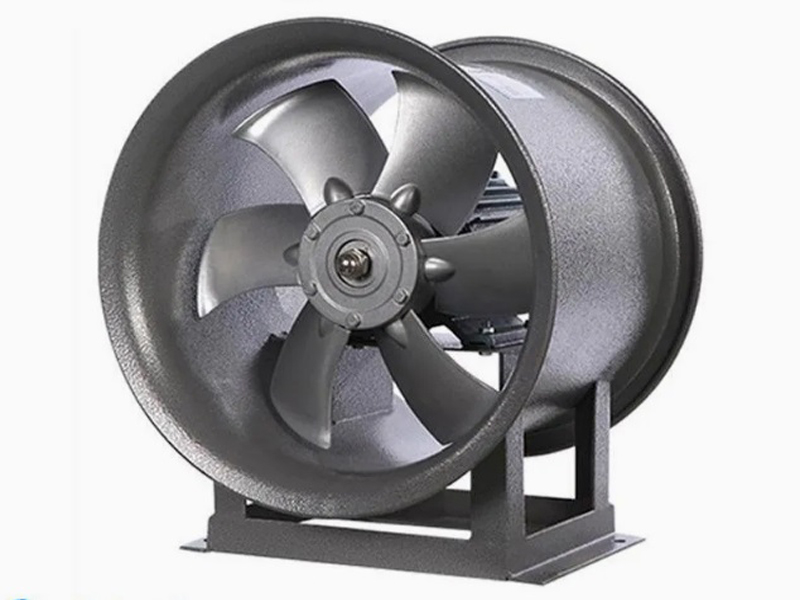
What are the machining processes used for processing axial fan housings
- Process : Sheet metal - Welding
- Material : Carbon steel
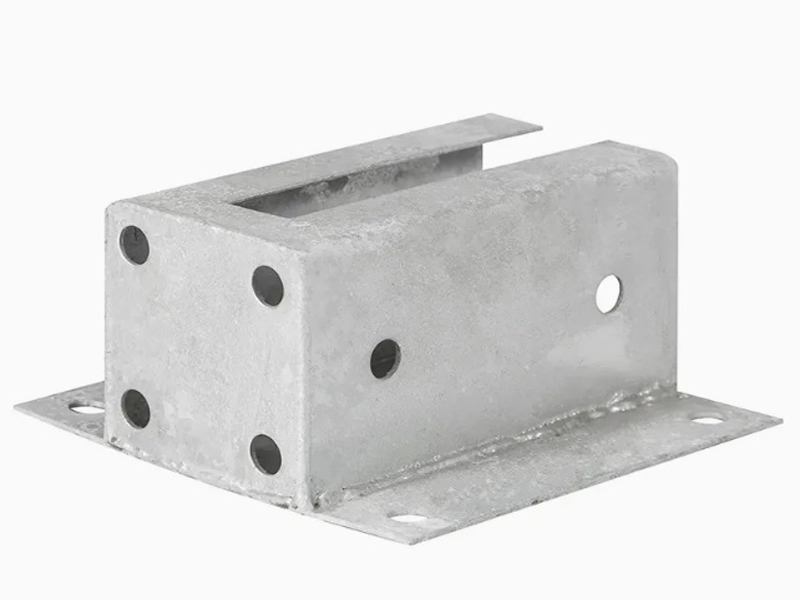
Machining Process Analysis of Carbon Steel Fixed Anchor Plates
- Process : Machining - CNC milling or milling machining
- Material : Carbon steel
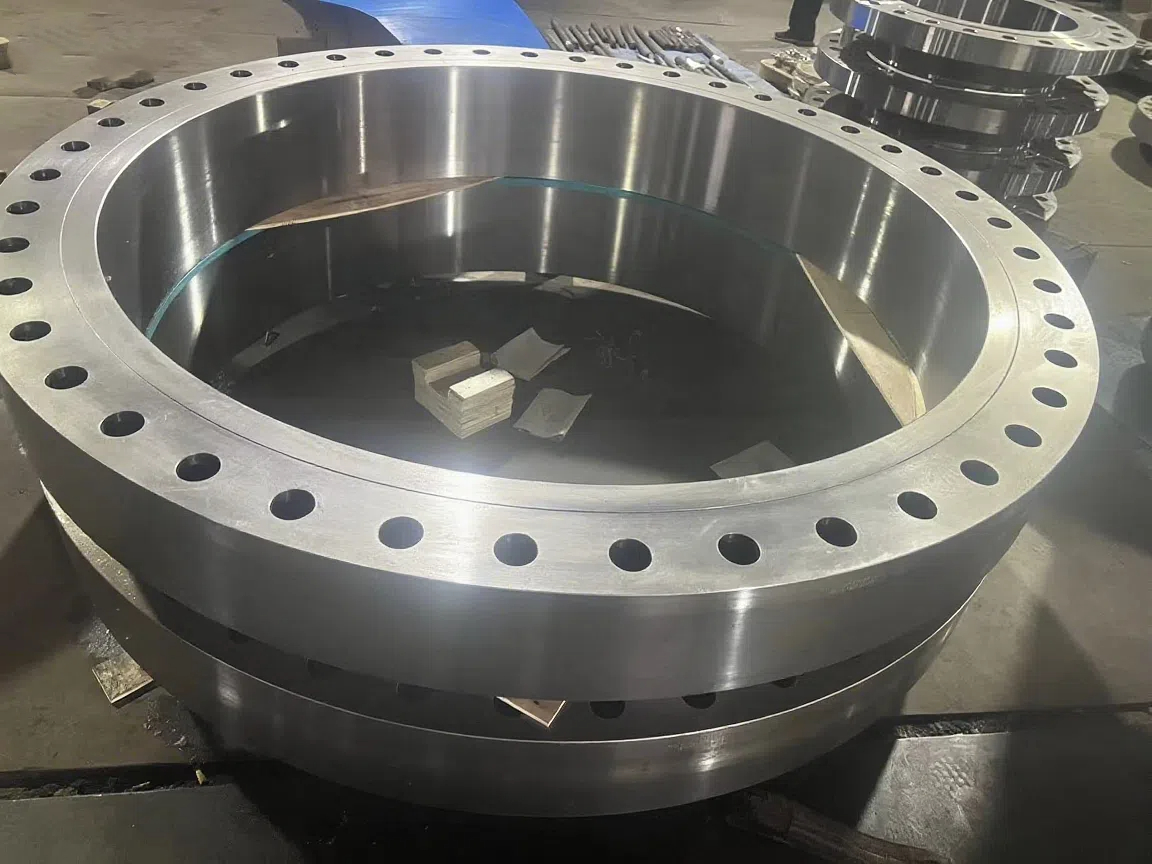
Heavy-Walled Flange Milling-Turning Machining and Flaw Detection
- Process : Machining - Turning Milling compound
- Material : Alloy steel
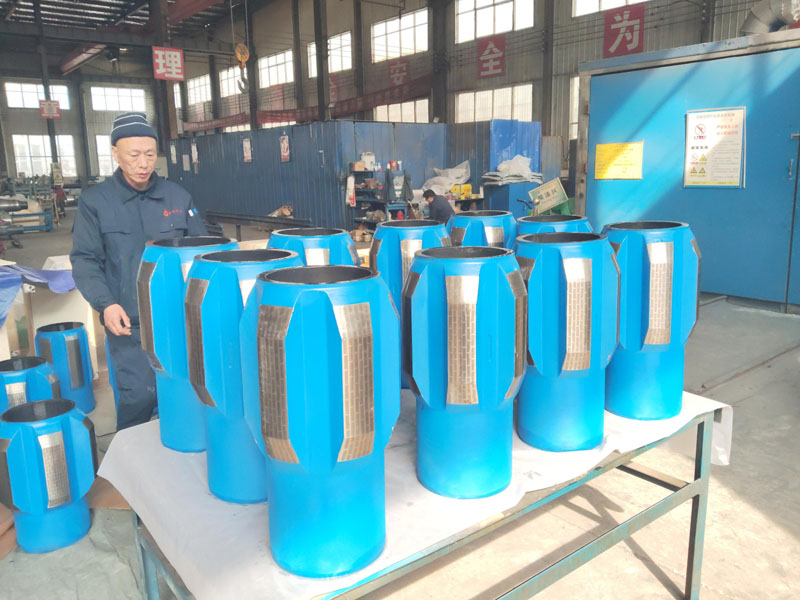
Drill Stabilizers Applied in Oil Drilling Platforms
- Process : Machining - Five-axis machining
- Material : Alloy steel
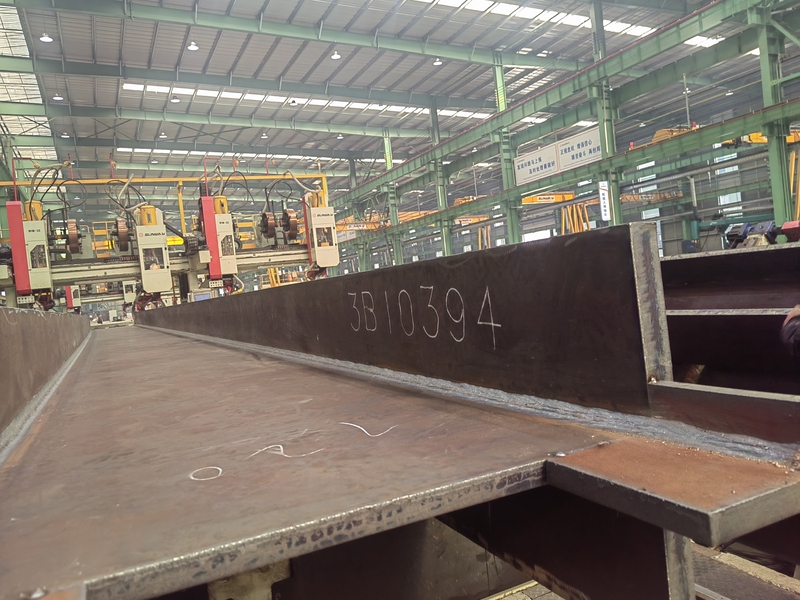
Custom Fabrication of S355JR Welded H-Beams for Construction Projects
- Process : Sheet metal - Welding
- Material : Carbon steel
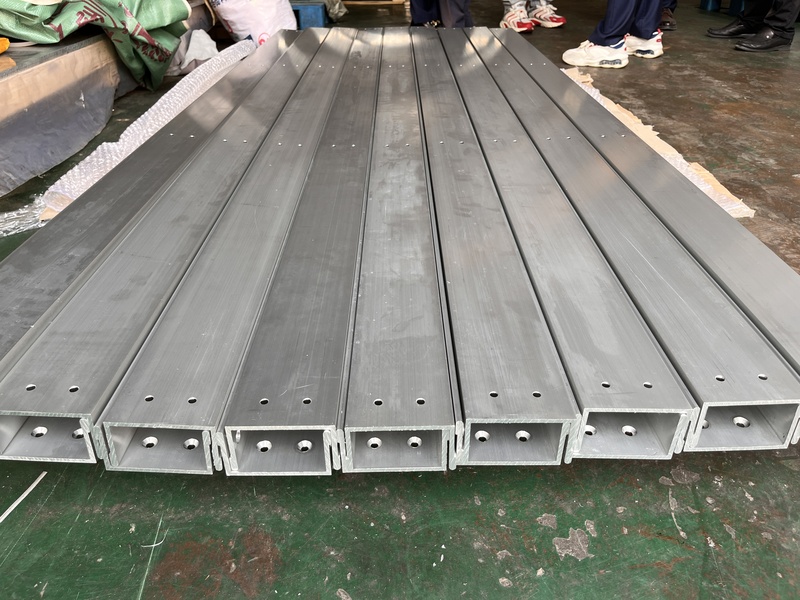
Precision Machining of U-Steel Profiles for Building Applications
- Process : Stamping - General stamping
- Material : Aluminum
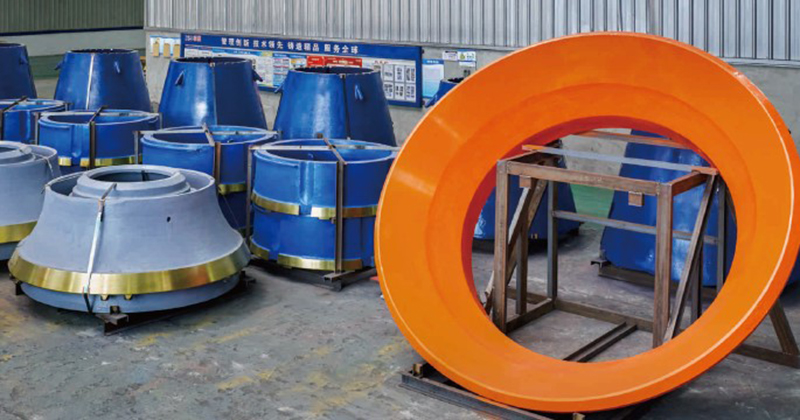
Cone Crusher Mantle
- Process : -
- Material :
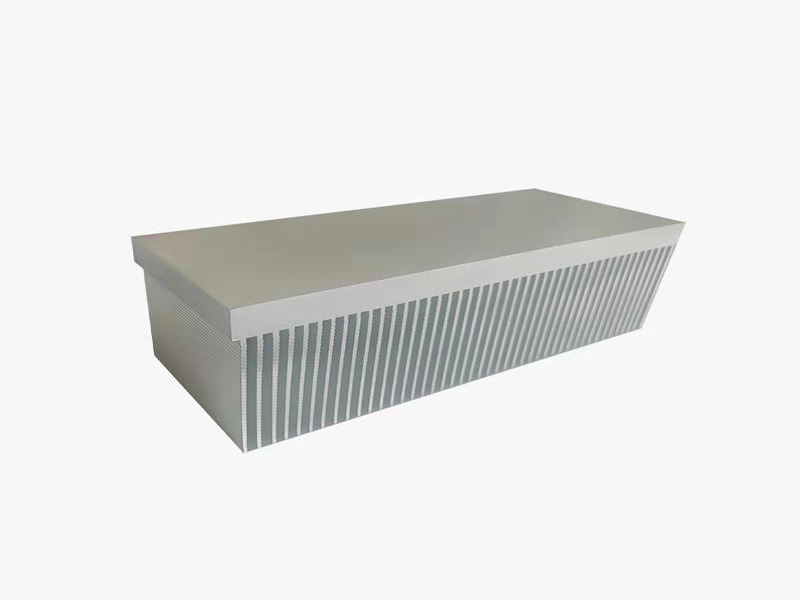
Innovative skiving technology: Breaking through the bottleneck of high-density heat dissipation technology
- Process : Surface treatment - Others
- Material : Alloy steel
More products
MoreWhat are the machining processes used for processing axial fan housings
- Process : Sheet metal - Welding
- Material : Carbon steel
Machining Process Analysis of Carbon Steel Fixed Anchor Plates
- Process : Machining - CNC milling or milling machining
- Material : Carbon steel
Heavy-Walled Flange Milling-Turning Machining and Flaw Detection
- Process : Machining - Turning Milling compound
- Material : Alloy steel
Drill Stabilizers Applied in Oil Drilling Platforms
- Process : Machining - Five-axis machining
- Material : Alloy steel
Custom Fabrication of S355JR Welded H-Beams for Construction Projects
- Process : Sheet metal - Welding
- Material : Carbon steel
Precision Machining of U-Steel Profiles for Building Applications
- Process : Stamping - General stamping
- Material : Aluminum
Cone Crusher Mantle
- Process : -
- Material :
Innovative skiving technology: Breaking through the bottleneck of high-density heat dissipation technology
- Process : Surface treatment - Others
- Material : Alloy steel