Cutting Steel Plates to Fabricate High-Speed Railway Box Girder Components
| Product name: | Cutting Steel Plates to Fabricate High-Speed Railway Box Girder Components |
| Keywords: | Cutting Steel Plates to Fabricate High-Speed Railway Box Girder Components |
| Industry: | Transportation - Rail transportation |
| Process: | Sheet metal - Various types of cutting |
| Material: | Carbon steel |
Processing manufacturer
- There are 50 manufacturers that provide similar products
- There are 191 manufacturers that provide this processing technology
- There are 114 manufacturers that provide this material processing service
- There are 180 manufacturers that provide this industry processing service
Product details
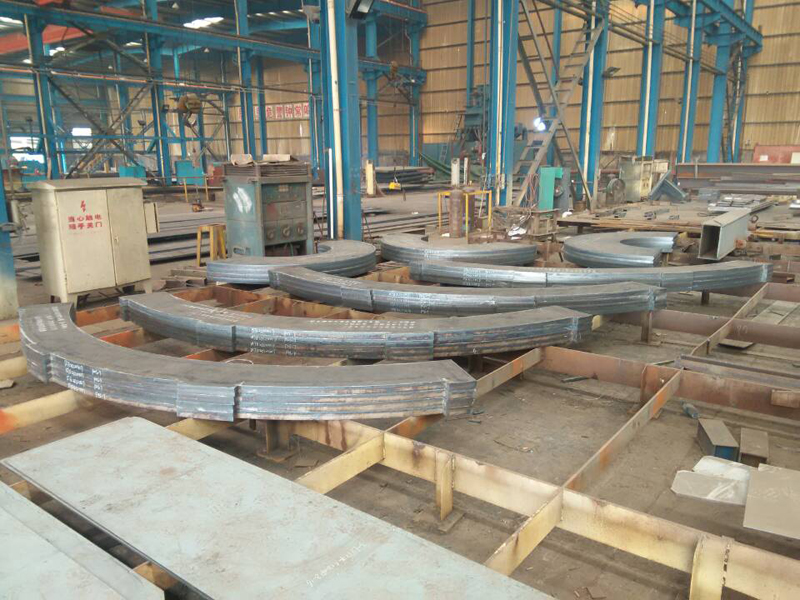
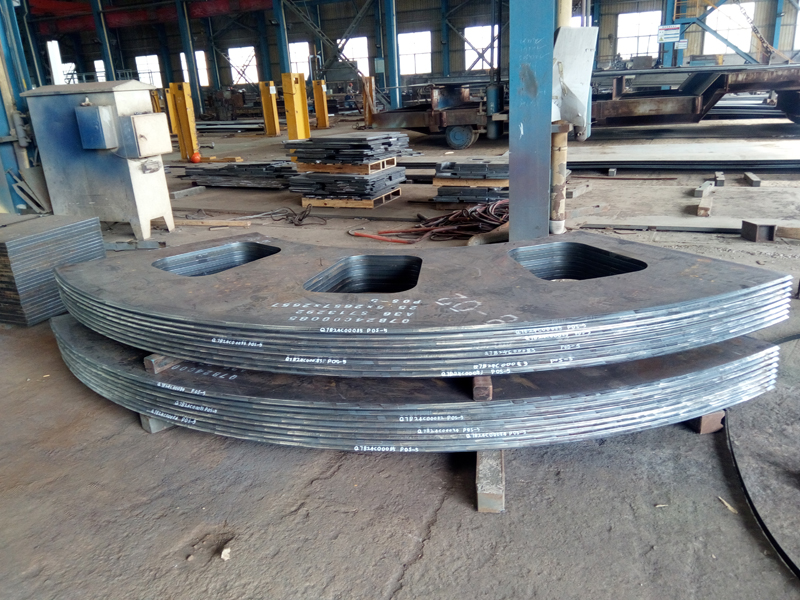
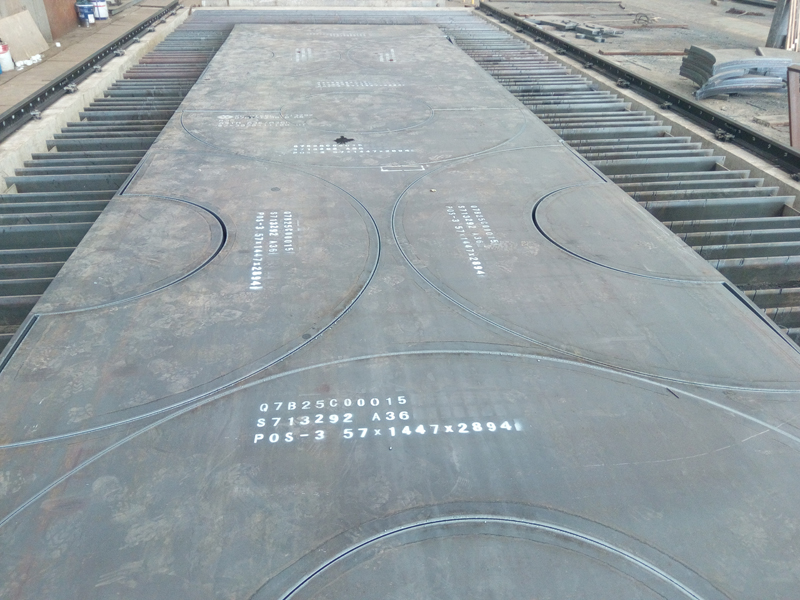
Cutting steel plates is the first key process in fabricating high-speed railway box girder components. Workers operate advanced CNC cutting machines, precisely aligning them with the marking lines on the steel plates. Accompanied by the piercing sound of metal friction, the steel plates are cut into base blanks that meet design requirements, laying a solid foundation for subsequent processes.
The precision of steel plate cutting directly affects the quality of high-speed railway box girder components. Technicians repeatedly calibrate cutting parameters to ensure that the dimensional error of each cut steel plate is controlled within the millimeter level. Only in this way can the subsequent welding and assembly stages proceed smoothly, ensuring the overall stability of the box girder.
Throughout the entire production process, the efficiency of the steel plate cutting stage is also crucial. By introducing automated cutting equipment, the company has significantly increased the speed of steel plate cutting. Workloads that originally took several hours can now be completed in just tens of minutes, effectively shortening the production cycle of high-speed railway box girder components and boosting the efficient advancement of high-speed railway construction projects.
Similar products
More
What are the machining processes used for processing axial fan housings
- Process : Sheet metal - Welding
- Material : Carbon steel
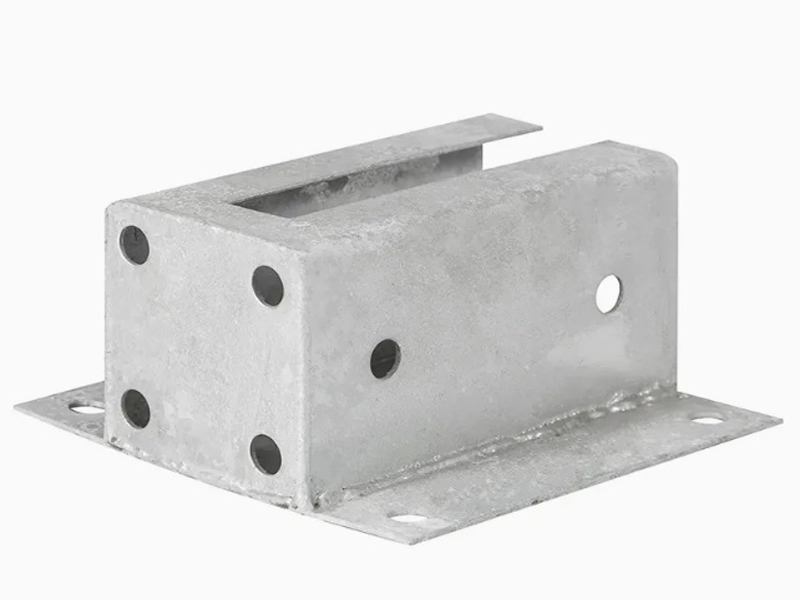
Machining Process Analysis of Carbon Steel Fixed Anchor Plates
- Process : Machining - CNC milling or milling machining
- Material : Carbon steel
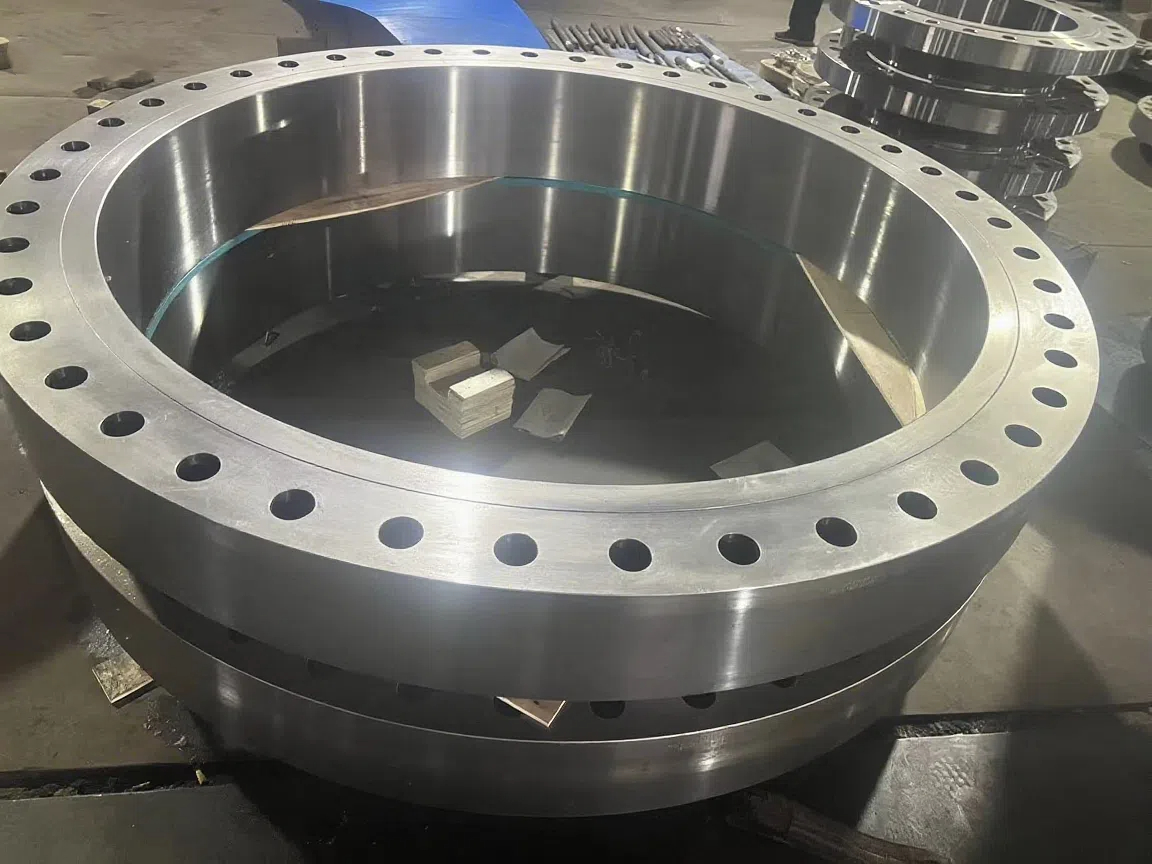
Heavy-Walled Flange Milling-Turning Machining and Flaw Detection
- Process : Machining - Turning Milling compound
- Material : Alloy steel
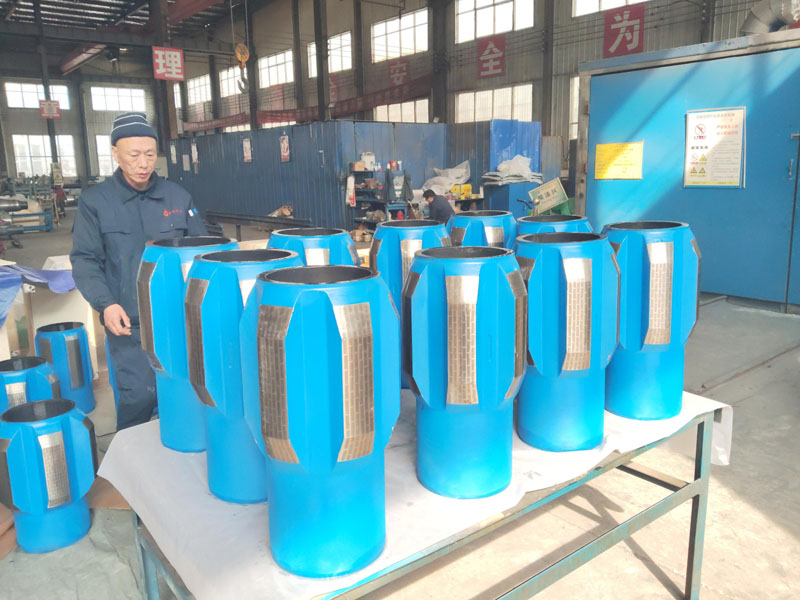
Drill Stabilizers Applied in Oil Drilling Platforms
- Process : Machining - Five-axis machining
- Material : Alloy steel
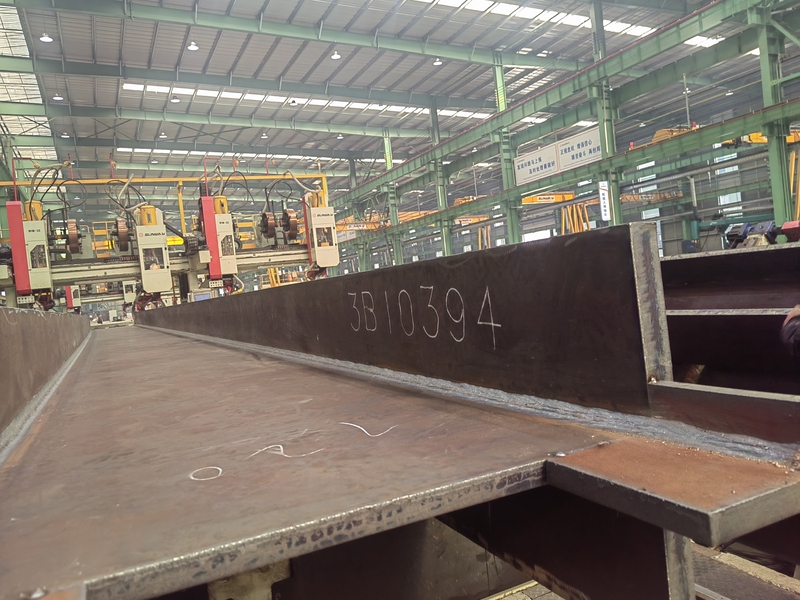
Custom Fabrication of S355JR Welded H-Beams for Construction Projects
- Process : Sheet metal - Welding
- Material : Carbon steel
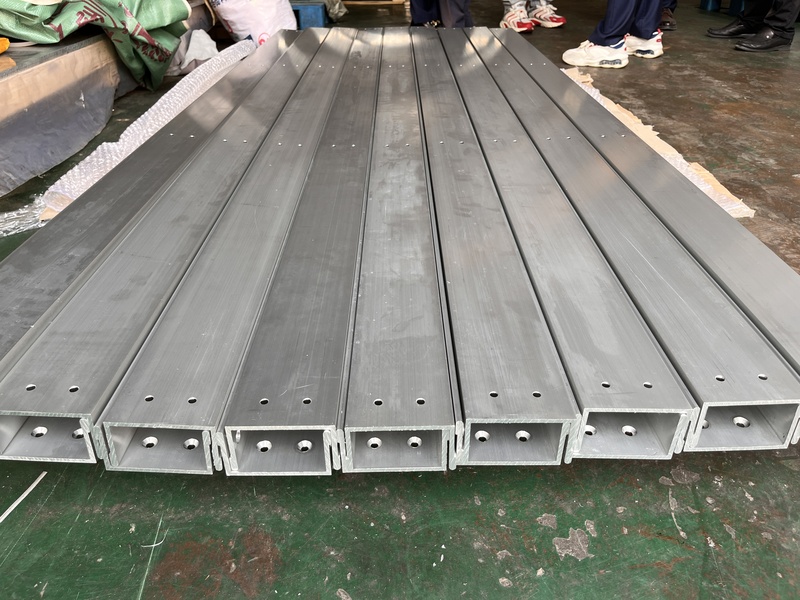
Precision Machining of U-Steel Profiles for Building Applications
- Process : Stamping - General stamping
- Material : Aluminum
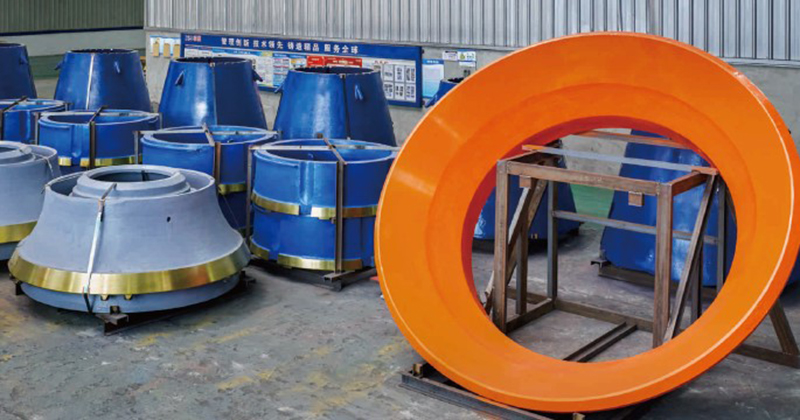
Cone Crusher Mantle
- Process : -
- Material :
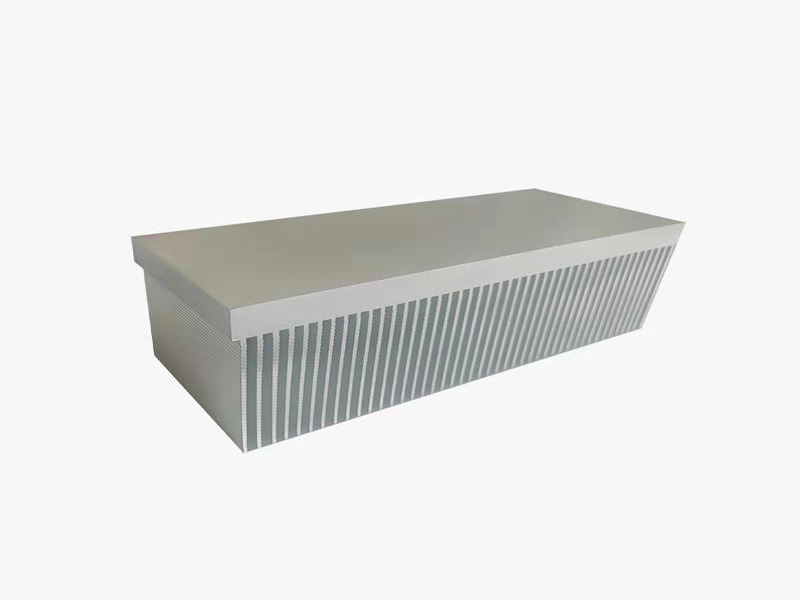
Innovative skiving technology: Breaking through the bottleneck of high-density heat dissipation technology
- Process : Surface treatment - Others
- Material : Alloy steel
More products
MoreWhat are the machining processes used for processing axial fan housings
- Process : Sheet metal - Welding
- Material : Carbon steel
Machining Process Analysis of Carbon Steel Fixed Anchor Plates
- Process : Machining - CNC milling or milling machining
- Material : Carbon steel
Heavy-Walled Flange Milling-Turning Machining and Flaw Detection
- Process : Machining - Turning Milling compound
- Material : Alloy steel
Drill Stabilizers Applied in Oil Drilling Platforms
- Process : Machining - Five-axis machining
- Material : Alloy steel
Custom Fabrication of S355JR Welded H-Beams for Construction Projects
- Process : Sheet metal - Welding
- Material : Carbon steel
Precision Machining of U-Steel Profiles for Building Applications
- Process : Stamping - General stamping
- Material : Aluminum
Cone Crusher Mantle
- Process : -
- Material :
Innovative skiving technology: Breaking through the bottleneck of high-density heat dissipation technology
- Process : Surface treatment - Others
- Material : Alloy steel