Cutting Steel Plates to Create Highway Guardrail Components
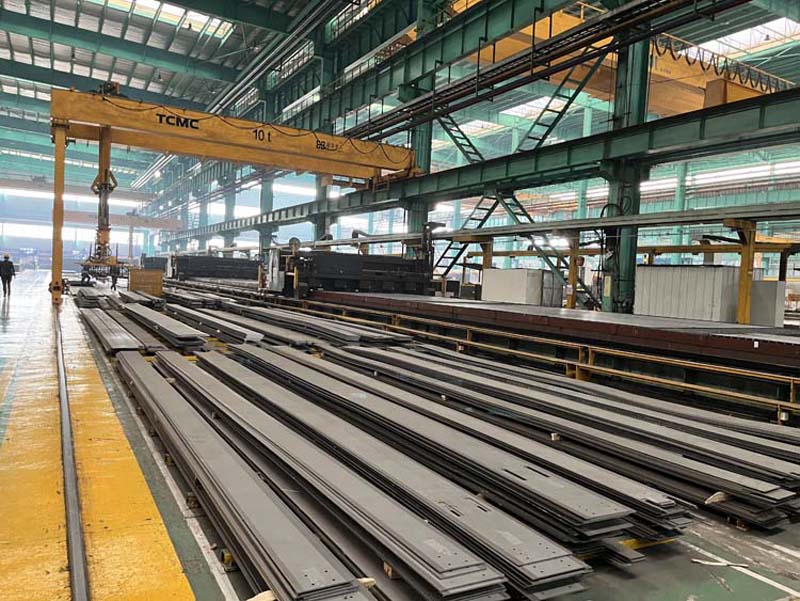
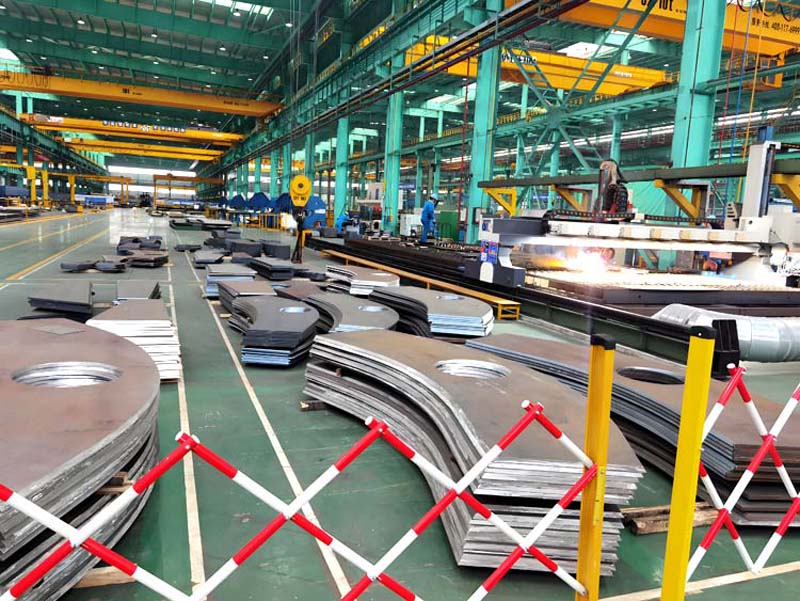
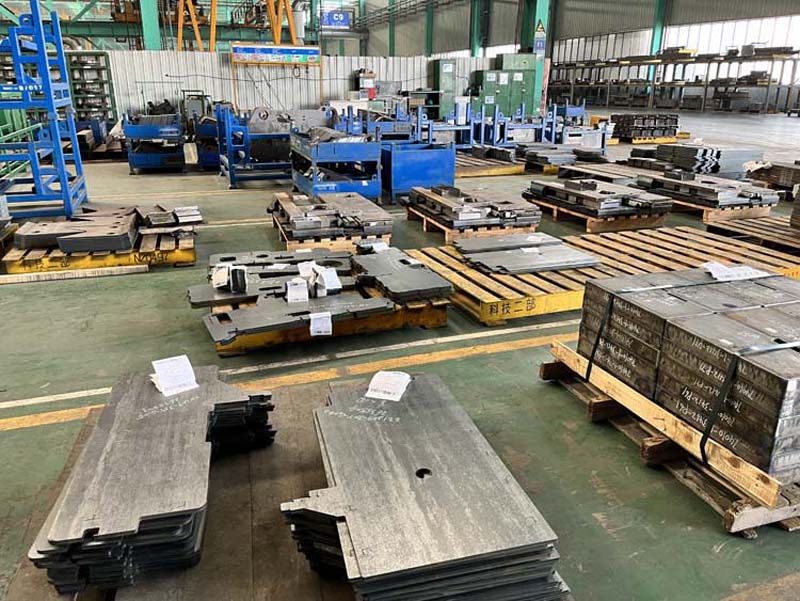
| Product name: | Cutting Steel Plates to Create Highway Guardrail Components |
| Keywords: | Cutting Steel Plates to Create Highway Guardrail Components |
| Industry: | Transportation - Rail transportation |
| Process: | Sheet metal - Various types of cutting |
| Material: | Carbon steel |
Processing manufacturer
- There are 52 manufacturers that provide similar products
- There are 186 manufacturers that provide this processing technology
- There are 112 manufacturers that provide this material processing service
- There are 152 manufacturers that provide this industry processing service
Product details
Cutting steel plates is the first critical step in manufacturing highway guardrail components. Workers operate advanced CNC cutting machines, working precisely on heavy steel plates according to design blueprints. Amidst flying sparks, the once-uniform steel plates are divided into the prototypes of guardrail components. Every cut line is crucial to the fit of subsequent parts and the overall stability of the guardrail.
The precision of steel plate cutting directly determines the quality of the guardrail components. Experienced technicians adjust cutting parameters based on the thickness of the steel plate to ensure smooth and even cuts without burrs or deformation. These components, made from finely cut steel plates, form the foundation of the guardrails durability, effectively dispersing impact forces during vehicle collisions to safeguard road safety.
Throughout the production process of highway guardrail components, steel plate cutting is a constant presence. From the initial raw material blanking to the later assembly and fitting of components, the craftsmanship of steel plate cutting affects every stage. It is these precise cuts that transform cold steel plates into vital barriers for road safety, silently protecting the well-being of countless travelers.
Similar products
More
What are the machining processes used for processing axial fan housings
- Process : Sheet metal - Welding
- Material : Carbon steel
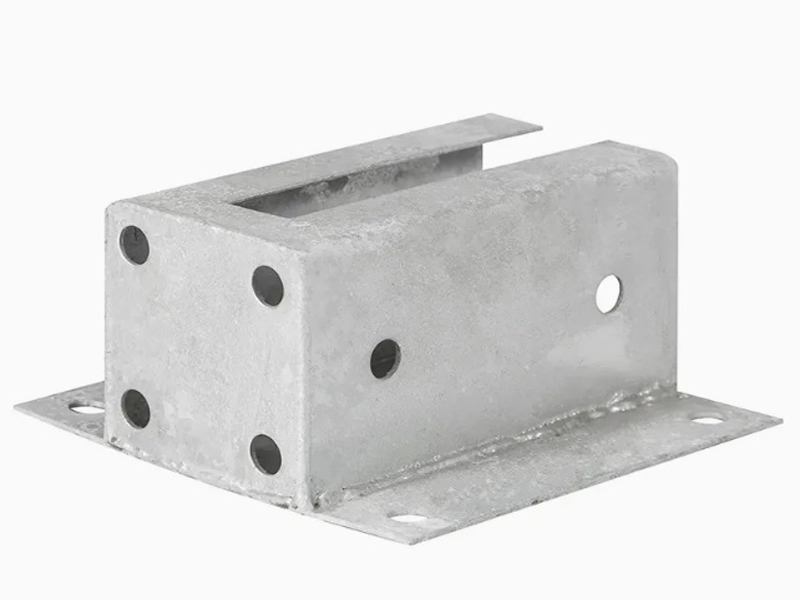
Machining Process Analysis of Carbon Steel Fixed Anchor Plates
- Process : Machining - CNC milling or milling machining
- Material : Carbon steel
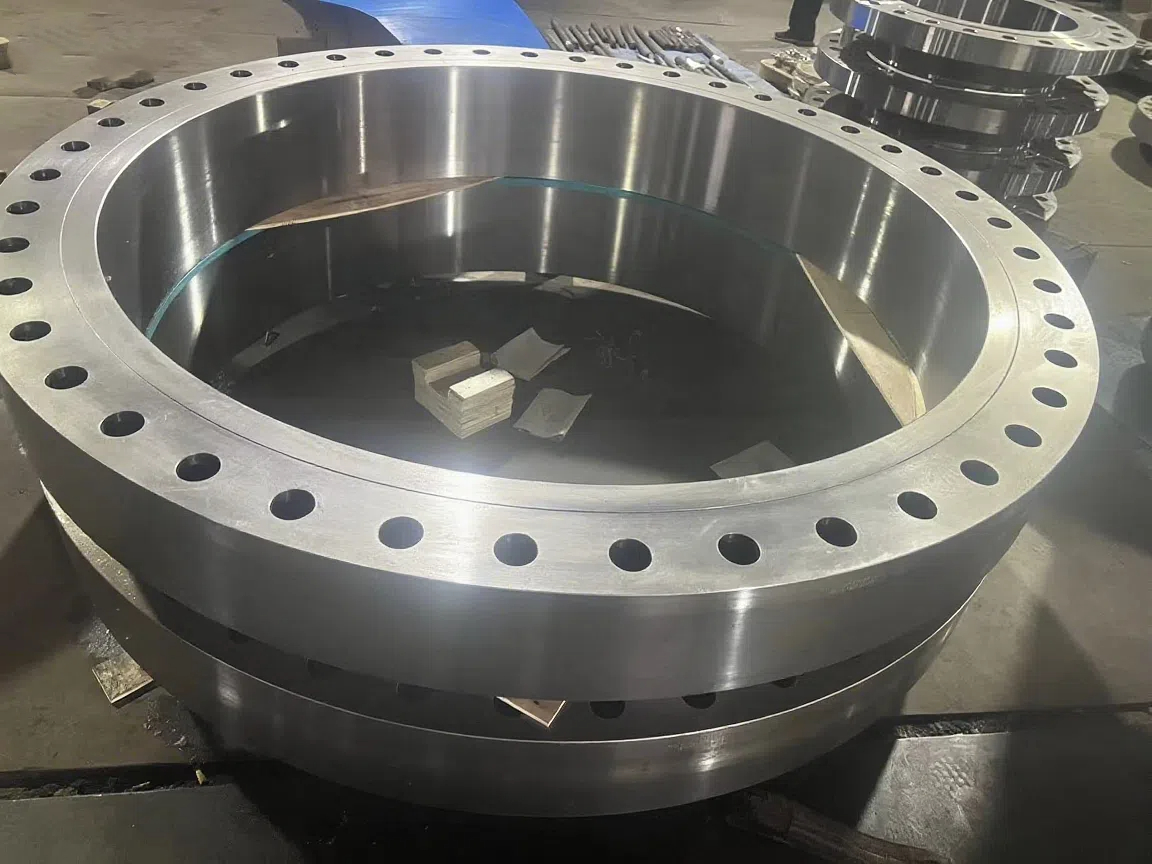
Heavy-Walled Flange Milling-Turning Machining and Flaw Detection
- Process : Machining - Turning Milling compound
- Material : Alloy steel
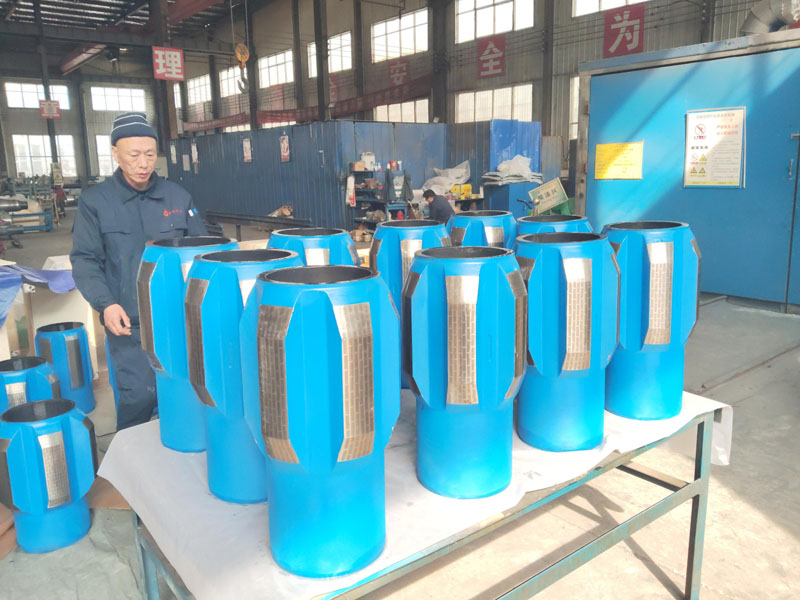
Drill Stabilizers Applied in Oil Drilling Platforms
- Process : Machining - Five-axis machining
- Material : Alloy steel
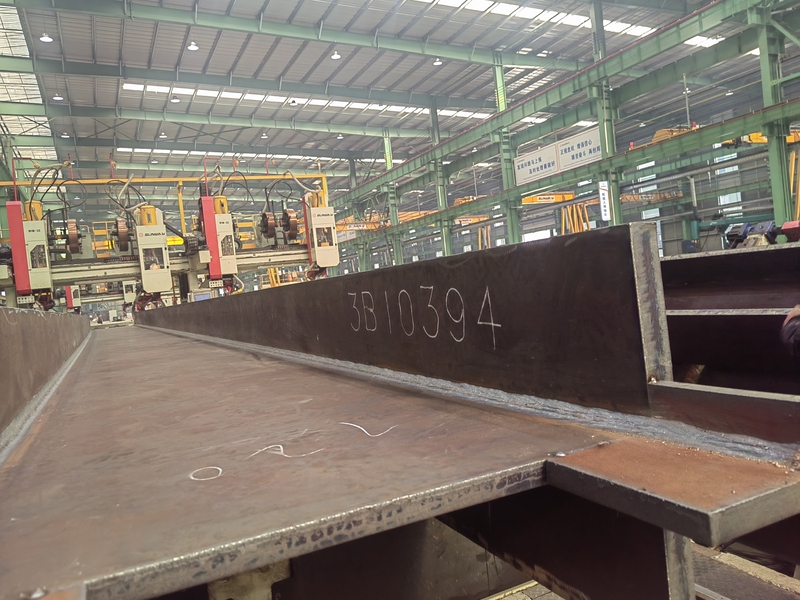
Custom Fabrication of S355JR Welded H-Beams for Construction Projects
- Process : Sheet metal - Welding
- Material : Carbon steel
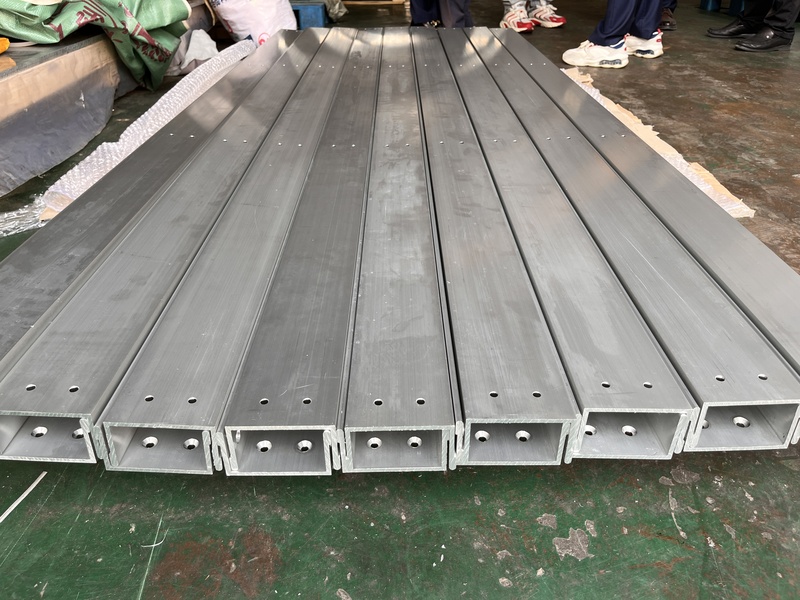
Precision Machining of U-Steel Profiles for Building Applications
- Process : Stamping - General stamping
- Material : Aluminum
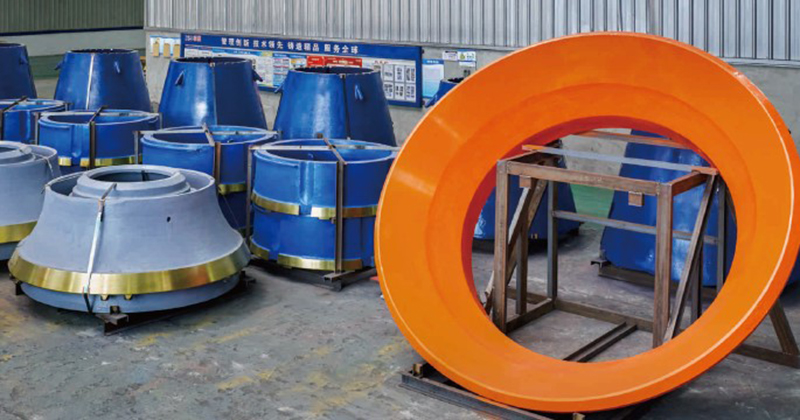
Cone Crusher Mantle
- Process : -
- Material :
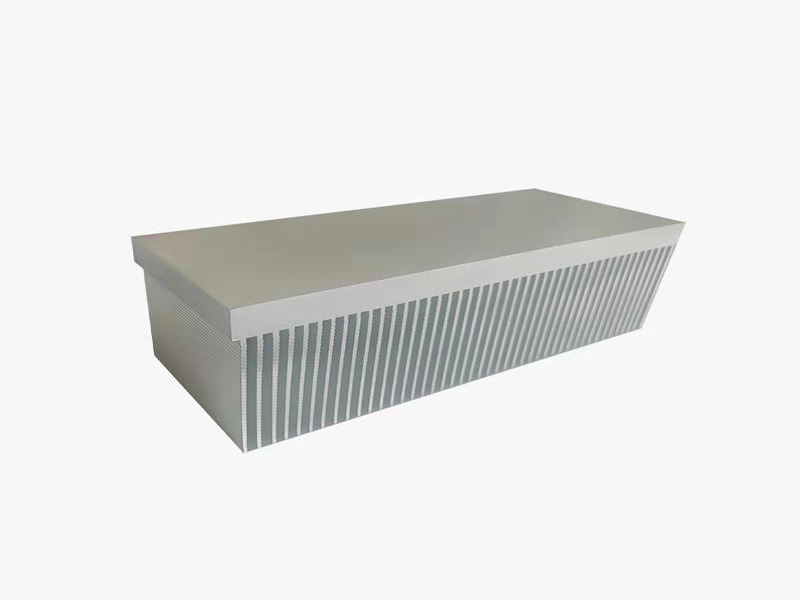
Innovative skiving technology: Breaking through the bottleneck of high-density heat dissipation technology
- Process : Surface treatment - Others
- Material : Alloy steel
More products
MoreWhat are the machining processes used for processing axial fan housings
- Process : Sheet metal - Welding
- Material : Carbon steel
Machining Process Analysis of Carbon Steel Fixed Anchor Plates
- Process : Machining - CNC milling or milling machining
- Material : Carbon steel
Heavy-Walled Flange Milling-Turning Machining and Flaw Detection
- Process : Machining - Turning Milling compound
- Material : Alloy steel
Drill Stabilizers Applied in Oil Drilling Platforms
- Process : Machining - Five-axis machining
- Material : Alloy steel
Custom Fabrication of S355JR Welded H-Beams for Construction Projects
- Process : Sheet metal - Welding
- Material : Carbon steel
Precision Machining of U-Steel Profiles for Building Applications
- Process : Stamping - General stamping
- Material : Aluminum
Cone Crusher Mantle
- Process : -
- Material :
Innovative skiving technology: Breaking through the bottleneck of high-density heat dissipation technology
- Process : Surface treatment - Others
- Material : Alloy steel