Application of Forged Shafts in Energy Equipment
| Product name: | Application of Forged Shafts in Energy Equipment |
| Keywords: | Application of Forged Shafts in Energy Equipment |
| Industry: | Transportation - Aerospace industry |
| Process: | Forging - Die forging |
| Material: | Alloy steel |
Processing manufacturer
- There are 45 manufacturers that provide similar products
- There are 160 manufacturers that provide this processing technology
- There are 120 manufacturers that provide this material processing service
- There are 192 manufacturers that provide this industry processing service
Product details
Key Role in Energy Equipment
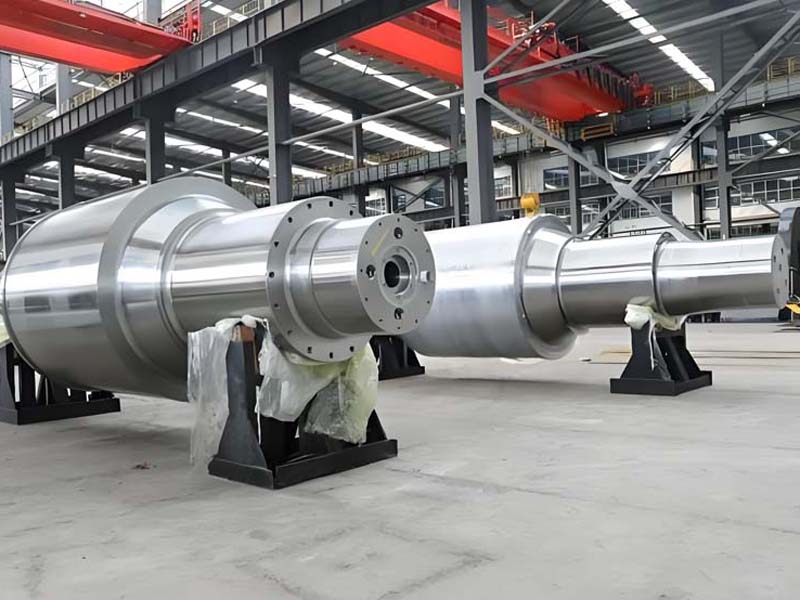
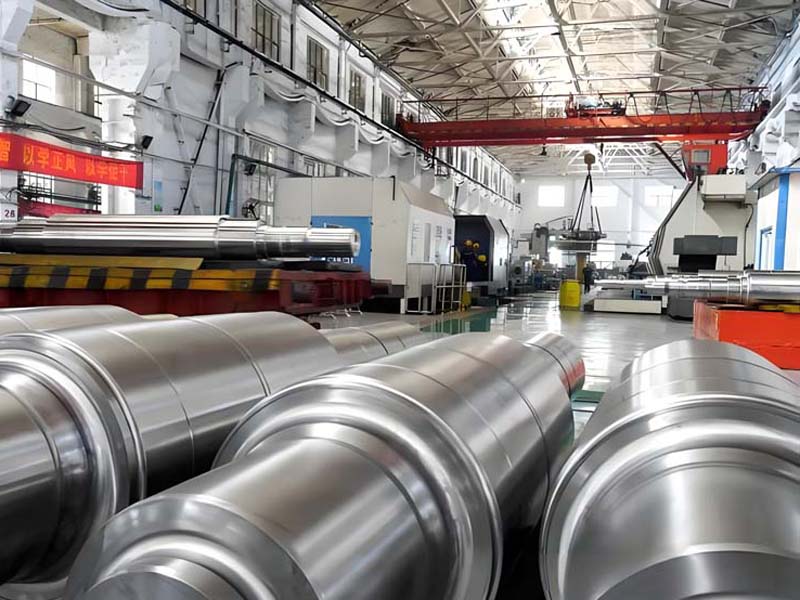
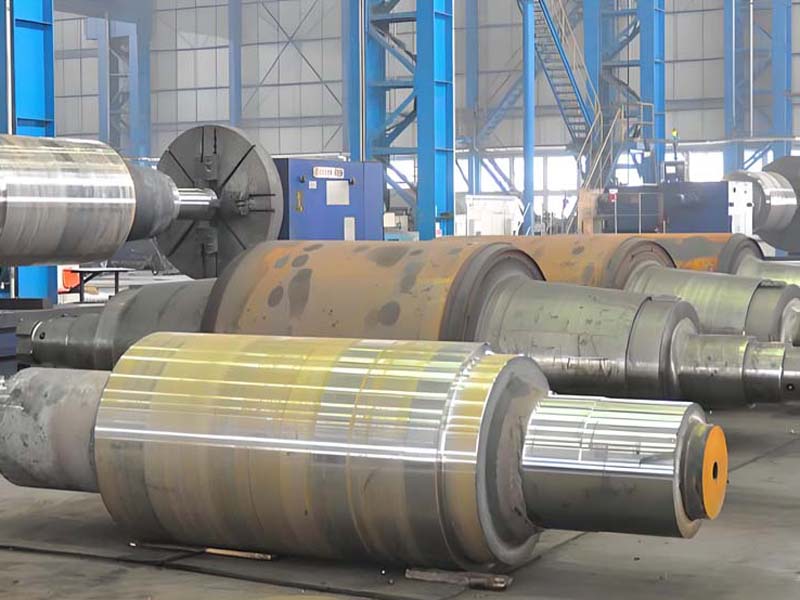
Forged shafts are core components of energy equipment, playing a crucial role in nuclear power, wind power, and hydropower. For example, the main shaft of a nuclear power generator transmits torque, ensuring stable rotor rotation; the wind power main shaft connects the blades and gearbox, bearing complex loads; and the hydropower main shaft transmits turbine energy, ensuring efficient power generation. These applications require forged shafts to have high strength, high toughness, and reliability.
Performance Requirements and Challenges
Forged shafts need to withstand extreme environments, such as high temperatures, high pressures, and alternating loads. In nuclear power, they must resist radiation and corrosion; in wind power, they must cope with variable wind forces; and in hydropower, they must withstand enormous water pressure. Material purity and manufacturing precision are crucial, as any defects can lead to equipment failure.
Industry Trends and Future
With the energy transition, the demand for forged shafts is growing. Companies are optimizing production processes and using clean energy to reduce carbon emissions. Technological innovations such as precision forging and heat treatment are improving performance, driving the industry towards efficiency and environmental protection, and supporting global energy security.
Similar products
More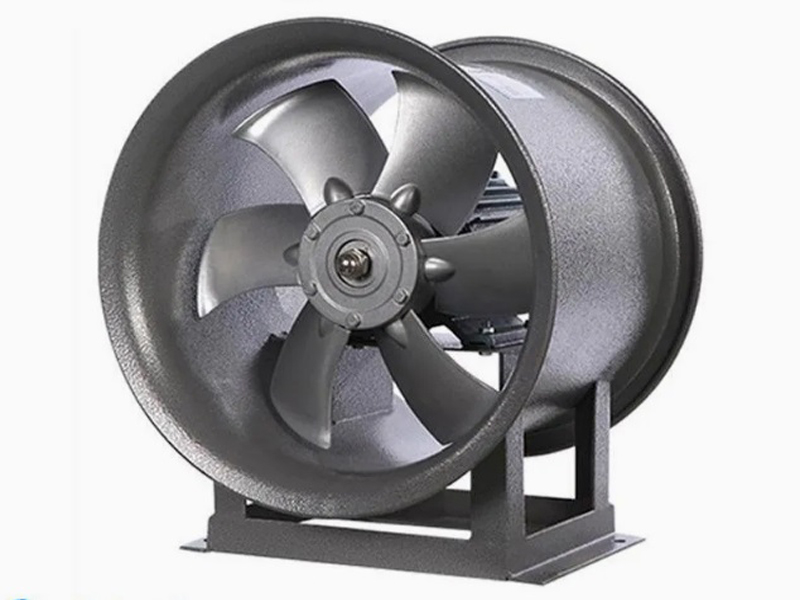
What are the machining processes used for processing axial fan housings
- Process : Sheet metal - Welding
- Material : Carbon steel
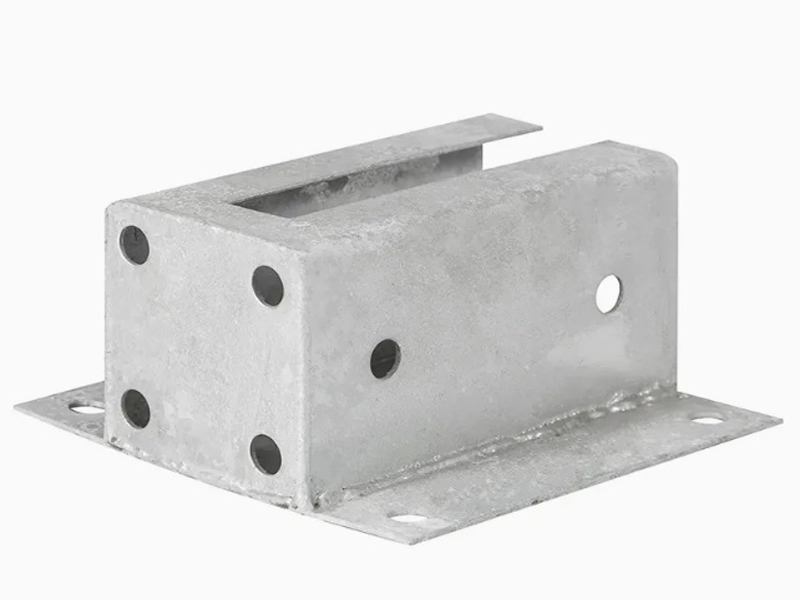
Machining Process Analysis of Carbon Steel Fixed Anchor Plates
- Process : Machining - CNC milling or milling machining
- Material : Carbon steel
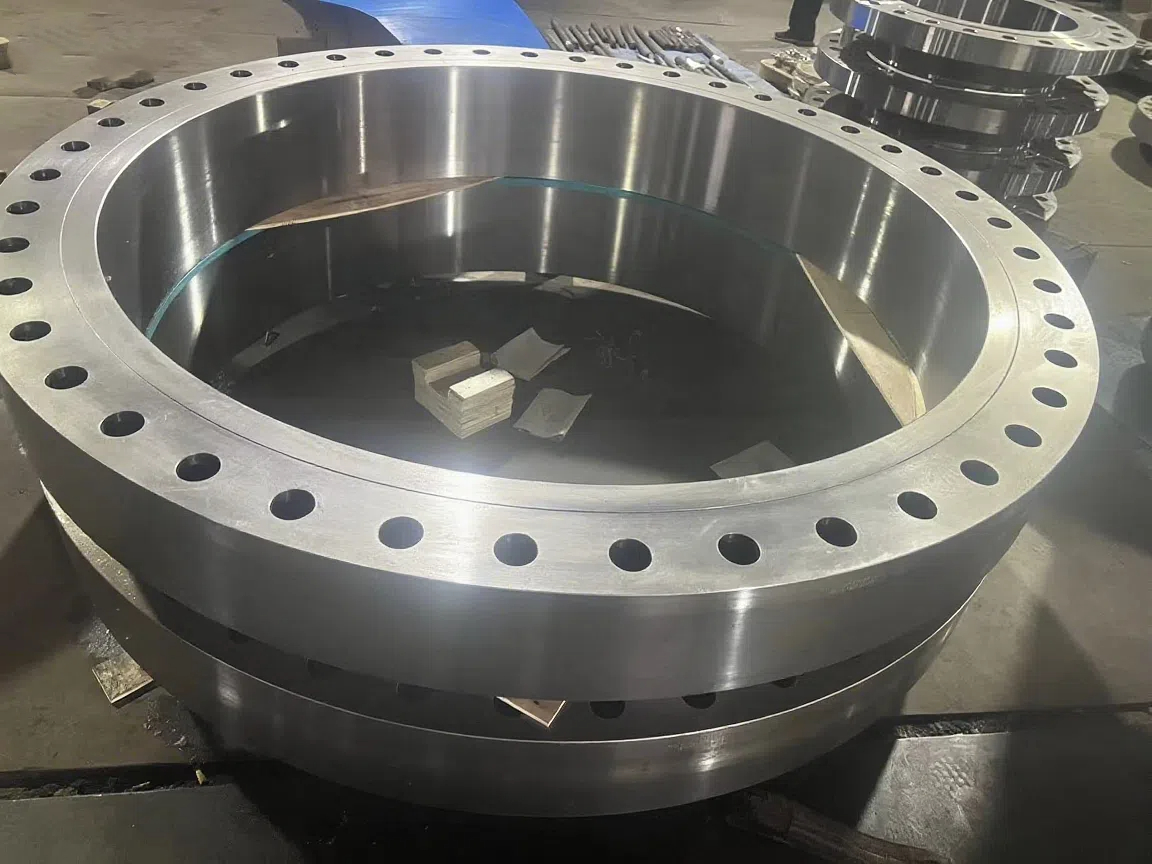
Heavy-Walled Flange Milling-Turning Machining and Flaw Detection
- Process : Machining - Turning Milling compound
- Material : Alloy steel
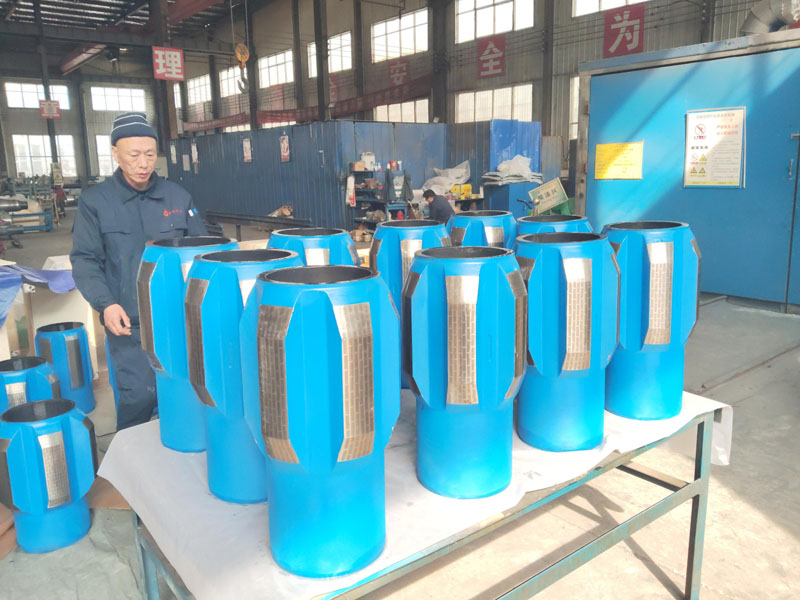
Drill Stabilizers Applied in Oil Drilling Platforms
- Process : Machining - Five-axis machining
- Material : Alloy steel
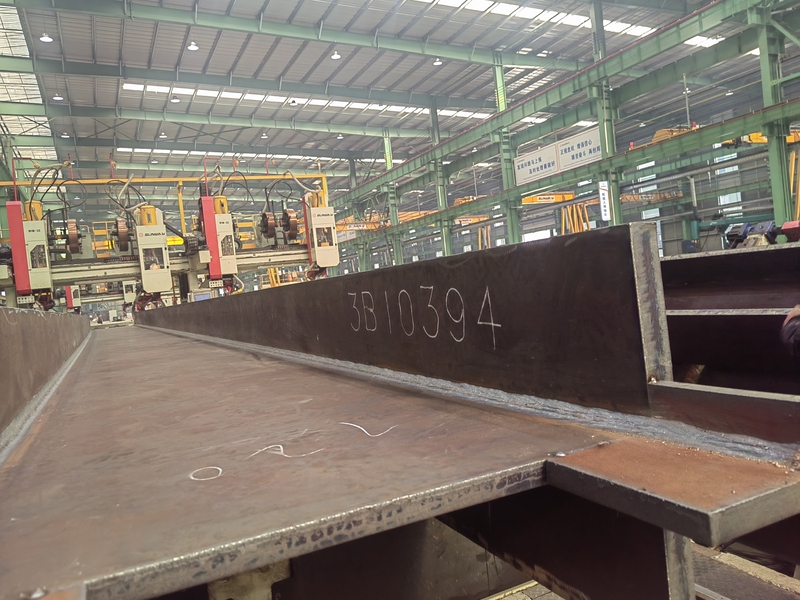
Custom Fabrication of S355JR Welded H-Beams for Construction Projects
- Process : Sheet metal - Welding
- Material : Carbon steel
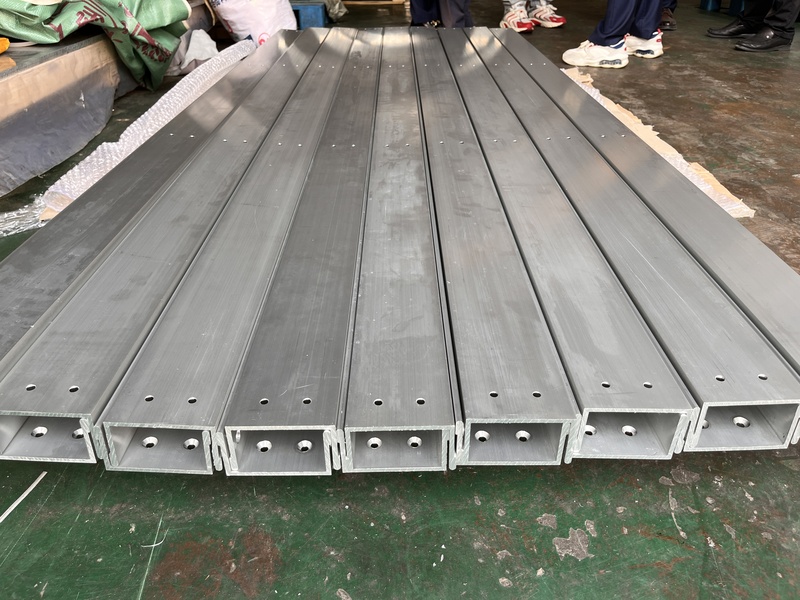
Precision Machining of U-Steel Profiles for Building Applications
- Process : Stamping - General stamping
- Material : Aluminum
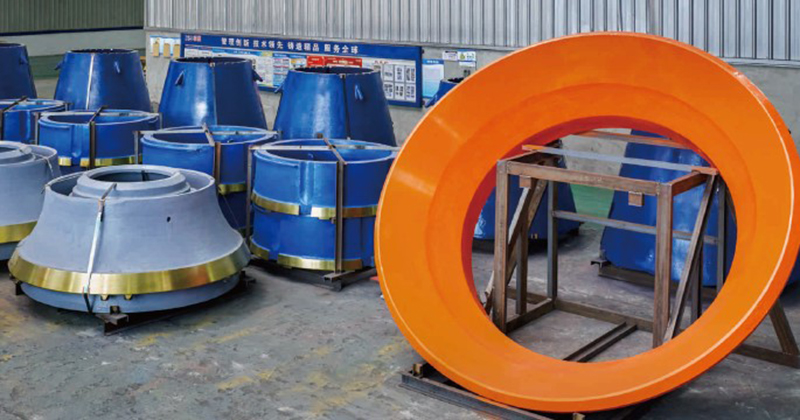
Cone Crusher Mantle
- Process : -
- Material :
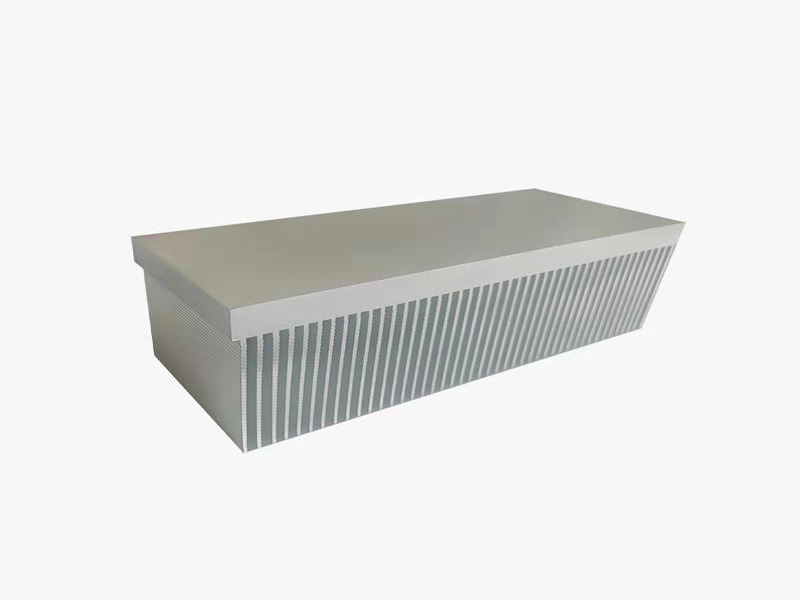
Innovative skiving technology: Breaking through the bottleneck of high-density heat dissipation technology
- Process : Surface treatment - Others
- Material : Alloy steel
More products
MoreWhat are the machining processes used for processing axial fan housings
- Process : Sheet metal - Welding
- Material : Carbon steel
Machining Process Analysis of Carbon Steel Fixed Anchor Plates
- Process : Machining - CNC milling or milling machining
- Material : Carbon steel
Heavy-Walled Flange Milling-Turning Machining and Flaw Detection
- Process : Machining - Turning Milling compound
- Material : Alloy steel
Drill Stabilizers Applied in Oil Drilling Platforms
- Process : Machining - Five-axis machining
- Material : Alloy steel
Custom Fabrication of S355JR Welded H-Beams for Construction Projects
- Process : Sheet metal - Welding
- Material : Carbon steel
Precision Machining of U-Steel Profiles for Building Applications
- Process : Stamping - General stamping
- Material : Aluminum
Cone Crusher Mantle
- Process : -
- Material :
Innovative skiving technology: Breaking through the bottleneck of high-density heat dissipation technology
- Process : Surface treatment - Others
- Material : Alloy steel