What is the purpose of a camshaft?
| Product name: | What is the purpose of a camshaft? |
| Keywords: | Purpose of the camshaft, camshaft design |
| Industry: | Transportation - Automobile manufacturing industry |
| Process: | Heat treatment - Carburizing |
| Material: | Alloy steel |
Processing manufacturer
- There are 45 manufacturers that provide similar products
- There are 194 manufacturers that provide this processing technology
- There are 90 manufacturers that provide this material processing service
- There are 156 manufacturers that provide this industry processing service
Product details
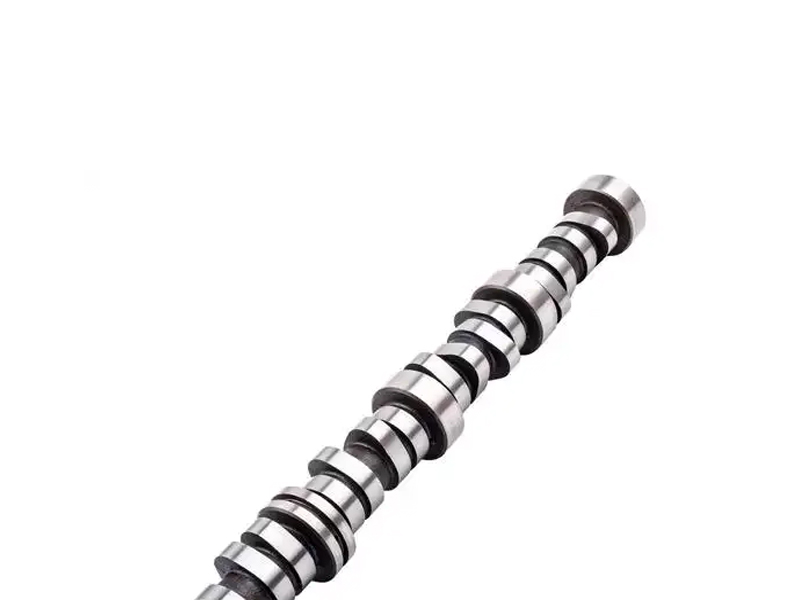
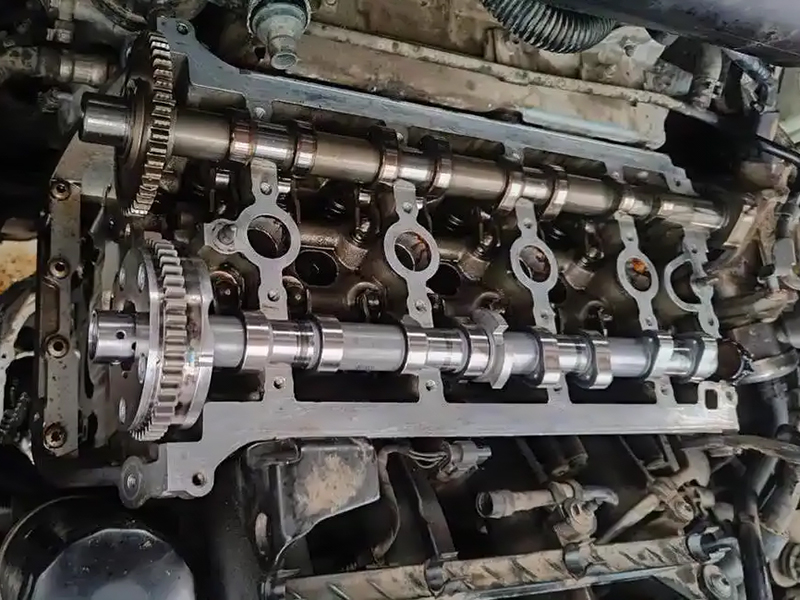
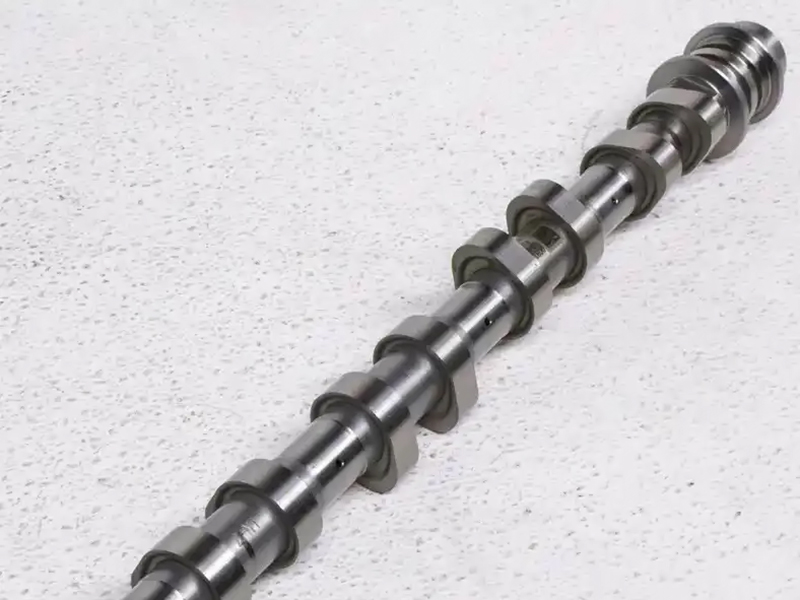
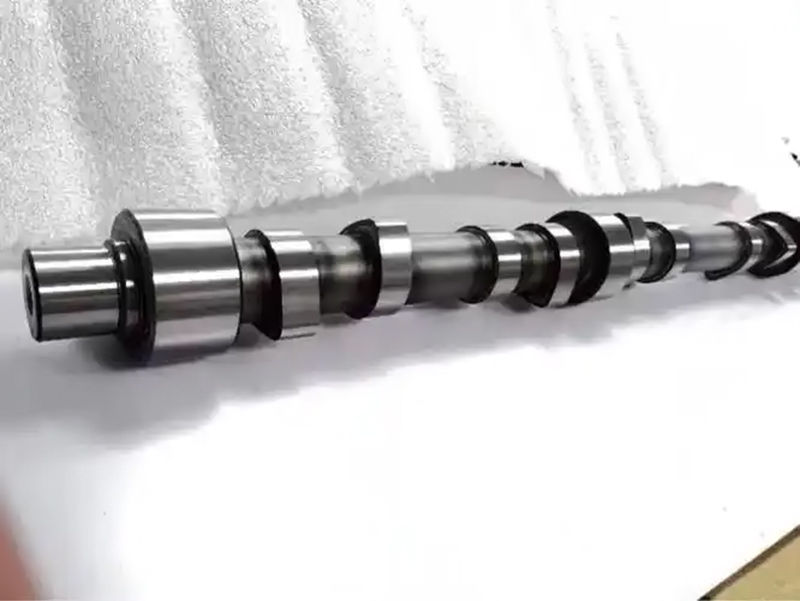
The camshaft rotates in synchronization with the crankshaft, driving the tappets, rocker arms, and other mechanisms via the cams, causing the intake valves to open at the appropriate time to draw in the air-fuel mixture, and the exhaust valves to open at the appropriate time to expel the exhaust gases after combustion.
The design of the camshaft directly affects the engines power output, fuel economy, and emissions levels. Different cam shapes and phase settings can change the duration and angle of valve opening, thereby optimizing engine performance at different speeds.
In summary, the purpose of the camshaft is to precisely control the valve timing process, ensuring efficient and smooth engine operation. It is an indispensable and important component of the car engine.
The design of the camshaft directly affects the engines power output, fuel economy, and emissions levels. Different cam shapes and phase settings can change the duration and angle of valve opening, thereby optimizing engine performance at different speeds.
In summary, the purpose of the camshaft is to precisely control the valve timing process, ensuring efficient and smooth engine operation. It is an indispensable and important component of the car engine.
Previous article : What are the Machining Processes for Camshafts?
Next article : Can You Drive with a Broken Camshaft?
Similar products
More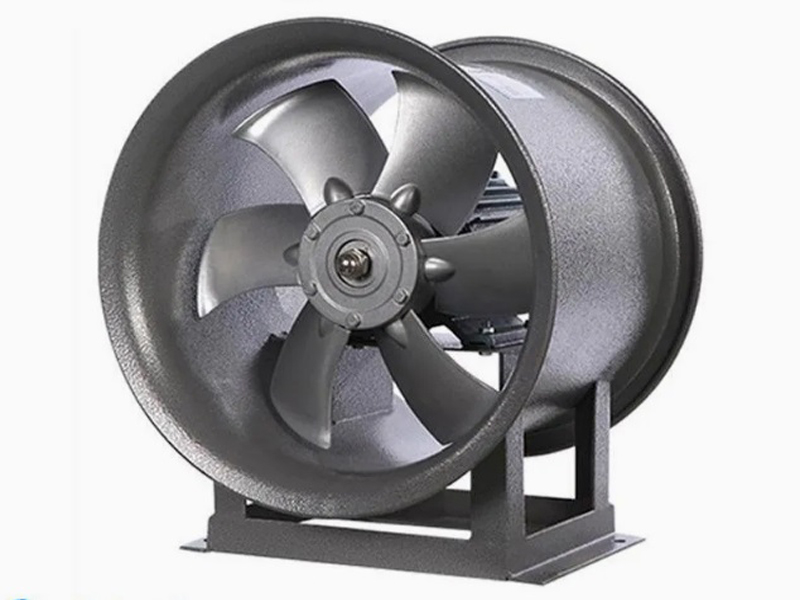
What are the machining processes used for processing axial fan housings
- Process : Sheet metal - Welding
- Material : Carbon steel
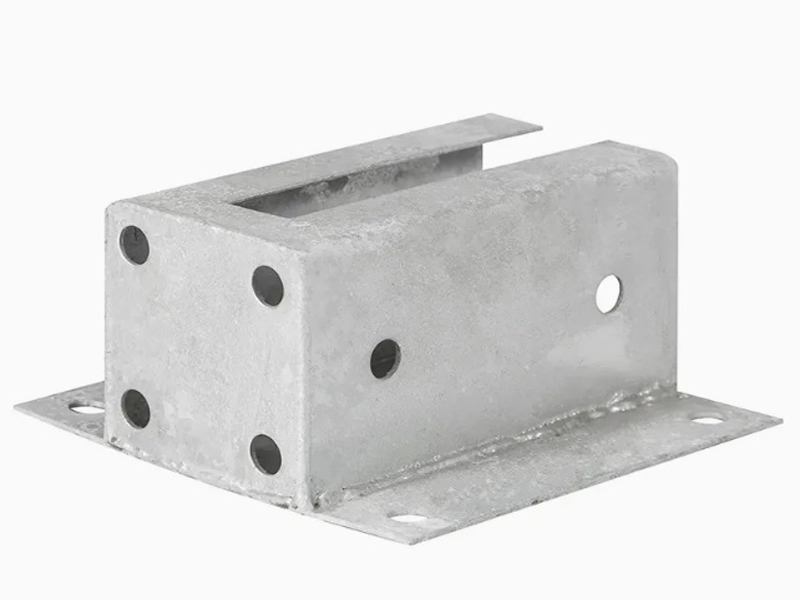
Machining Process Analysis of Carbon Steel Fixed Anchor Plates
- Process : Machining - CNC milling or milling machining
- Material : Carbon steel
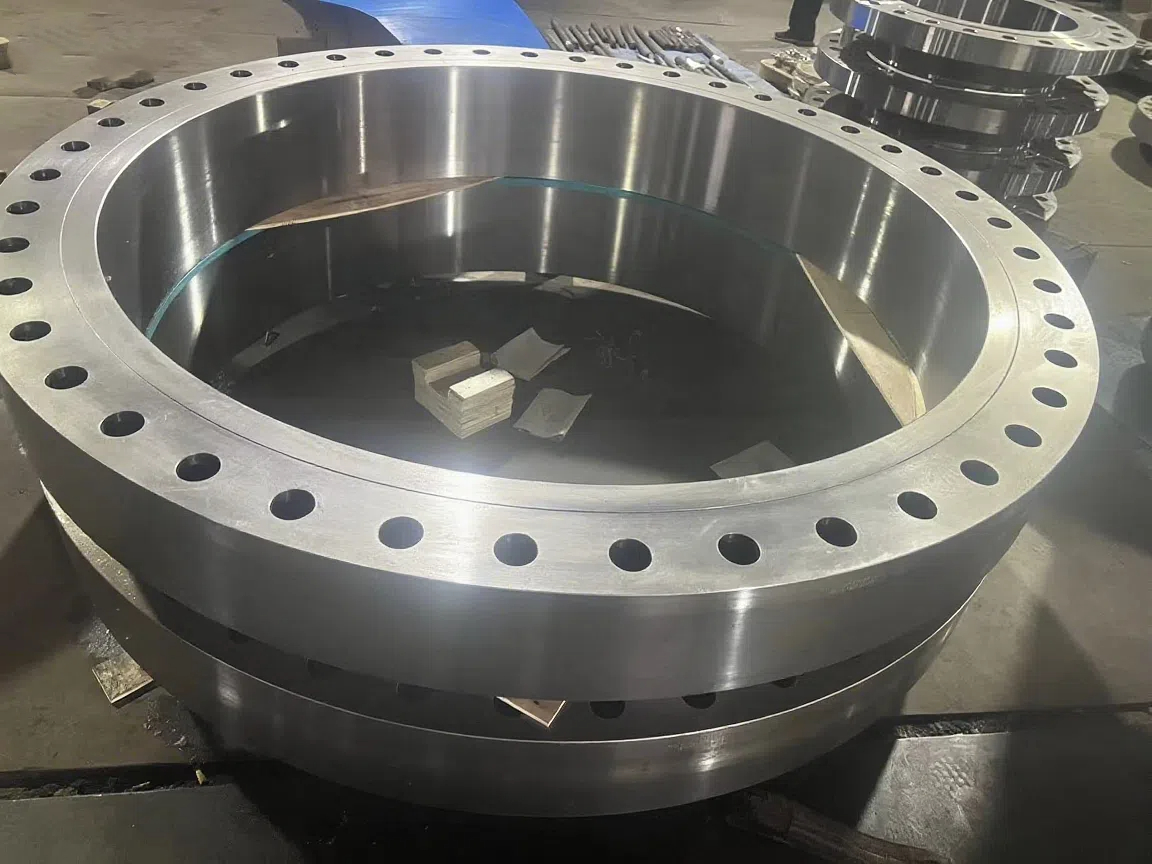
Heavy-Walled Flange Milling-Turning Machining and Flaw Detection
- Process : Machining - Turning Milling compound
- Material : Alloy steel
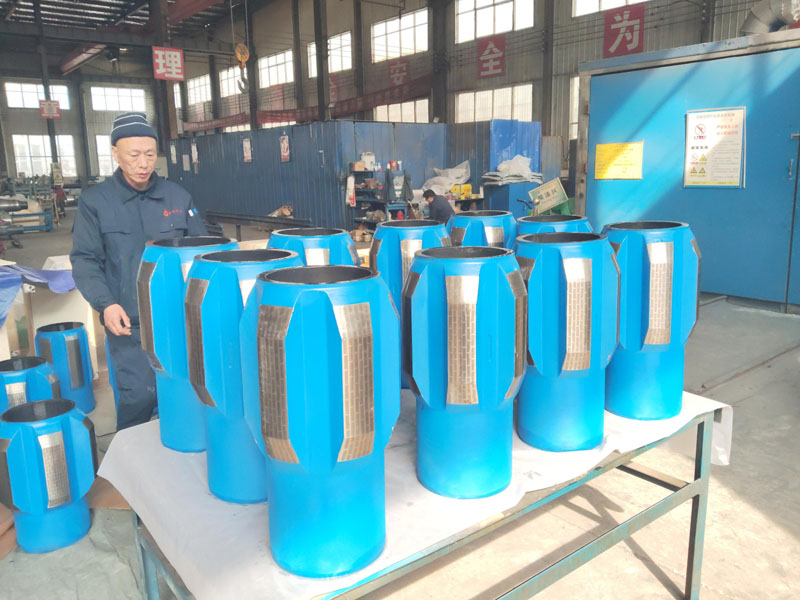
Drill Stabilizers Applied in Oil Drilling Platforms
- Process : Machining - Five-axis machining
- Material : Alloy steel
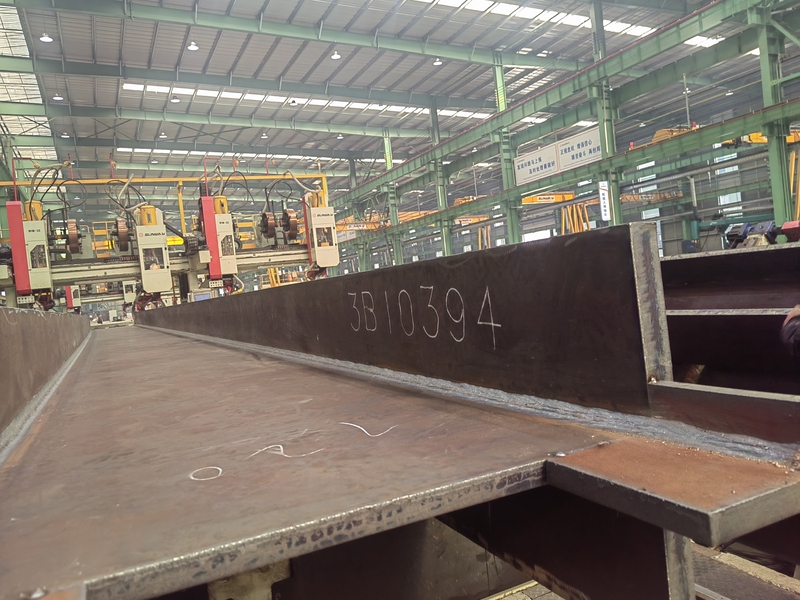
Custom Fabrication of S355JR Welded H-Beams for Construction Projects
- Process : Sheet metal - Welding
- Material : Carbon steel
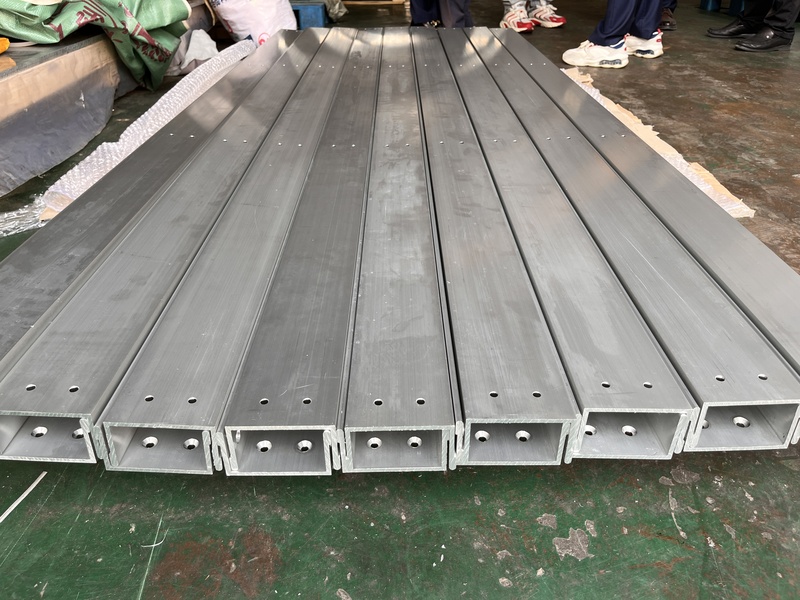
Precision Machining of U-Steel Profiles for Building Applications
- Process : Stamping - General stamping
- Material : Aluminum
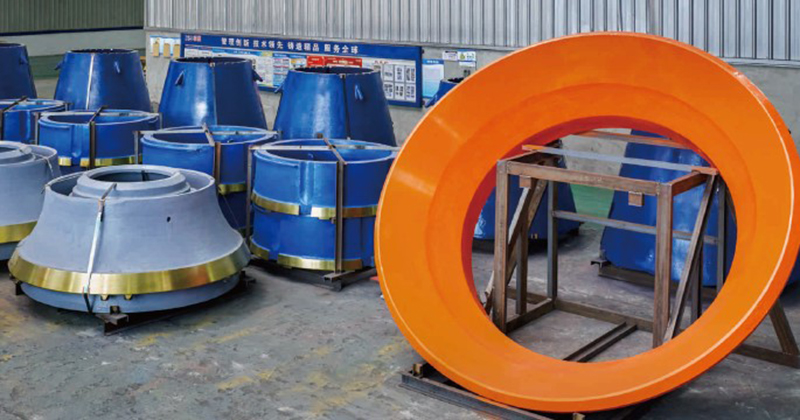
Cone Crusher Mantle
- Process : -
- Material :
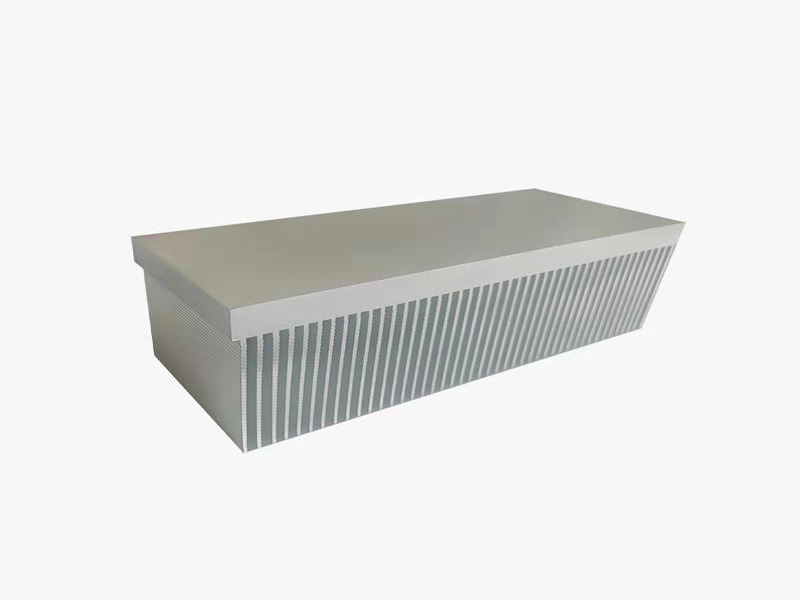
Innovative skiving technology: Breaking through the bottleneck of high-density heat dissipation technology
- Process : Surface treatment - Others
- Material : Alloy steel
More products
MoreWhat are the machining processes used for processing axial fan housings
- Process : Sheet metal - Welding
- Material : Carbon steel
Machining Process Analysis of Carbon Steel Fixed Anchor Plates
- Process : Machining - CNC milling or milling machining
- Material : Carbon steel
Heavy-Walled Flange Milling-Turning Machining and Flaw Detection
- Process : Machining - Turning Milling compound
- Material : Alloy steel
Drill Stabilizers Applied in Oil Drilling Platforms
- Process : Machining - Five-axis machining
- Material : Alloy steel
Custom Fabrication of S355JR Welded H-Beams for Construction Projects
- Process : Sheet metal - Welding
- Material : Carbon steel
Precision Machining of U-Steel Profiles for Building Applications
- Process : Stamping - General stamping
- Material : Aluminum
Cone Crusher Mantle
- Process : -
- Material :
Innovative skiving technology: Breaking through the bottleneck of high-density heat dissipation technology
- Process : Surface treatment - Others
- Material : Alloy steel