What Happens When a Camshaft is Damaged?
| Product name: | What Happens When a Camshaft is Damaged? |
| Keywords: | When a camshaft is damaged, the camshaft itself suffers damage. |
| Industry: | Transportation - Automobile manufacturing industry |
| Process: | Heat treatment - Carburizing |
| Material: | Alloy steel |
Processing manufacturer
- There are 57 manufacturers that provide similar products
- There are 172 manufacturers that provide this processing technology
- There are 112 manufacturers that provide this material processing service
- There are 161 manufacturers that provide this industry processing service
Product details
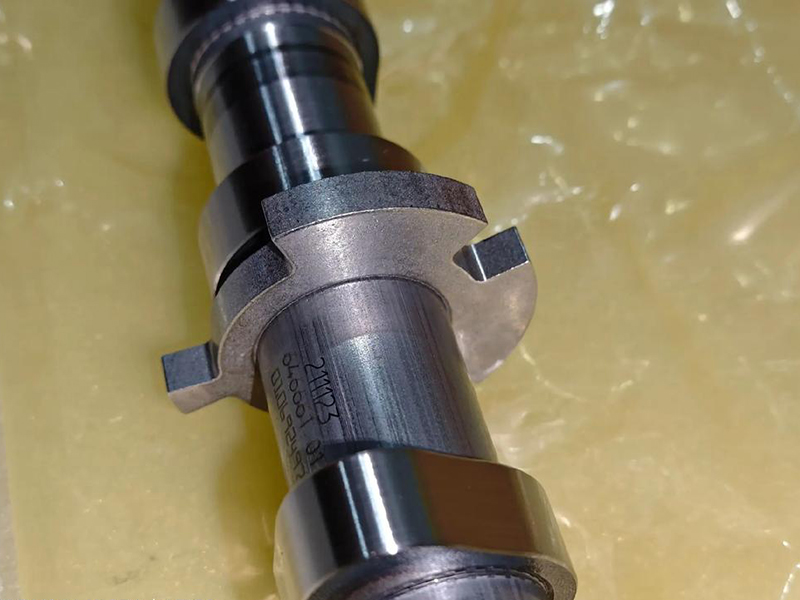
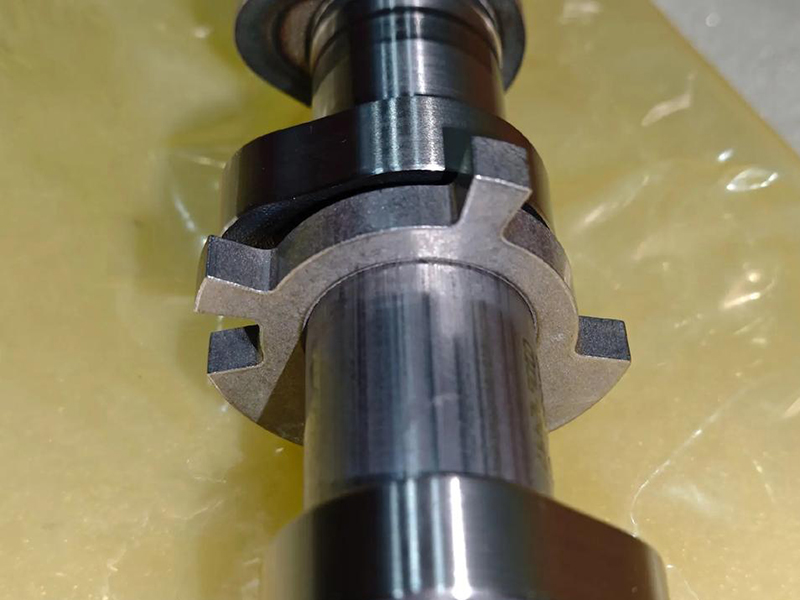
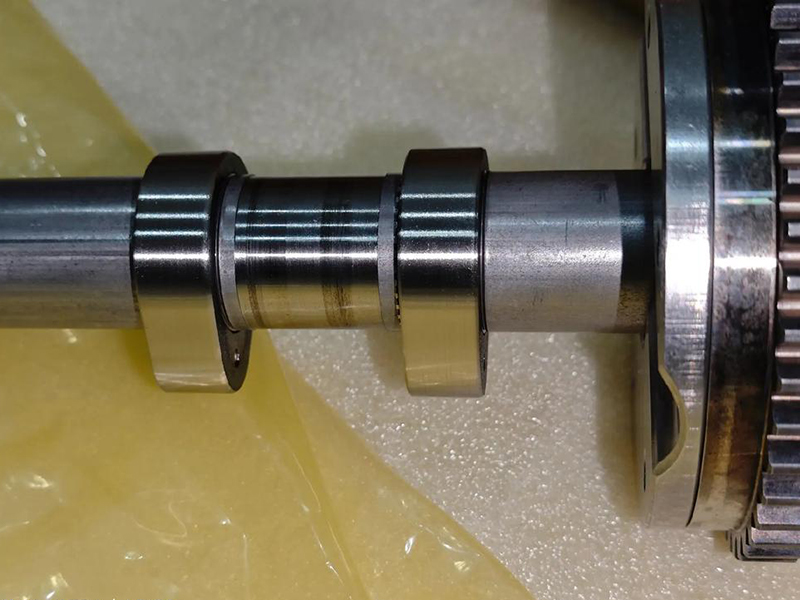
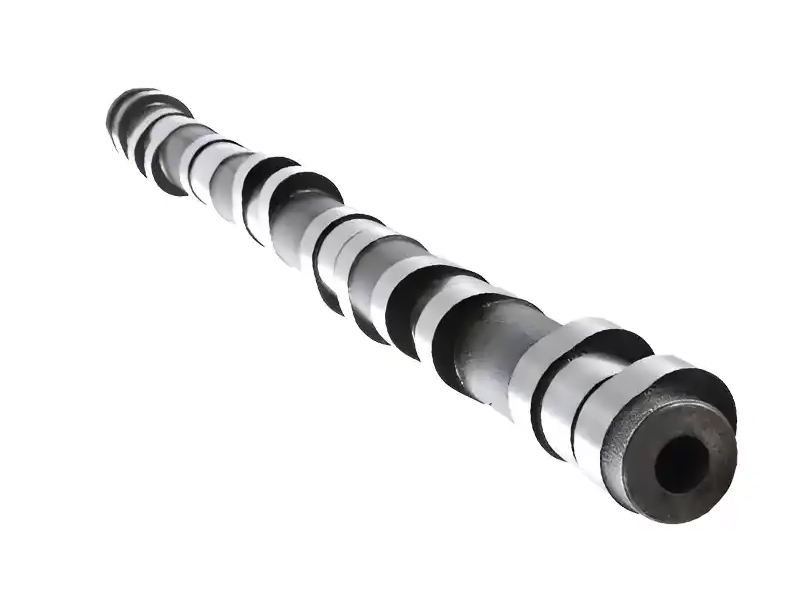
The camshaft controls the opening and closing of valves to achieve precise fuel and air mixture, ensuring efficient engine operation. Once the camshaft is damaged, such as through wear, fracture, or deformation, its valve timing will be misaligned, leading to abnormal valve operation.
When the camshaft is damaged, the engine may experience symptoms such as reduced power, unstable idling, and sluggish acceleration. Due to the disordered intake and exhaust timing, the combustion process will be incomplete, resulting in increased fuel consumption and black smoke from the exhaust. In severe cases, the valves may not open or close properly, causing insufficient air intake or exhaust gas retention in the cylinder.
If camshaft damage is left unaddressed for a long time, wear inside the engine will worsen, and components such as rocker arms and tappets may be damaged, potentially leading to serious failures such as piston-to-valve collision.
Previous article : The Role and Machining Process of Marine Crankshaft Forged Balance Weights
Next article : How to Distinguish Between Forged Flanges and Cast Flanges
Similar products
More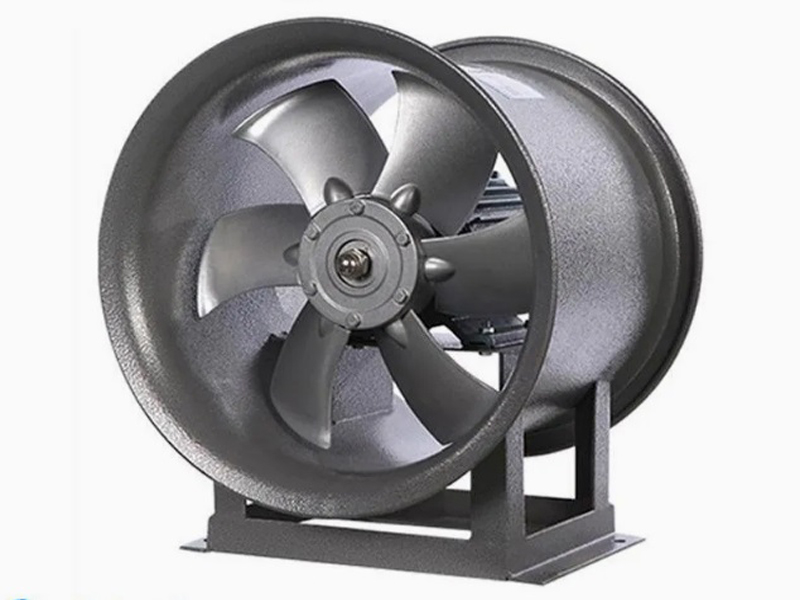
What are the machining processes used for processing axial fan housings
- Process : Sheet metal - Welding
- Material : Carbon steel
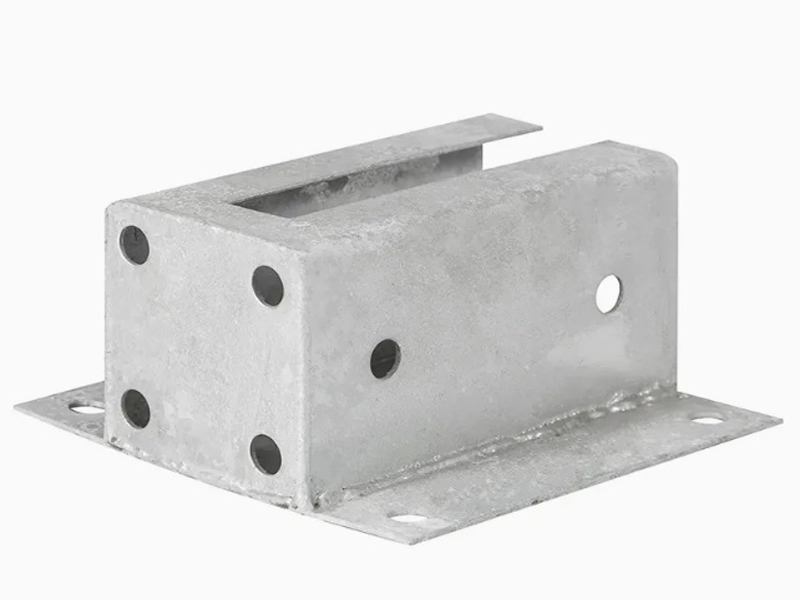
Machining Process Analysis of Carbon Steel Fixed Anchor Plates
- Process : Machining - CNC milling or milling machining
- Material : Carbon steel
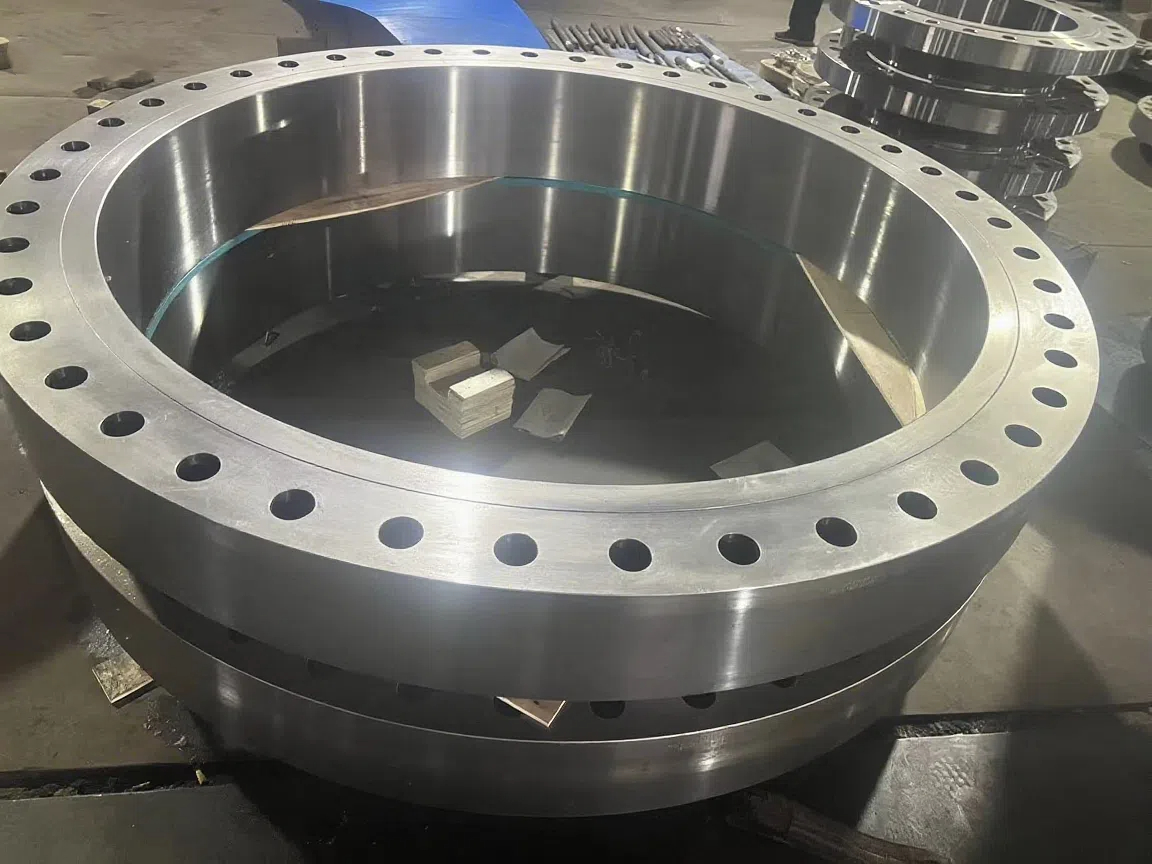
Heavy-Walled Flange Milling-Turning Machining and Flaw Detection
- Process : Machining - Turning Milling compound
- Material : Alloy steel
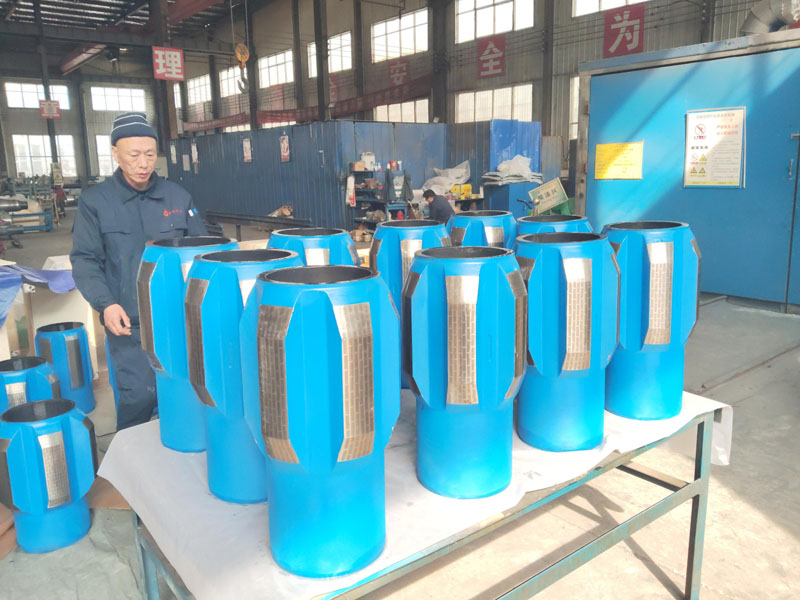
Drill Stabilizers Applied in Oil Drilling Platforms
- Process : Machining - Five-axis machining
- Material : Alloy steel
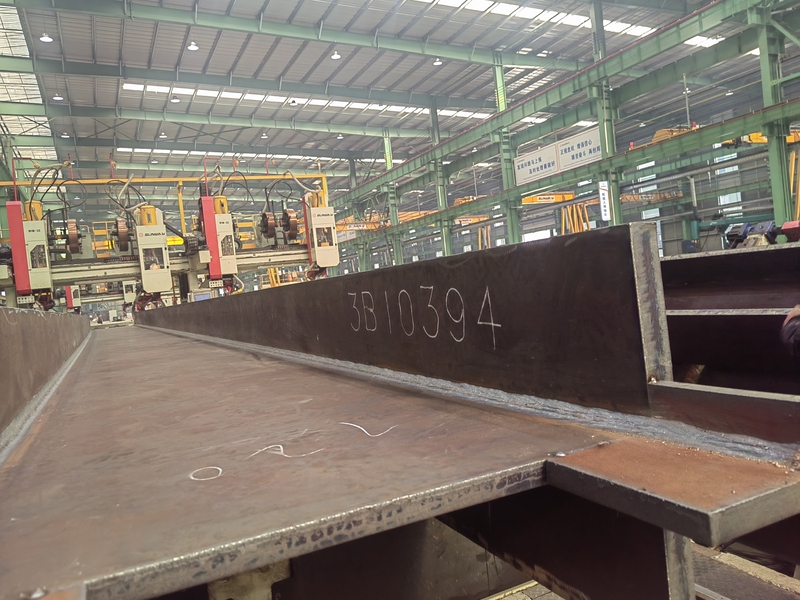
Custom Fabrication of S355JR Welded H-Beams for Construction Projects
- Process : Sheet metal - Welding
- Material : Carbon steel
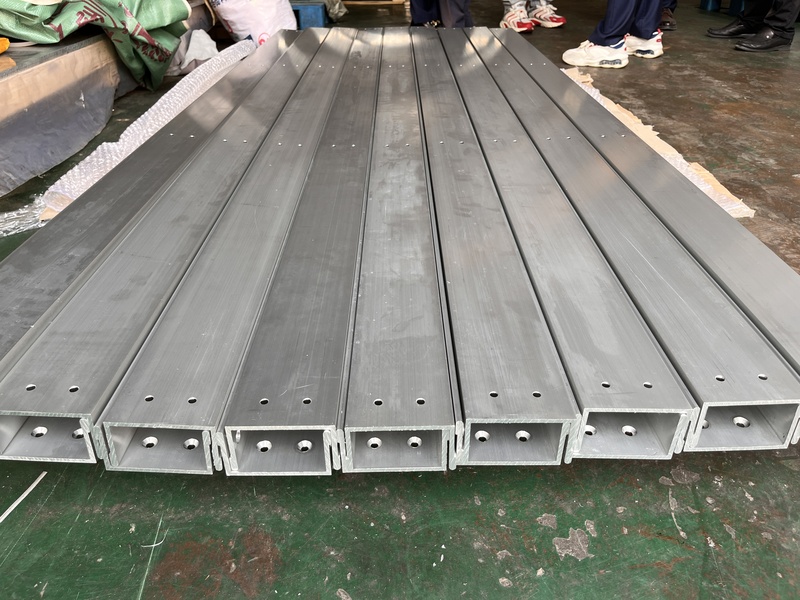
Precision Machining of U-Steel Profiles for Building Applications
- Process : Stamping - General stamping
- Material : Aluminum
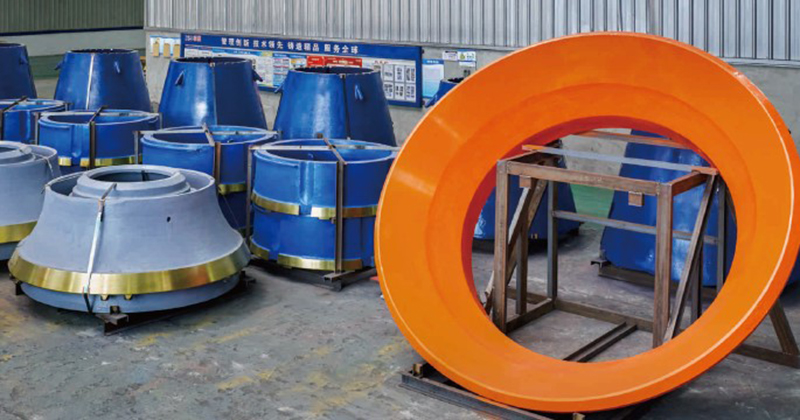
Cone Crusher Mantle
- Process : -
- Material :
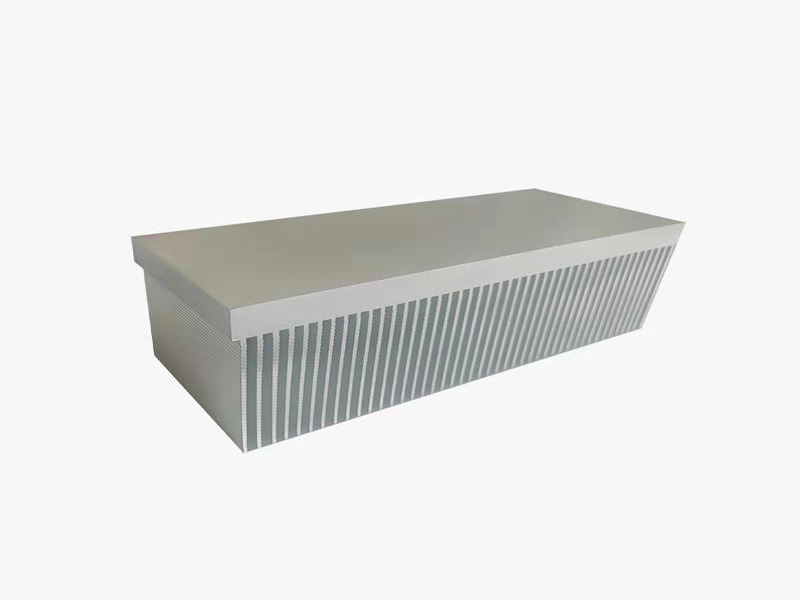
Innovative skiving technology: Breaking through the bottleneck of high-density heat dissipation technology
- Process : Surface treatment - Others
- Material : Alloy steel
More products
MoreWhat are the machining processes used for processing axial fan housings
- Process : Sheet metal - Welding
- Material : Carbon steel
Machining Process Analysis of Carbon Steel Fixed Anchor Plates
- Process : Machining - CNC milling or milling machining
- Material : Carbon steel
Heavy-Walled Flange Milling-Turning Machining and Flaw Detection
- Process : Machining - Turning Milling compound
- Material : Alloy steel
Drill Stabilizers Applied in Oil Drilling Platforms
- Process : Machining - Five-axis machining
- Material : Alloy steel
Custom Fabrication of S355JR Welded H-Beams for Construction Projects
- Process : Sheet metal - Welding
- Material : Carbon steel
Precision Machining of U-Steel Profiles for Building Applications
- Process : Stamping - General stamping
- Material : Aluminum
Cone Crusher Mantle
- Process : -
- Material :
Innovative skiving technology: Breaking through the bottleneck of high-density heat dissipation technology
- Process : Surface treatment - Others
- Material : Alloy steel