What are the types of railway traffic noise barriers?
| Product name: | What are the types of railway traffic noise barriers? |
| Keywords: | Railway traffic noise barriers, curved noise barriers for subways and light rails |
| Industry: | Transportation - Transportation products industry |
| Process: | Sheet metal - Various types of cutting |
| Material: | Carbon steel |
Processing manufacturer
- There are 31 manufacturers that provide similar products
- There are 191 manufacturers that provide this processing technology
- There are 86 manufacturers that provide this material processing service
- There are 107 manufacturers that provide this industry processing service
Product details
Railway traffic noise barriers are facilities used to reduce the impact of noise generated by railway, light rail, subway, and other rail transit systems on the surrounding environment during operation. They are usually installed on both sides of the tracks or on elevated bridges. Noise barriers protect nearby residential areas, schools, or sensitive areas by absorbing, reflecting, or isolating noise.
1. Types of Railway Traffic Noise Barriers
Railway traffic noise barriers can be classified into the following types based on their structural form, materials, installation method, and function:
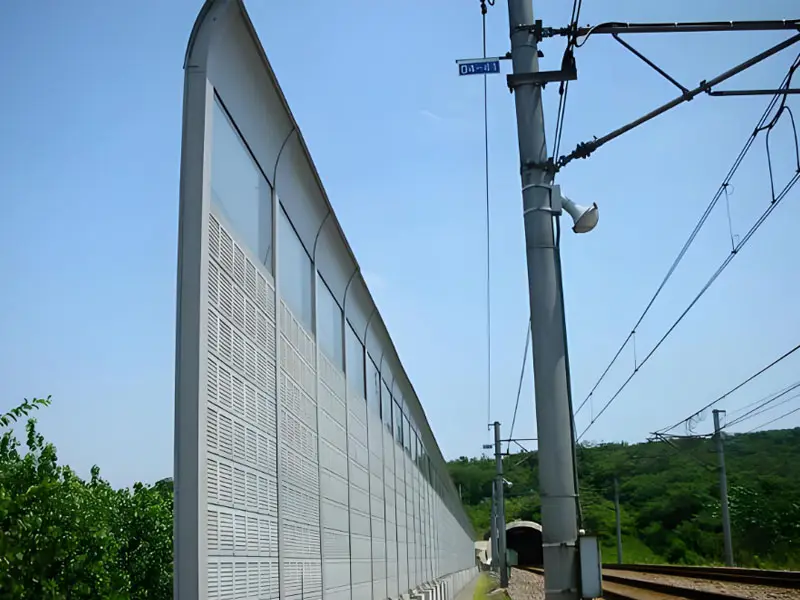
(1) Column-Mounted Noise Barriers
- Features:
- Consist of columns and noise barrier panels. The columns are fixed to the ground or bridge deck, and the barrier panels are inserted into the slots between the columns.
- Typically 2-4 meters high, with modular lengths (2-3 meters per section), suitable for railway lines or elevated bridges.
- Barrier panels are mostly straight or folded plate designs, with optional sound-absorbing caps on top.
- Applicable Scenarios: Urban railways, high-speed railways, elevated subway sections.
- Advantages: Simple structure, easy installation, low maintenance cost, suitable for large-scale deployment.
- Disadvantages: Slightly less adaptable to complex terrain, limited height.
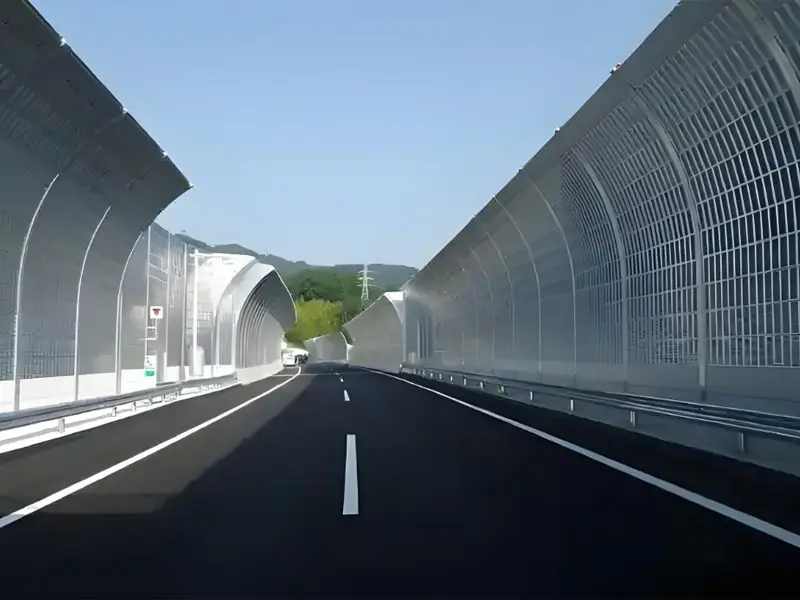
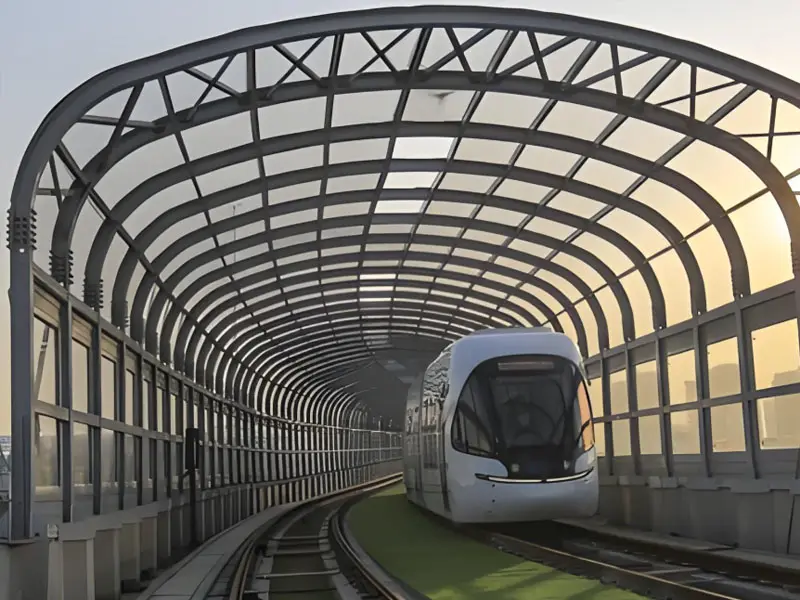
(2) Fully Enclosed Noise Barriers
- Features:
- Completely enclose the track, forming a tunnel-like structure with barrier panels on the top and sides, reaching a height of 5-8 meters.
- Employ a steel structure frame, combined with sound-absorbing panels and transparent panels (such as PC panels or tempered glass).
- Internal ventilation or lighting systems can be added.
- Applicable Scenarios: Noise-sensitive areas (such as near hospitals and schools), or elevated bridges passing through residential areas.
- Advantages: Excellent noise reduction effect (can reduce 20-30 dB), aesthetically pleasing and windproof.
- Disadvantages: High cost, complex construction, special design required for ventilation and lighting.
(3) Semi-Enclosed Noise Barriers
- Features:
- Open at the top, with barrier panels on both sides, 3-5 meters high, balancing noise reduction and ventilation.
- Often use steel structure or concrete columns, with barrier panels made of a combination of sound-absorbing/sound-insulating materials.
- Applicable Scenarios: Urban light rails, suburban railways, areas where noise reduction and air circulation need to be balanced.
- Advantages: Good noise reduction effect (15-25 dB), lower cost than fully enclosed, more flexible construction.
- Disadvantages: Noise leakage from the top, noise reduction effect slightly inferior to fully enclosed.
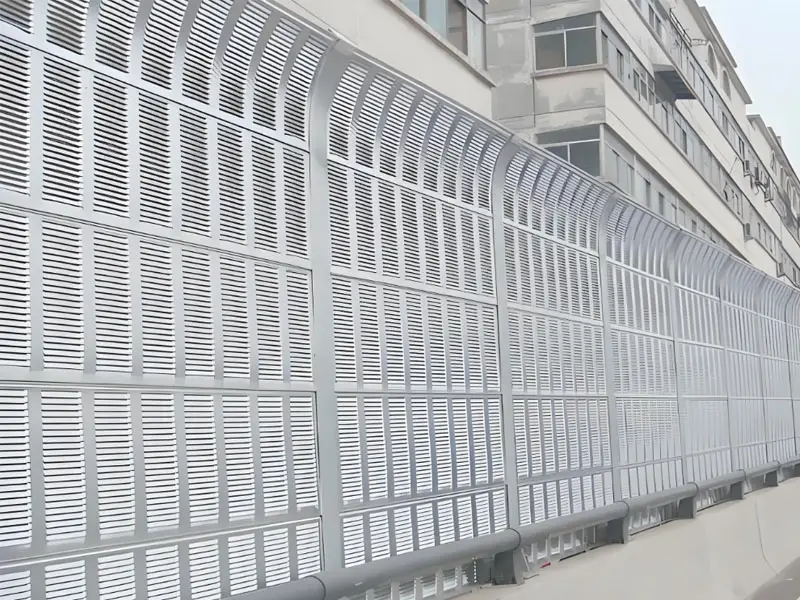
(4) Folded Plate Noise Barriers
- Features:
- Barrier panels adopt a folded or curved design to increase the noise reflection path and improve noise reduction efficiency.
- Sound-absorbing structures (such as mushroom heads or Y-shaped caps) can be added to the top to reduce diffracted noise.
- 2-4 meters high, modular design, easy to install.
- Applicable Scenarios: High-speed railways, urban rail transit, areas with complex terrain.
- Advantages: Excellent noise reduction performance (15-20 dB), aesthetically pleasing, highly adaptable.
- Disadvantages: Higher processing complexity, slightly higher cost.
(5) Embedded Noise Barriers
- Features:
- Barrier panels are embedded in the track subgrade or bridge deck structure, with a lower height (1-2 meters), integrated with the subgrade.
- Mostly use concrete or steel sound-absorbing panels, suitable for low-noise scenarios.
- Applicable Scenarios: Subway tunnel exits, low-speed railways, or lines with low subgrades.
- Advantages: Small footprint, minimal impact on the landscape, simple maintenance.
- Disadvantages: Limited noise reduction effect (10-15 dB), not suitable for high-noise areas.
(6) Landscape Noise Barriers
- Features:
- Combine aesthetic design, using transparent materials (such as PC panels, acrylic) or green vegetation cover, integrated into the urban landscape.
- Barrier panels can be customized with patterns or colors, and photovoltaic panels or green layers can be added to the top.
- Applicable Scenarios: City centers, tourist areas, or rail lines that need to beautify the environment.
- Advantages: Beautiful, enhances the city image while reducing noise, and some have ecological functions.
- Disadvantages: High cost, frequent maintenance of transparent materials (such as cleaning).
2. Material and Structural Characteristics
- Main Materials:
- Steel: Q235/Q345 low-alloy steel, yield strength 235-345 MPa, used for columns and frames, thickness 3-8mm, hot-dip galvanized (60-80μm) or sprayed with anti-corrosion coating.
- Aluminum Alloy: 6061/6063, density 2700 kg/m³, lightweight design, surface anodized (film thickness 10-20μm).
- Sound-Absorbing Materials: Glass wool, rock wool, or porous foam aluminum, sound absorption coefficient NRC 0.7-0.9, thickness 50-100mm.
- Sound-Insulating Materials: Steel plates, concrete panels, or composite panels, sound insulation 20-30 dB.
- Transparent Materials: PC panels (polycarbonate, thickness 5-10mm) or tempered glass (6-12mm), light transmittance >80%, impact resistance.
- Structural Design:
- Columns: H-shaped steel or cylindrical columns, spacing 2-3 meters, foundation is concrete (C25-C30) or pre-embedded bolts.
- Barrier Panels: Modular design, size 2x0.5m to 3x1m, sound-absorbing/sound-insulating layer composite, surface with protective net to prevent bird strikes.
- Noise Reduction Performance: Sound absorption coefficient NRC≥0.7, sound insulation 15-30 dB, overall noise reduction 10-25 dB.
- Wind Load Resistance: Design wind load 1.0-1.5 kN/m², seismic resistance complies with the "Railway Engineering Seismic Design Code".
Previous article : Comparison of Residual Stress Relief Processes for Crude Oil Storage Tank Roof Plates
Next article : Aerospace Landing Gear Piston Rod
Similar products
More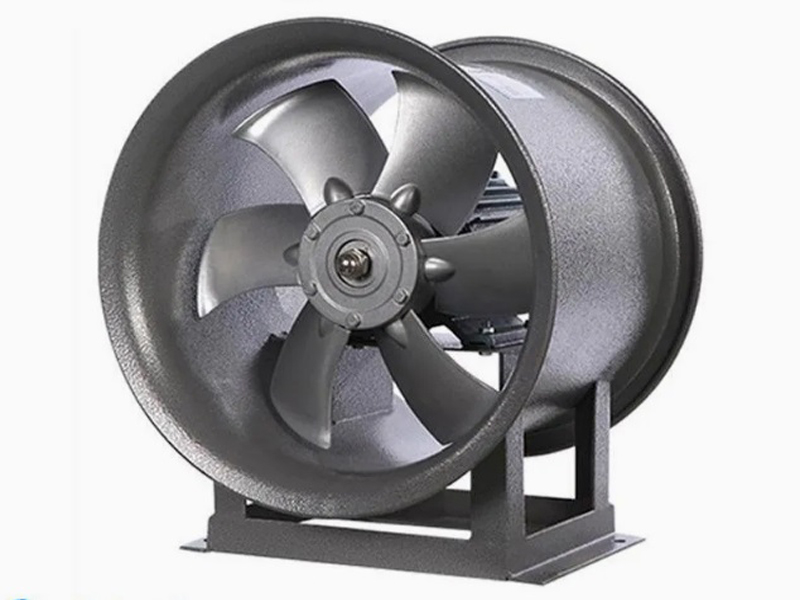
What are the machining processes used for processing axial fan housings
- Process : Sheet metal - Welding
- Material : Carbon steel
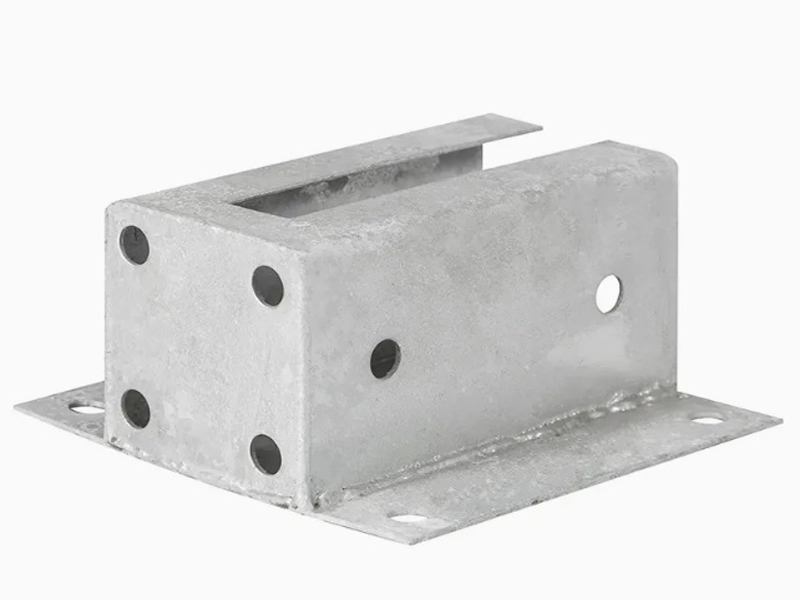
Machining Process Analysis of Carbon Steel Fixed Anchor Plates
- Process : Machining - CNC milling or milling machining
- Material : Carbon steel
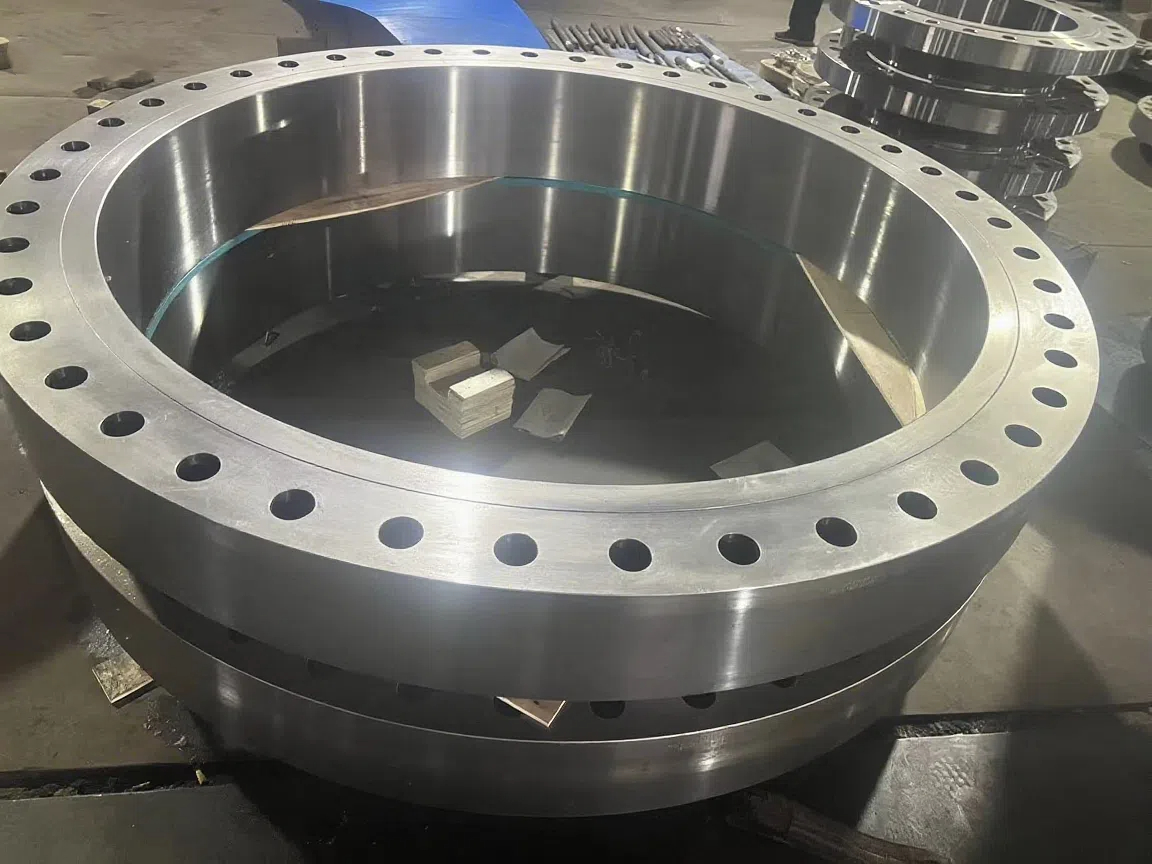
Heavy-Walled Flange Milling-Turning Machining and Flaw Detection
- Process : Machining - Turning Milling compound
- Material : Alloy steel
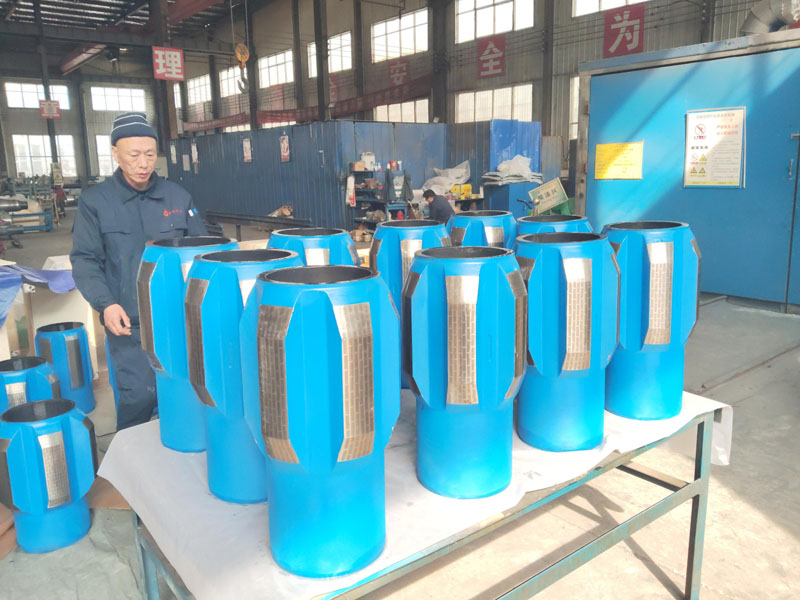
Drill Stabilizers Applied in Oil Drilling Platforms
- Process : Machining - Five-axis machining
- Material : Alloy steel
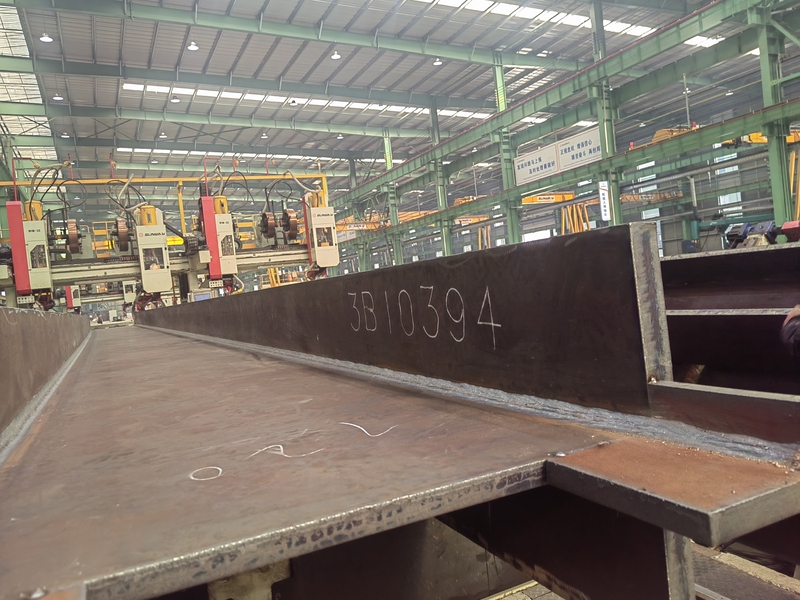
Custom Fabrication of S355JR Welded H-Beams for Construction Projects
- Process : Sheet metal - Welding
- Material : Carbon steel
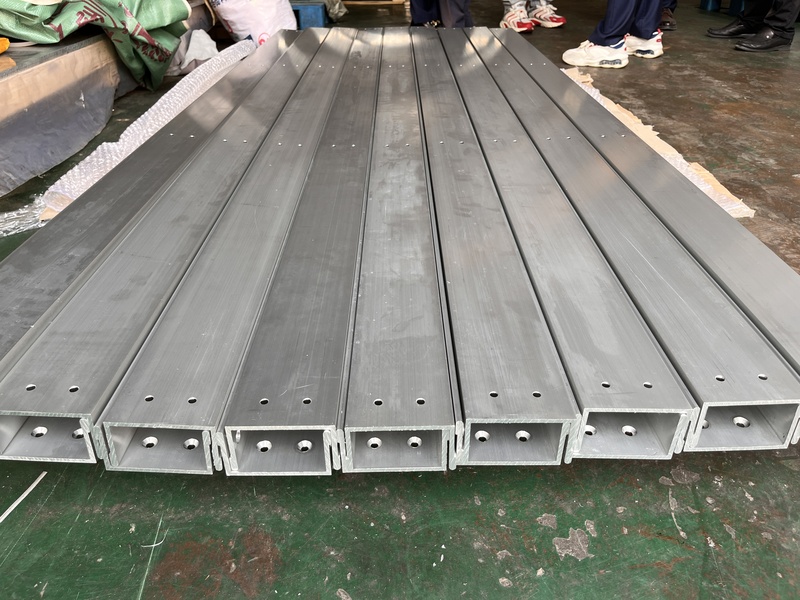
Precision Machining of U-Steel Profiles for Building Applications
- Process : Stamping - General stamping
- Material : Aluminum
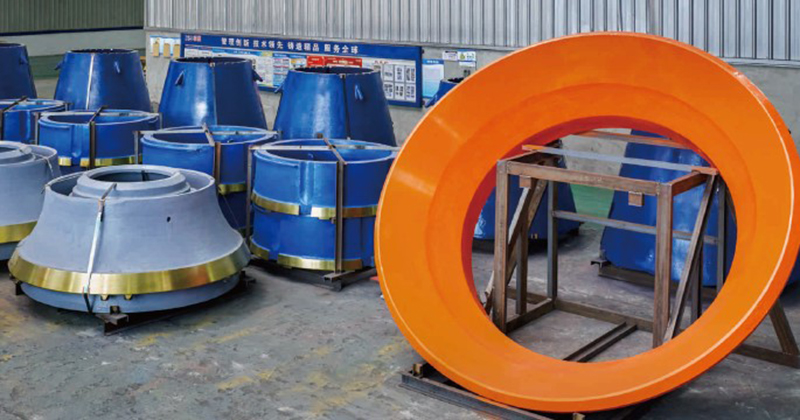
Cone Crusher Mantle
- Process : -
- Material :
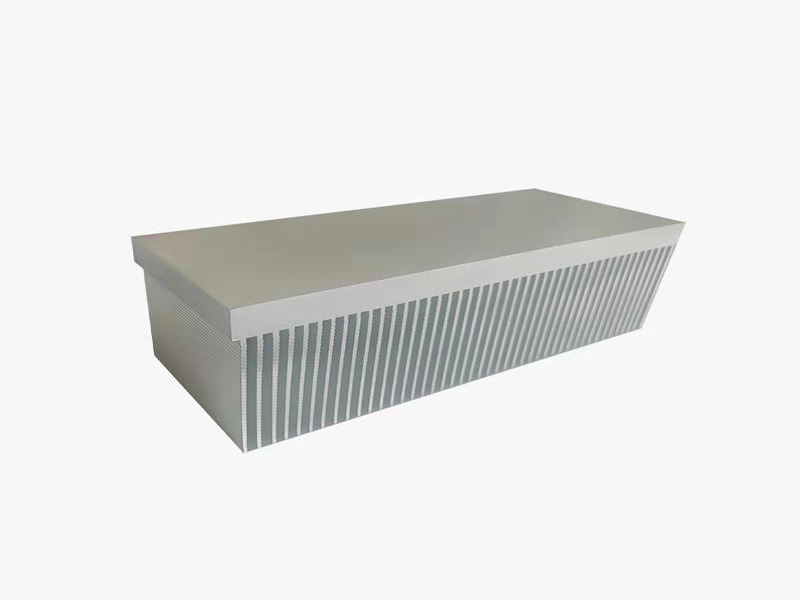
Innovative skiving technology: Breaking through the bottleneck of high-density heat dissipation technology
- Process : Surface treatment - Others
- Material : Alloy steel
More products
MoreWhat are the machining processes used for processing axial fan housings
- Process : Sheet metal - Welding
- Material : Carbon steel
Machining Process Analysis of Carbon Steel Fixed Anchor Plates
- Process : Machining - CNC milling or milling machining
- Material : Carbon steel
Heavy-Walled Flange Milling-Turning Machining and Flaw Detection
- Process : Machining - Turning Milling compound
- Material : Alloy steel
Drill Stabilizers Applied in Oil Drilling Platforms
- Process : Machining - Five-axis machining
- Material : Alloy steel
Custom Fabrication of S355JR Welded H-Beams for Construction Projects
- Process : Sheet metal - Welding
- Material : Carbon steel
Precision Machining of U-Steel Profiles for Building Applications
- Process : Stamping - General stamping
- Material : Aluminum
Cone Crusher Mantle
- Process : -
- Material :
Innovative skiving technology: Breaking through the bottleneck of high-density heat dissipation technology
- Process : Surface treatment - Others
- Material : Alloy steel