What are the Manufacturing Processes for Engine Crankshafts?
| Product name: | What are the Manufacturing Processes for Engine Crankshafts? |
| Keywords: | Crankshaft Manufacturing Processes, Engine Crankshaft Machining |
| Industry: | Transportation - Automobile manufacturing industry |
| Process: | Forging - Others |
| Material: | Alloy steel |
Processing manufacturer
- There are 48 manufacturers that provide similar products
- There are 159 manufacturers that provide this processing technology
- There are 60 manufacturers that provide this material processing service
- There are 176 manufacturers that provide this industry processing service
Product details
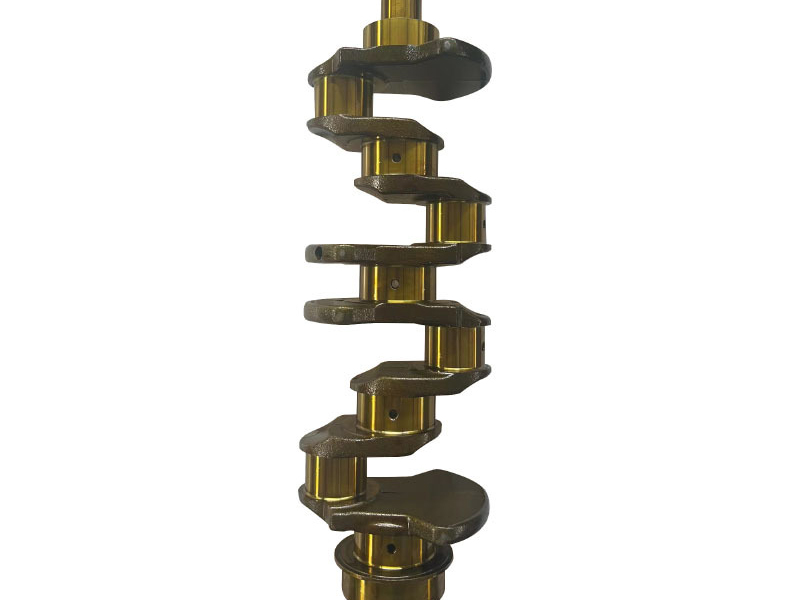
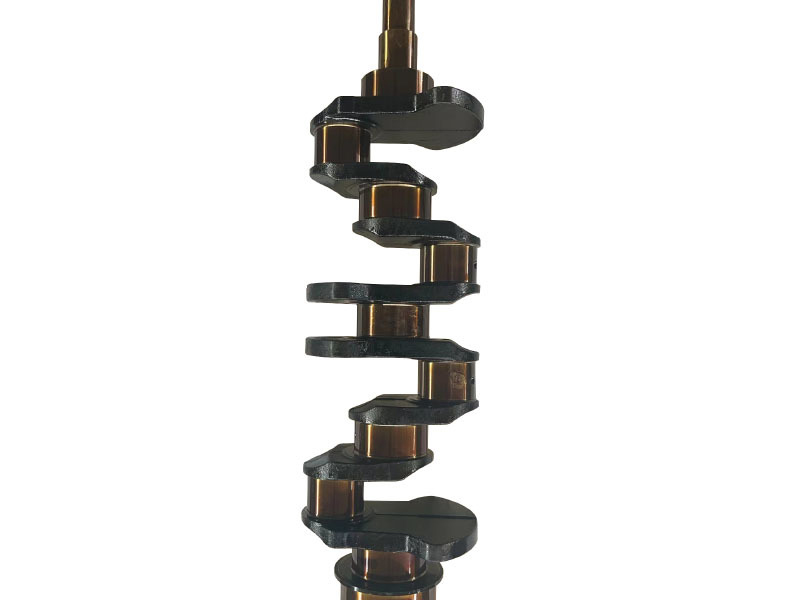
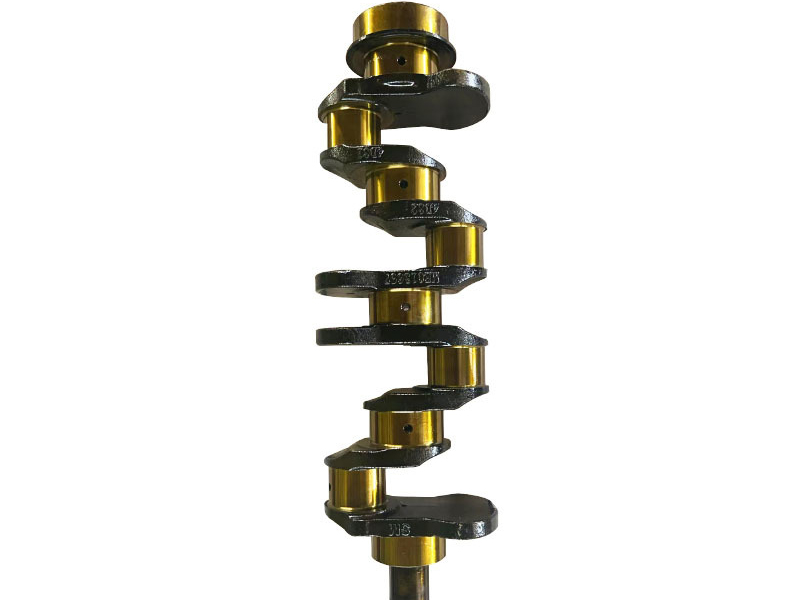
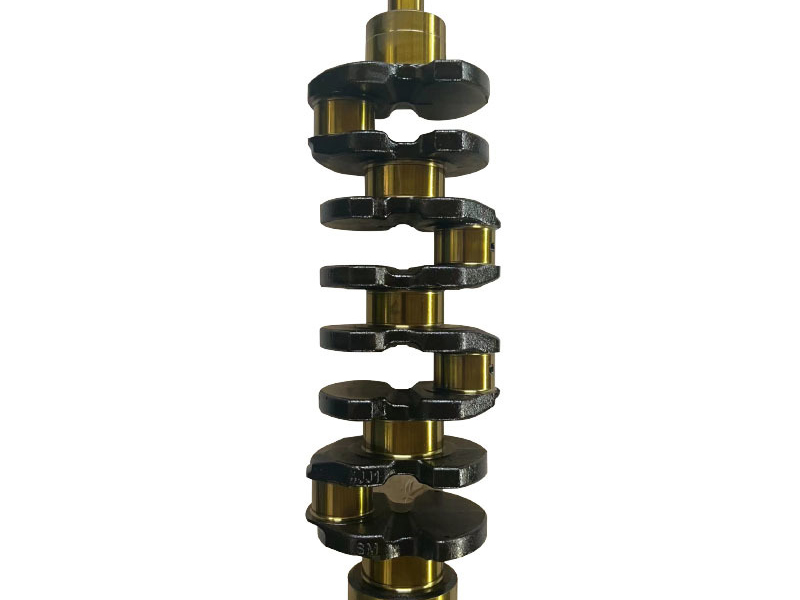
The manufacturing processes for engine crankshafts are diverse, encompassing forging, turning, grinding, drilling, milling, quenching, tempering, and more.
Forging provides the crankshaft with high strength and good toughness, enhancing its load-bearing capacity. Turning and grinding ensure dimensional accuracy and surface quality of the outer diameter and journals. Drilling and milling are used to machine specific areas. Quenching increases surface hardness, and tempering eliminates internal stresses from quenching.
These processes each have their purpose and together ensure the high-quality production of engine crankshafts, enabling them to function stably and reliably in engines.
Forging provides the crankshaft with high strength and good toughness, enhancing its load-bearing capacity. Turning and grinding ensure dimensional accuracy and surface quality of the outer diameter and journals. Drilling and milling are used to machine specific areas. Quenching increases surface hardness, and tempering eliminates internal stresses from quenching.
These processes each have their purpose and together ensure the high-quality production of engine crankshafts, enabling them to function stably and reliably in engines.
Similar products
More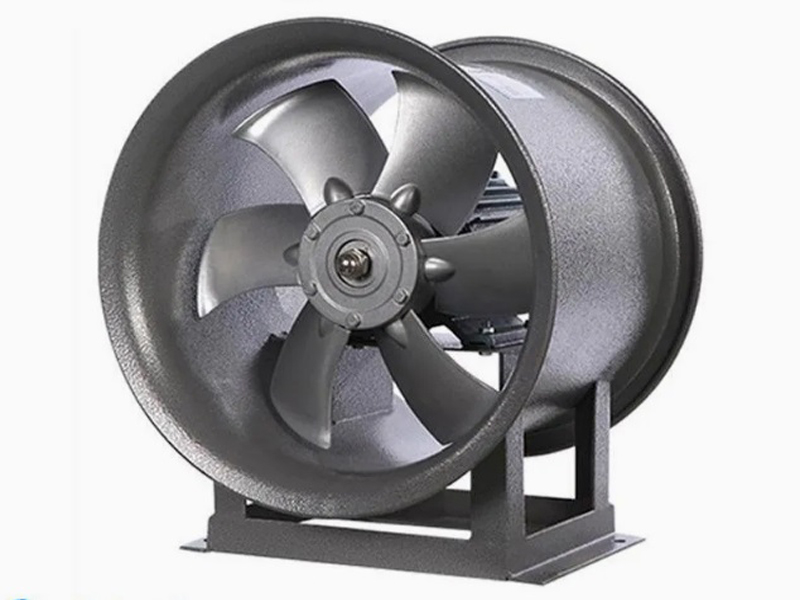
What are the machining processes used for processing axial fan housings
- Process : Sheet metal - Welding
- Material : Carbon steel
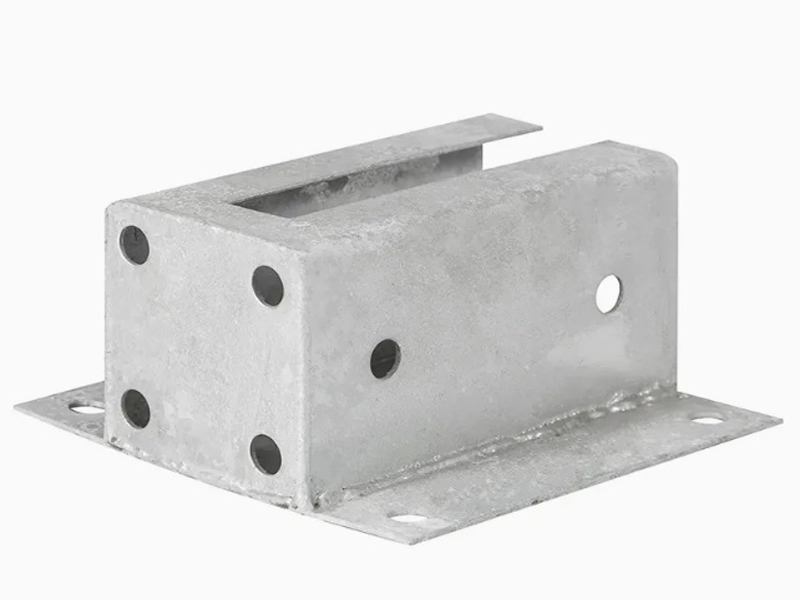
Machining Process Analysis of Carbon Steel Fixed Anchor Plates
- Process : Machining - CNC milling or milling machining
- Material : Carbon steel
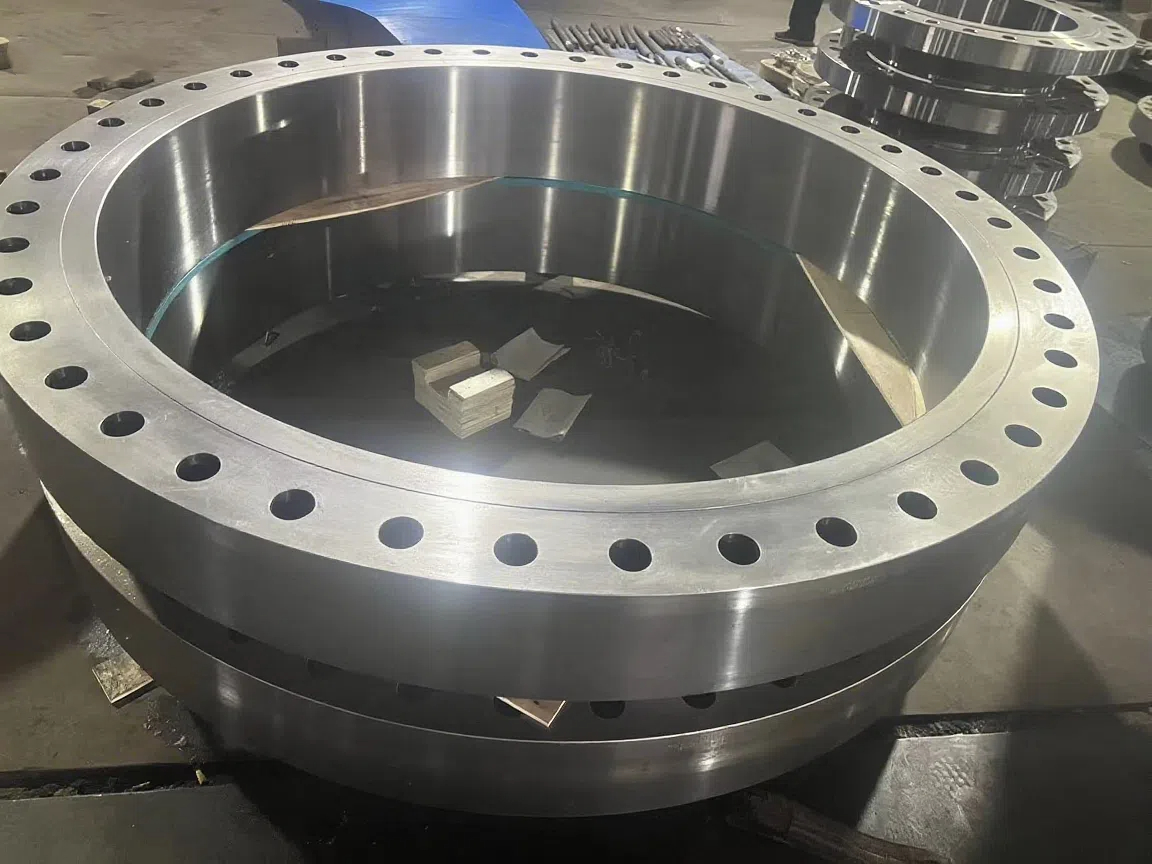
Heavy-Walled Flange Milling-Turning Machining and Flaw Detection
- Process : Machining - Turning Milling compound
- Material : Alloy steel
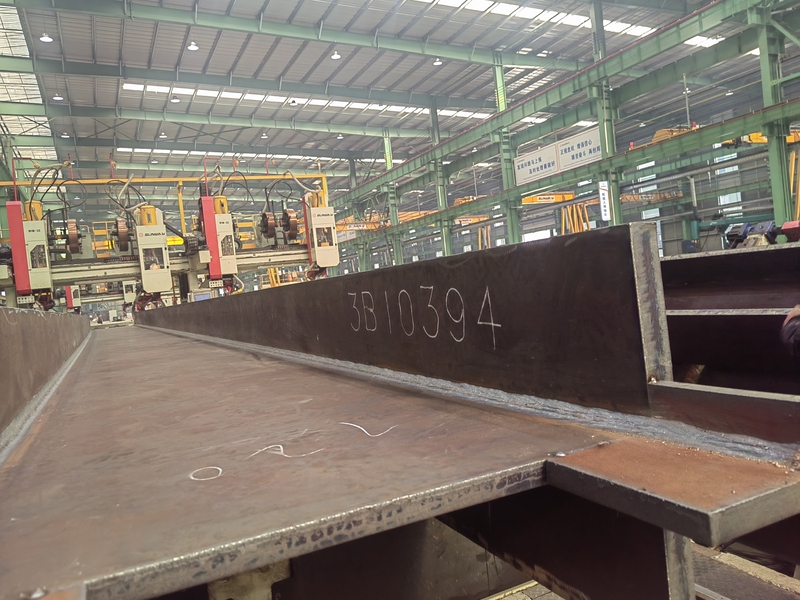
Custom Fabrication of S355JR Welded H-Beams for Construction Projects
- Process : Sheet metal - Welding
- Material : Carbon steel
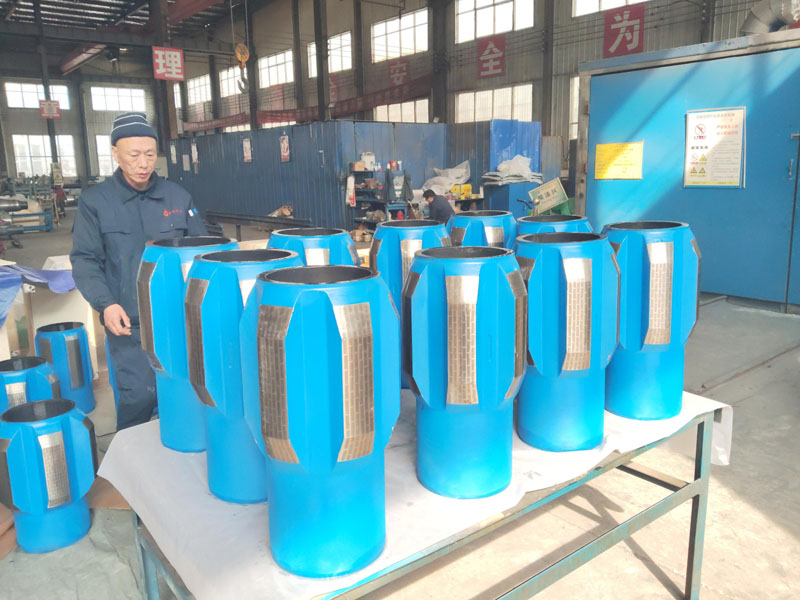
Drill Stabilizers Applied in Oil Drilling Platforms
- Process : Machining - Five-axis machining
- Material : Alloy steel
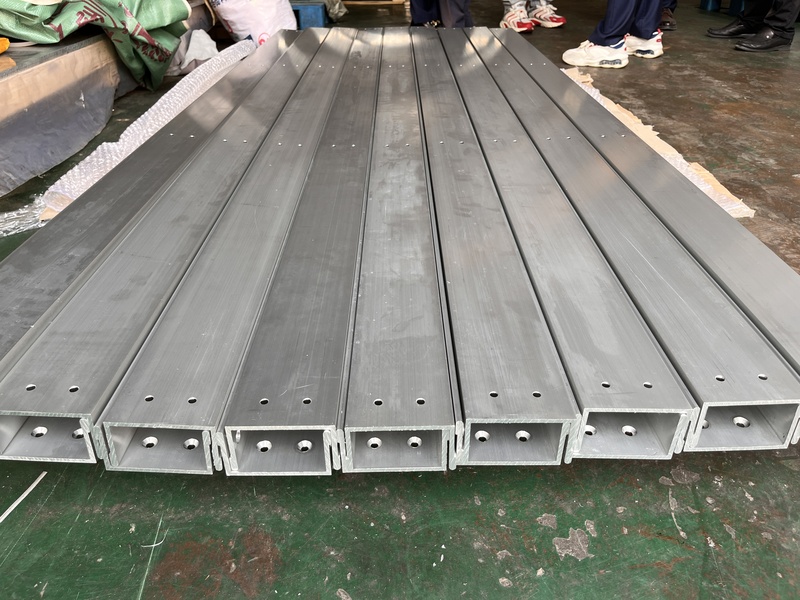
Precision Machining of U-Steel Profiles for Building Applications
- Process : Stamping - General stamping
- Material : Aluminum
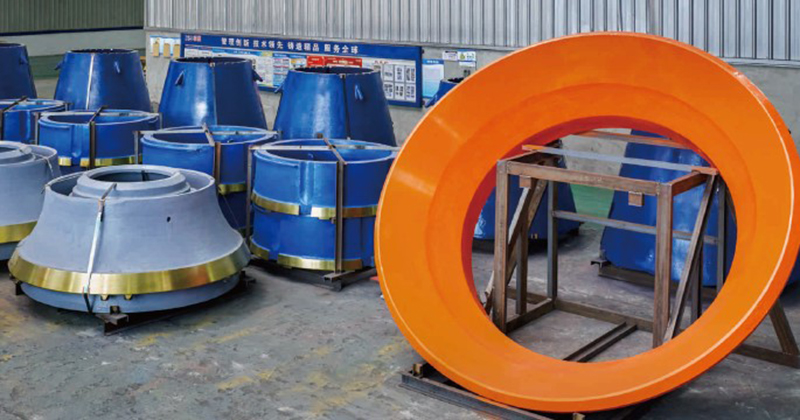
Cone Crusher Mantle
- Process : -
- Material :
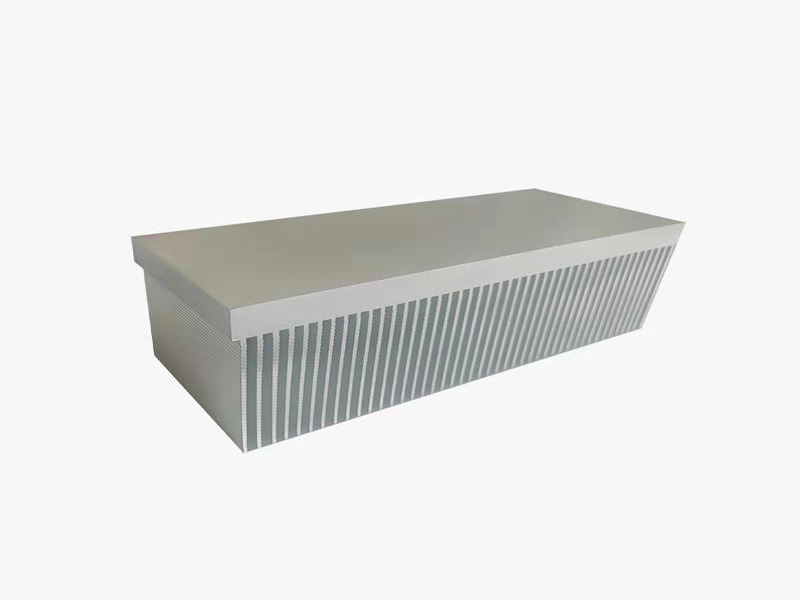
Innovative skiving technology: Breaking through the bottleneck of high-density heat dissipation technology
- Process : Surface treatment - Others
- Material : Alloy steel
More products
MoreWhat are the machining processes used for processing axial fan housings
- Process : Sheet metal - Welding
- Material : Carbon steel
Machining Process Analysis of Carbon Steel Fixed Anchor Plates
- Process : Machining - CNC milling or milling machining
- Material : Carbon steel
Heavy-Walled Flange Milling-Turning Machining and Flaw Detection
- Process : Machining - Turning Milling compound
- Material : Alloy steel
Custom Fabrication of S355JR Welded H-Beams for Construction Projects
- Process : Sheet metal - Welding
- Material : Carbon steel
Drill Stabilizers Applied in Oil Drilling Platforms
- Process : Machining - Five-axis machining
- Material : Alloy steel
Precision Machining of U-Steel Profiles for Building Applications
- Process : Stamping - General stamping
- Material : Aluminum
Cone Crusher Mantle
- Process : -
- Material :
Innovative skiving technology: Breaking through the bottleneck of high-density heat dissipation technology
- Process : Surface treatment - Others
- Material : Alloy steel