Seismic Performance Research on Truss Joints
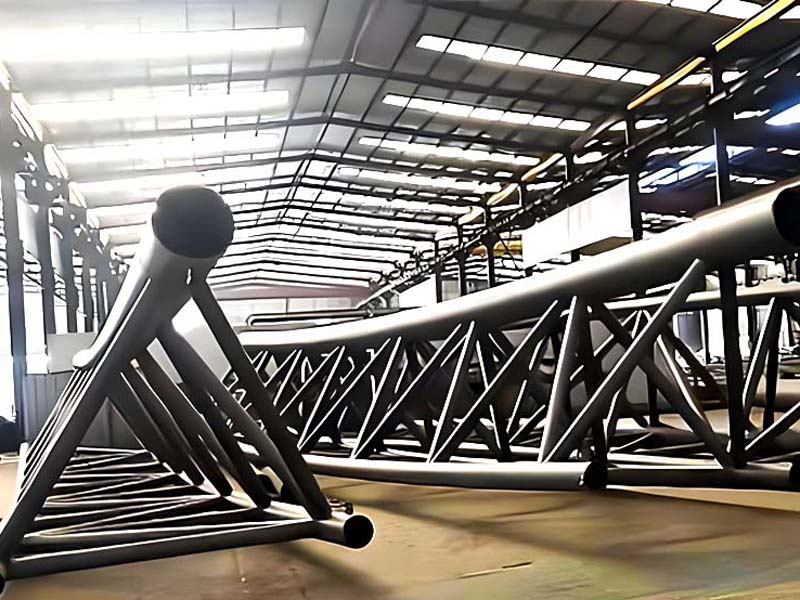
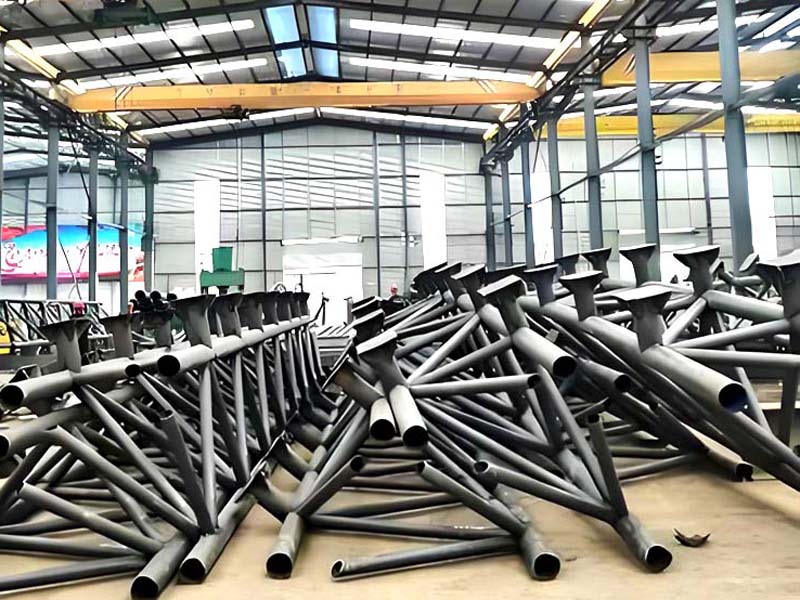
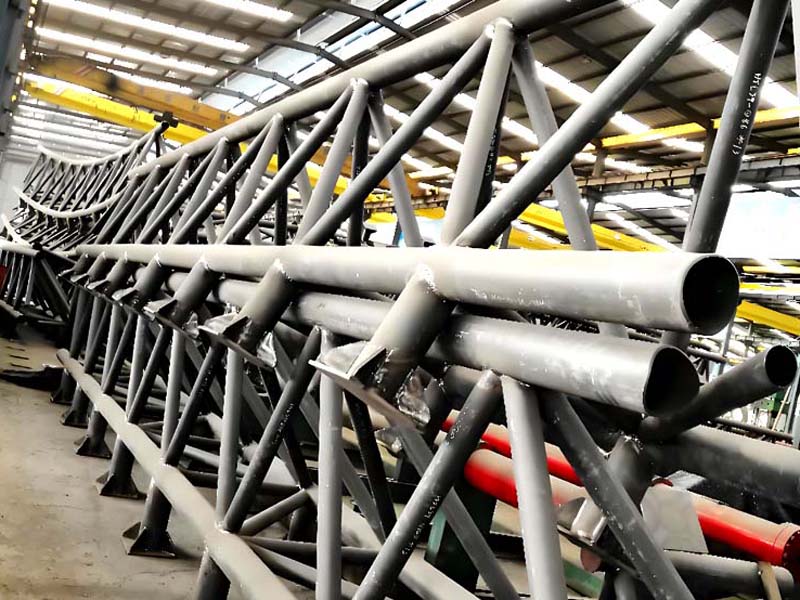
| Product name: | Seismic Performance Research on Truss Joints |
| Keywords: | Seismic Performance Research on Truss Joints |
| Industry: | Transportation - Rail transportation |
| Process: | Sheet metal - Welding |
| Material: | Carbon steel |
Processing manufacturer
- There are 48 manufacturers that provide similar products
- There are 132 manufacturers that provide this processing technology
- There are 84 manufacturers that provide this material processing service
- There are 110 manufacturers that provide this industry processing service
Product details
Seismic performance research on truss joints focuses on the hysteretic characteristics and failure mechanisms of typical joints such as K-type and T-type. Finite element simulations and experimental analyses reveal that the bearing capacity of the joints is significantly affected by the wall thickness of the main chord, the angle of the brace, and the welding quality. Strengthening with outer sleeves can increase the ductility coefficient by more than 30%. The research indicates that reasonable design of joint configurations (such as increasing the intersection radius and using high-strength steel) can effectively avoid brittle fracture and achieve the seismic goal of "strong joints and weak members."
Compared with designs without braces, cross-braced truss joints have higher shear bearing capacity and energy dissipation capacity, with full hysteresis curves and stable backbone curves. During construction, it is recommended to use embedded steel plates or chord members directly embedded in the joint scheme, and to set up annular ribs to enhance the anti-extrusion strength to ensure the structural safety under seismic action.
Similar products
More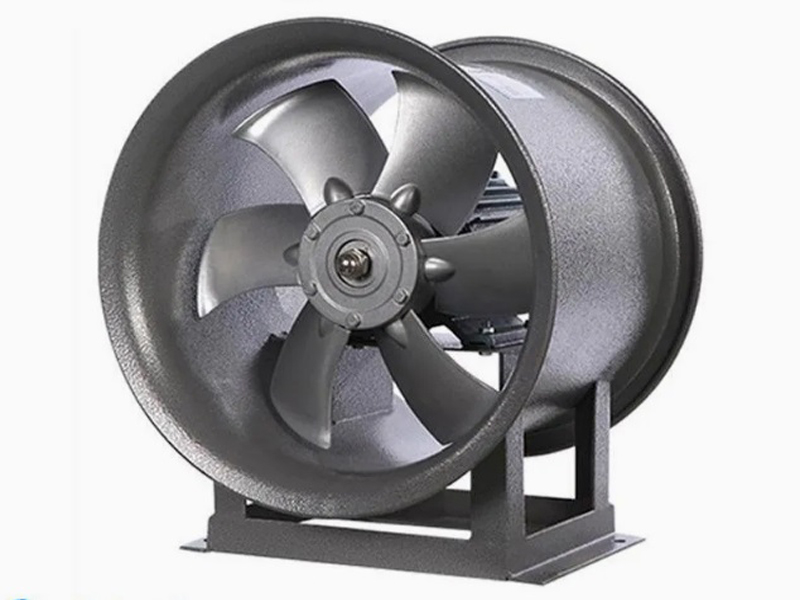
What are the machining processes used for processing axial fan housings
- Process : Sheet metal - Welding
- Material : Carbon steel
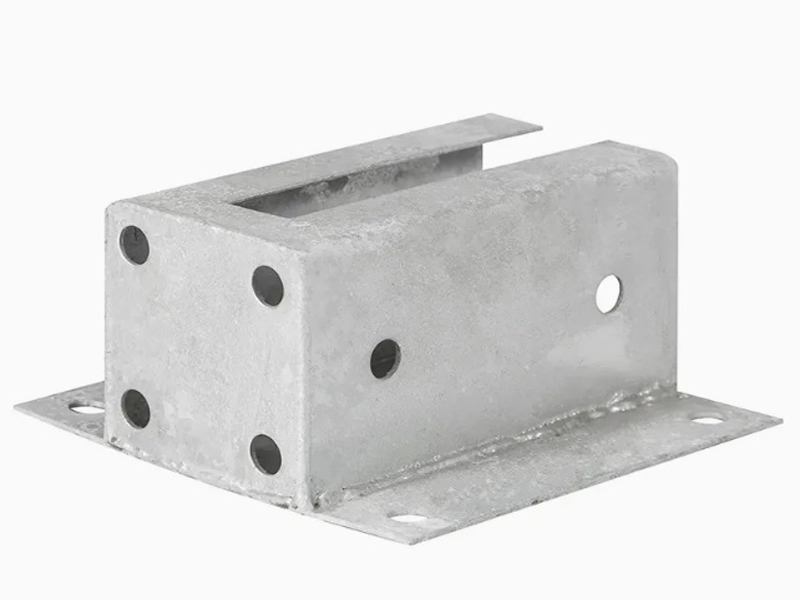
Machining Process Analysis of Carbon Steel Fixed Anchor Plates
- Process : Machining - CNC milling or milling machining
- Material : Carbon steel
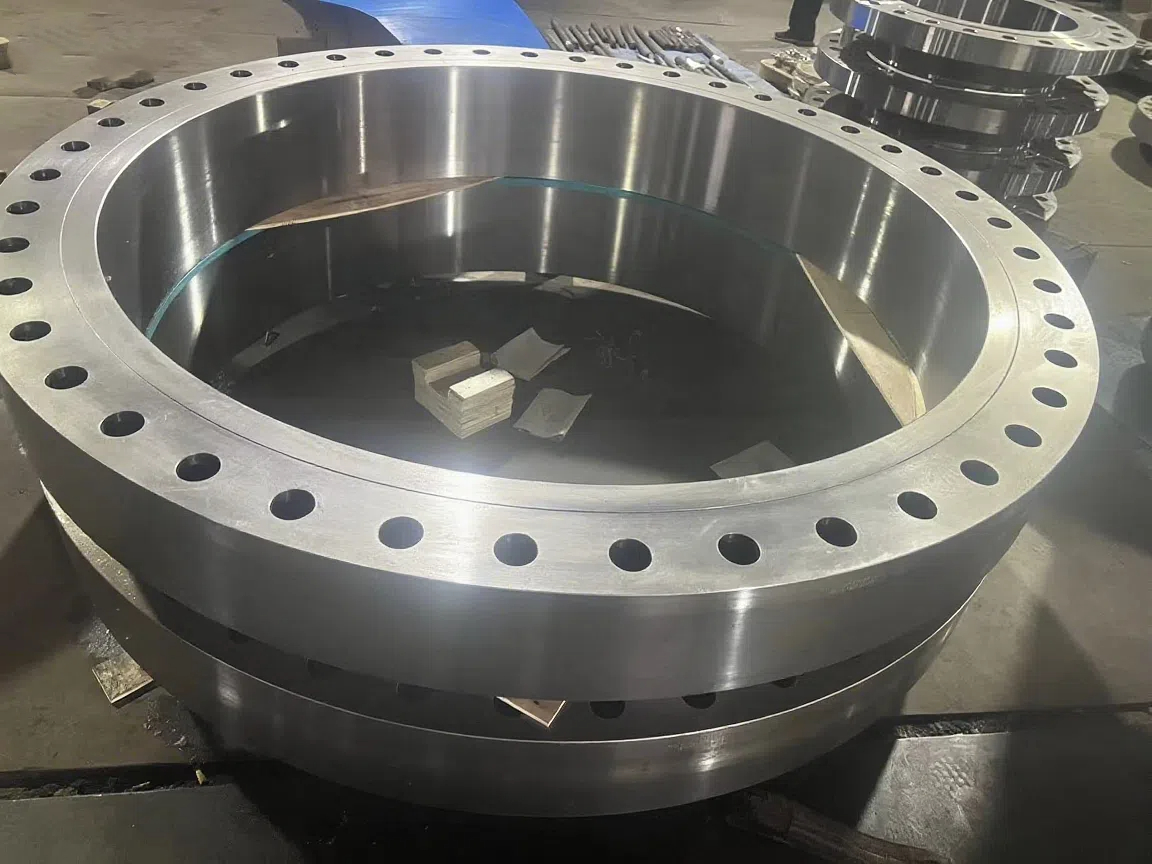
Heavy-Walled Flange Milling-Turning Machining and Flaw Detection
- Process : Machining - Turning Milling compound
- Material : Alloy steel
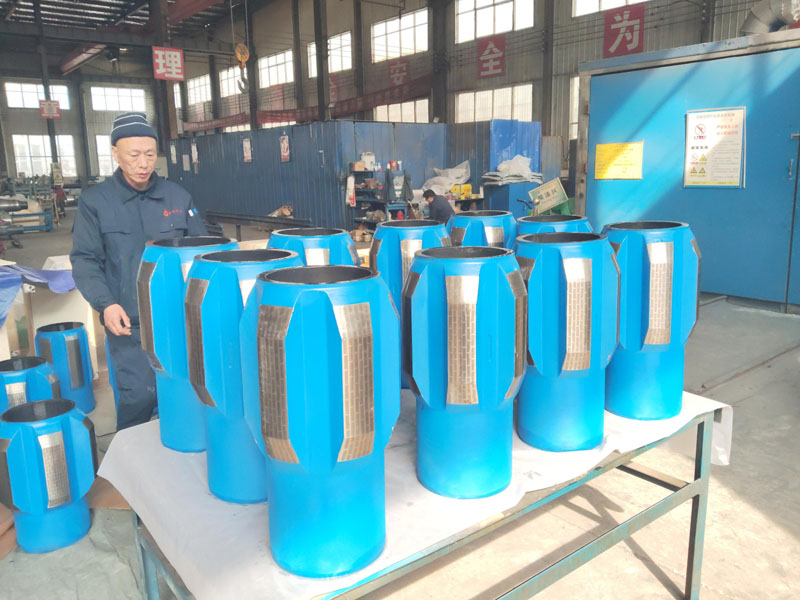
Drill Stabilizers Applied in Oil Drilling Platforms
- Process : Machining - Five-axis machining
- Material : Alloy steel
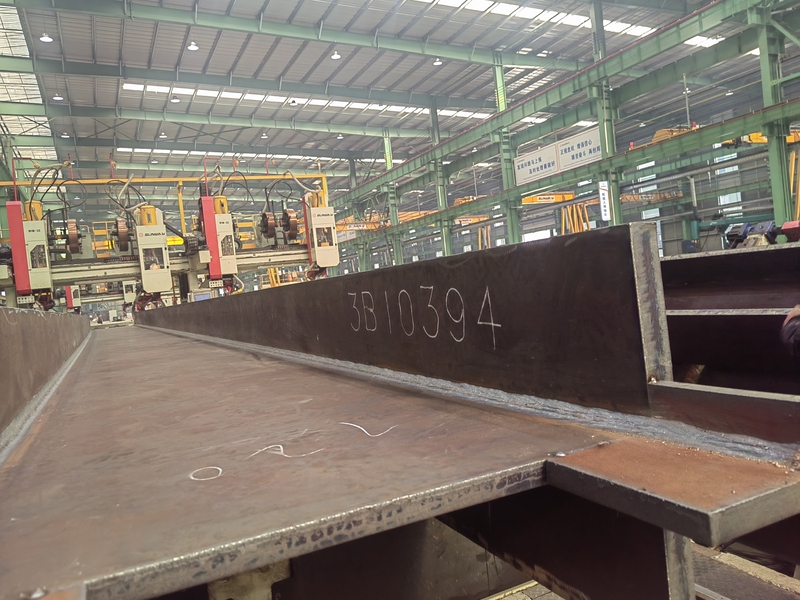
Custom Fabrication of S355JR Welded H-Beams for Construction Projects
- Process : Sheet metal - Welding
- Material : Carbon steel
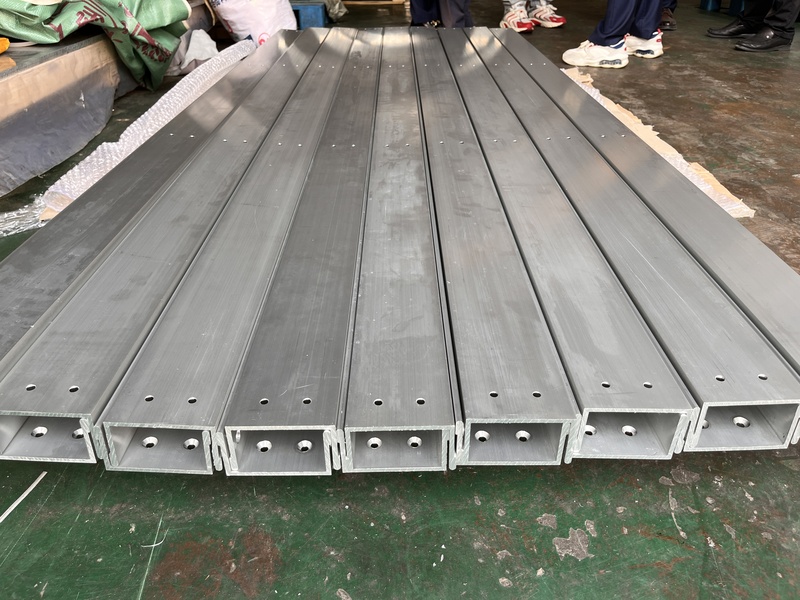
Precision Machining of U-Steel Profiles for Building Applications
- Process : Stamping - General stamping
- Material : Aluminum
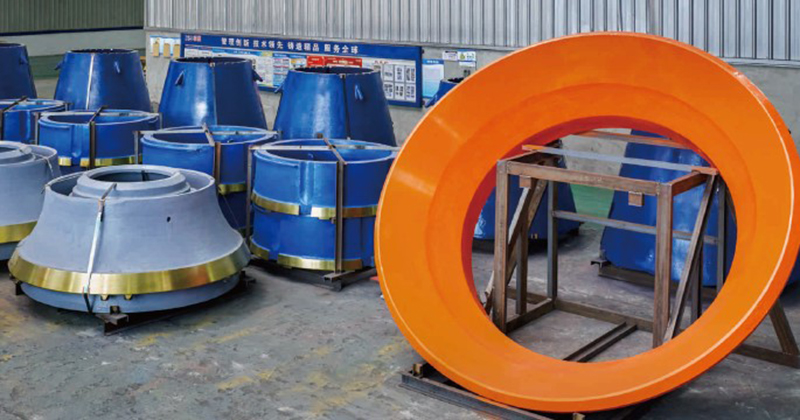
Cone Crusher Mantle
- Process : -
- Material :
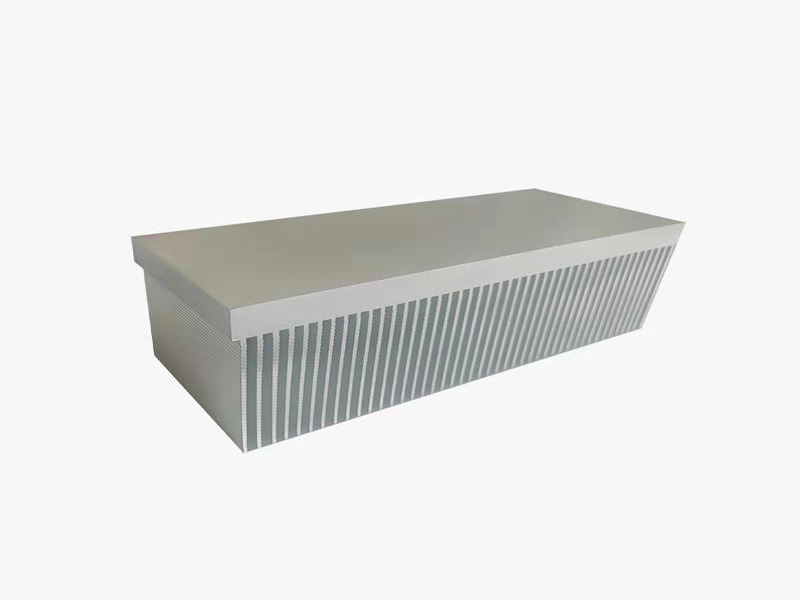
Innovative skiving technology: Breaking through the bottleneck of high-density heat dissipation technology
- Process : Surface treatment - Others
- Material : Alloy steel
More products
MoreWhat are the machining processes used for processing axial fan housings
- Process : Sheet metal - Welding
- Material : Carbon steel
Machining Process Analysis of Carbon Steel Fixed Anchor Plates
- Process : Machining - CNC milling or milling machining
- Material : Carbon steel
Heavy-Walled Flange Milling-Turning Machining and Flaw Detection
- Process : Machining - Turning Milling compound
- Material : Alloy steel
Drill Stabilizers Applied in Oil Drilling Platforms
- Process : Machining - Five-axis machining
- Material : Alloy steel
Custom Fabrication of S355JR Welded H-Beams for Construction Projects
- Process : Sheet metal - Welding
- Material : Carbon steel
Precision Machining of U-Steel Profiles for Building Applications
- Process : Stamping - General stamping
- Material : Aluminum
Cone Crusher Mantle
- Process : -
- Material :
Innovative skiving technology: Breaking through the bottleneck of high-density heat dissipation technology
- Process : Surface treatment - Others
- Material : Alloy steel