The historical evolution of shaft forging technology
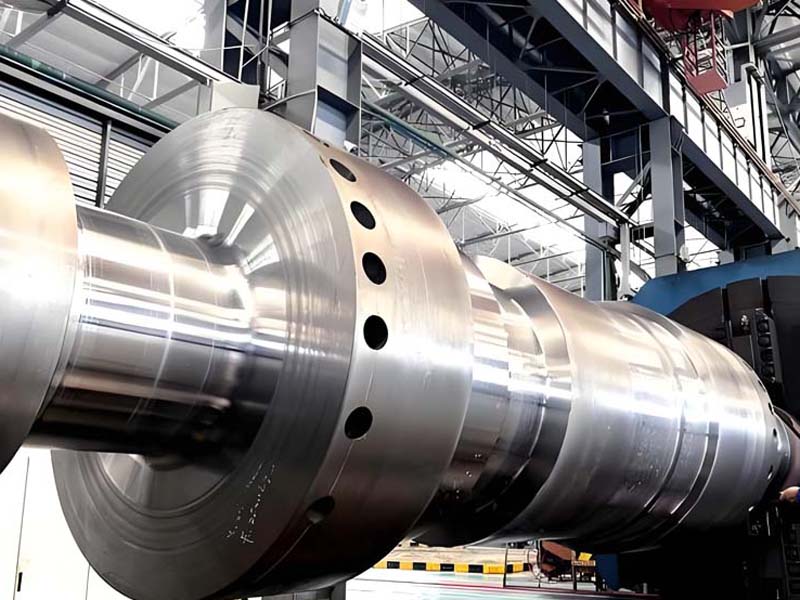
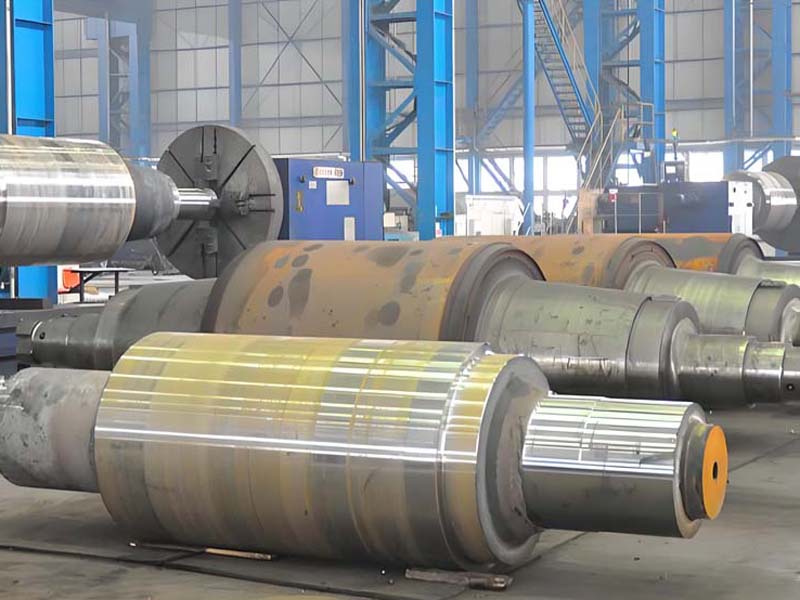
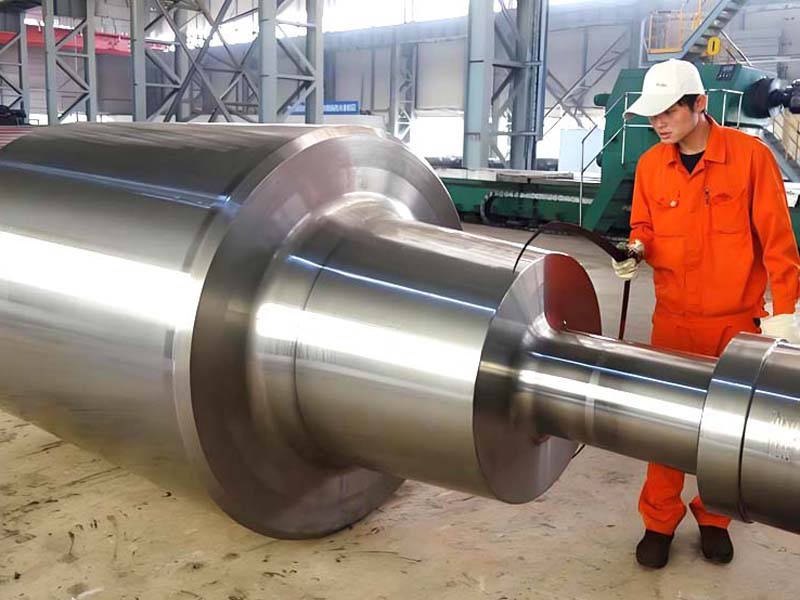
| Product name: | The historical evolution of shaft forging technology |
| Keywords: | The historical evolution of shaft forging technology |
| Industry: | Transportation - Ship industry |
| Process: | Forging - Others |
| Material: | Alloy steel |
Processing manufacturer
- There are 39 manufacturers that provide similar products
- There are 123 manufacturers that provide this processing technology
- There are 84 manufacturers that provide this material processing service
- There are 144 manufacturers that provide this industry processing service
Product details
Shaft forging technology can be traced back to the Shang and Zhou dynasties, initially focusing on bronze forging for tools and weapons. During the Qin and Han dynasties, iron forging emerged, and steel shafts began to appear, driving the development of agricultural and military equipment. During the Tang and Song dynasties, forging techniques became more refined, with the technology of forging swords reaching its peak and influencing surrounding regions.
After the Industrial Revolution, steam-powered forging equipment was invented, enabling large-scale production of shafts. In the 20th century, hydraulic and mechanical presses became widespread, significantly improving forging precision and efficiency, meeting the demands of industries such as automobiles and machine tools.
In modern times, intelligent temperature control and computer simulation technologies have been integrated, driving forging towards greater efficiency and environmental friendliness, supporting high-end equipment manufacturing.
Similar products
More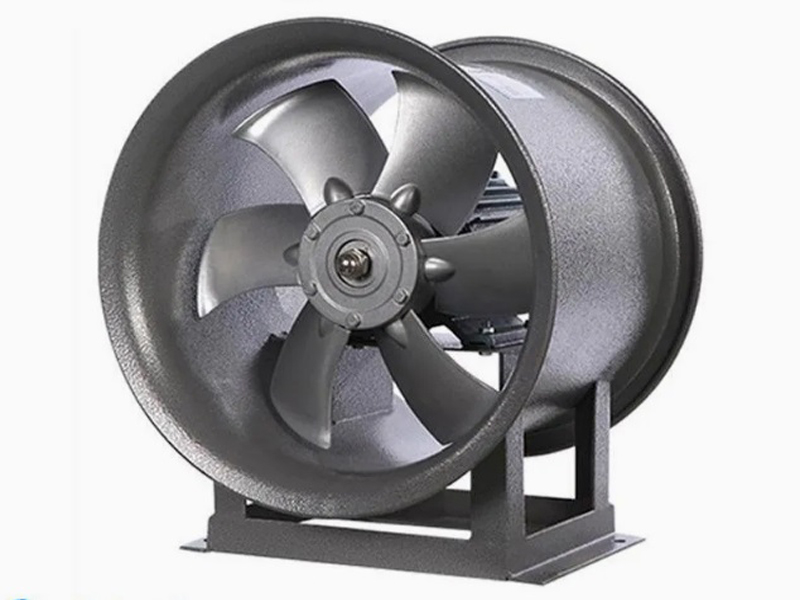
What are the machining processes used for processing axial fan housings
- Process : Sheet metal - Welding
- Material : Carbon steel
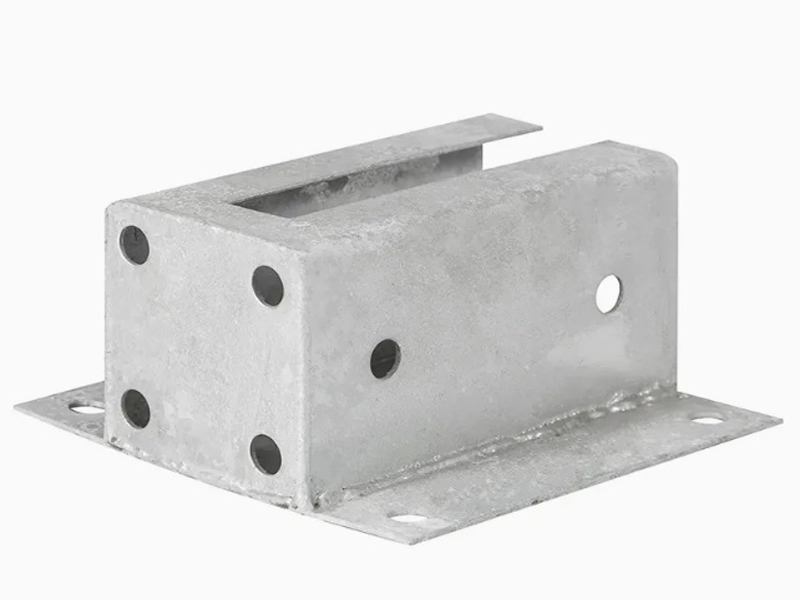
Machining Process Analysis of Carbon Steel Fixed Anchor Plates
- Process : Machining - CNC milling or milling machining
- Material : Carbon steel
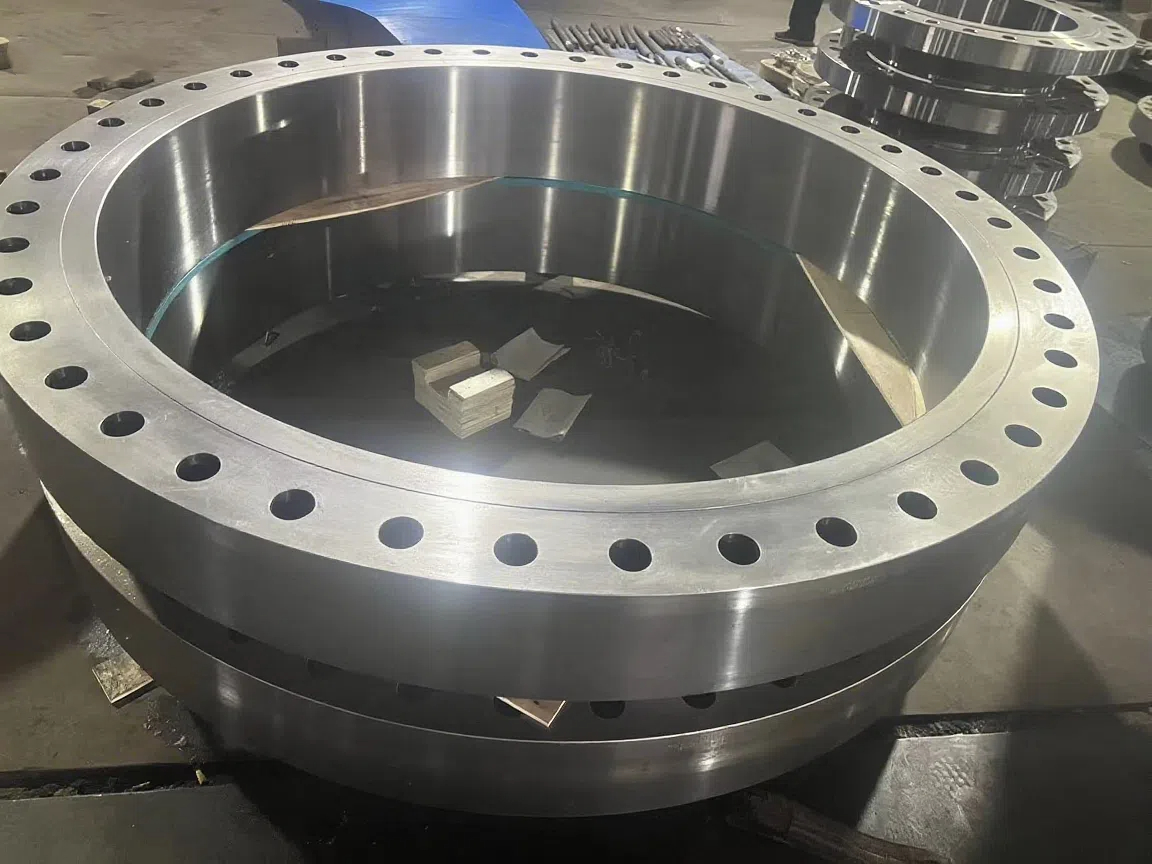
Heavy-Walled Flange Milling-Turning Machining and Flaw Detection
- Process : Machining - Turning Milling compound
- Material : Alloy steel
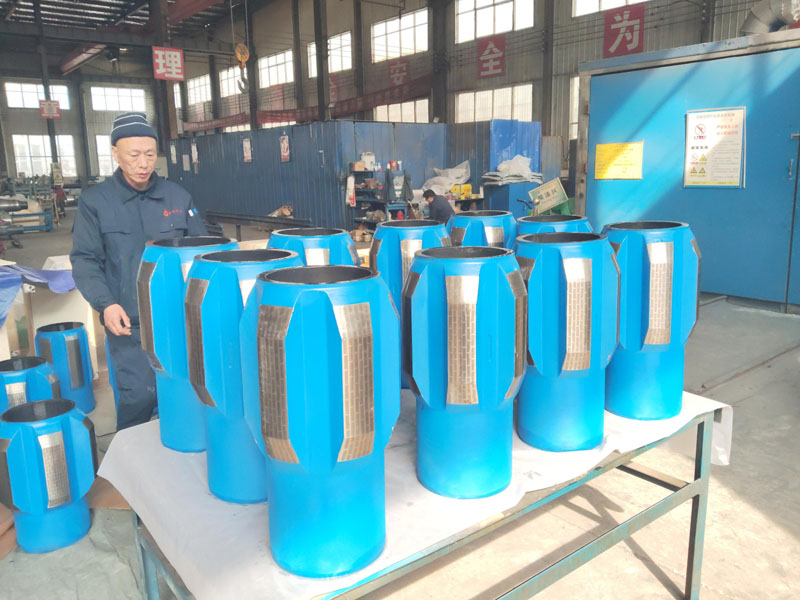
Drill Stabilizers Applied in Oil Drilling Platforms
- Process : Machining - Five-axis machining
- Material : Alloy steel
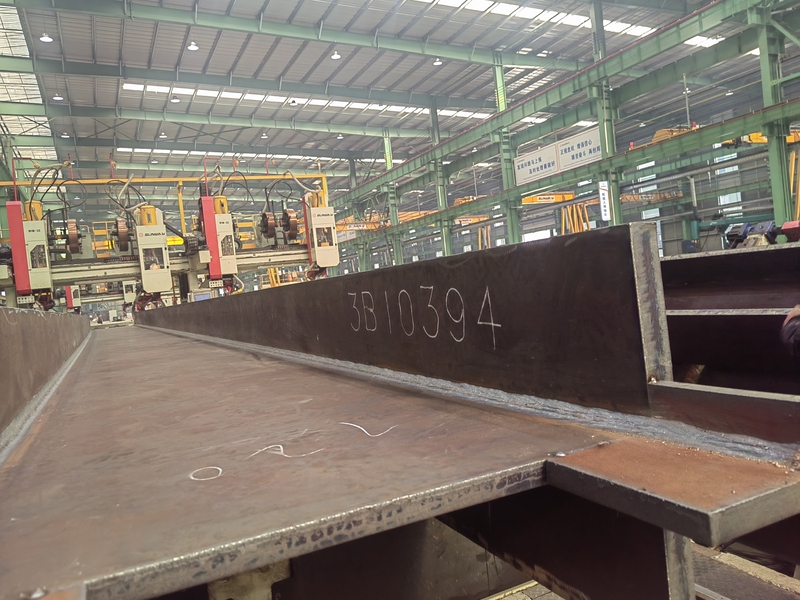
Custom Fabrication of S355JR Welded H-Beams for Construction Projects
- Process : Sheet metal - Welding
- Material : Carbon steel
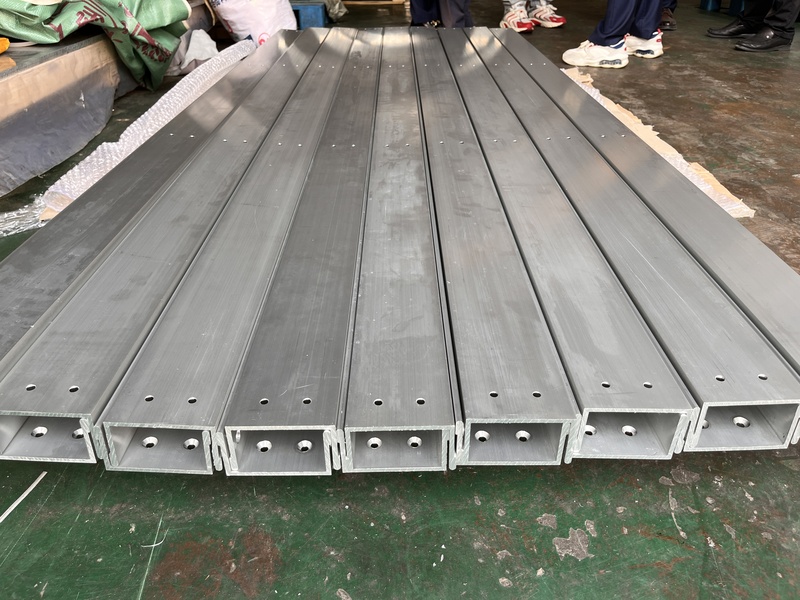
Precision Machining of U-Steel Profiles for Building Applications
- Process : Stamping - General stamping
- Material : Aluminum
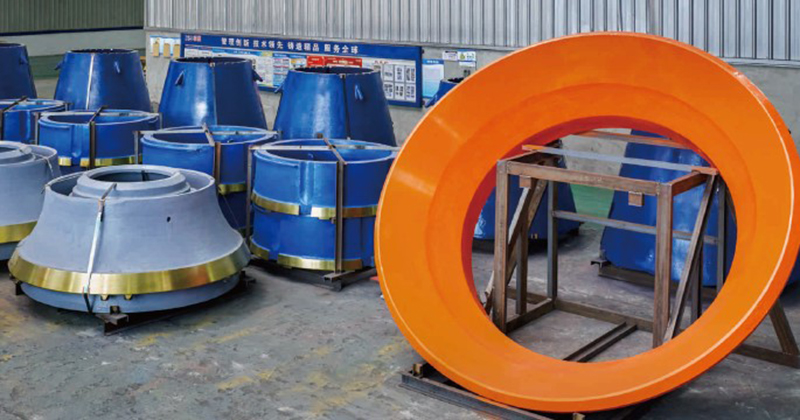
Cone Crusher Mantle
- Process : -
- Material :
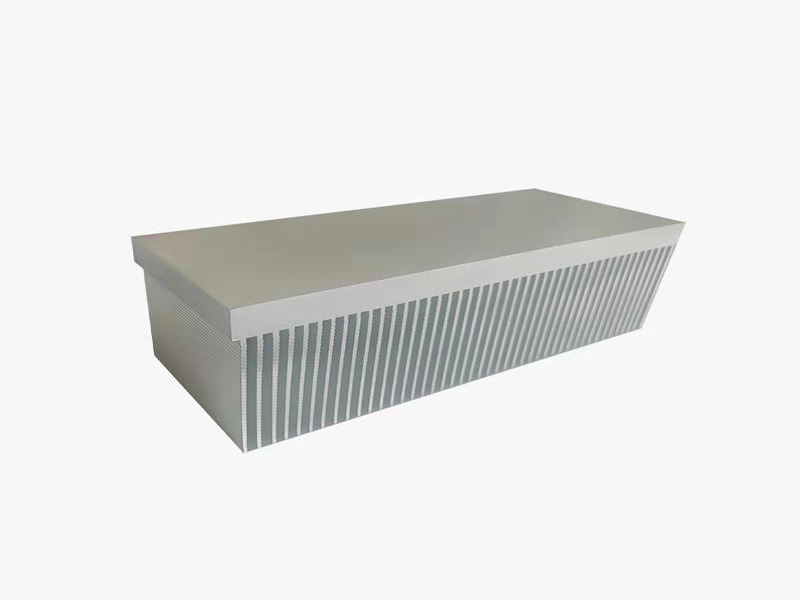
Innovative skiving technology: Breaking through the bottleneck of high-density heat dissipation technology
- Process : Surface treatment - Others
- Material : Alloy steel
More products
MoreWhat are the machining processes used for processing axial fan housings
- Process : Sheet metal - Welding
- Material : Carbon steel
Machining Process Analysis of Carbon Steel Fixed Anchor Plates
- Process : Machining - CNC milling or milling machining
- Material : Carbon steel
Heavy-Walled Flange Milling-Turning Machining and Flaw Detection
- Process : Machining - Turning Milling compound
- Material : Alloy steel
Drill Stabilizers Applied in Oil Drilling Platforms
- Process : Machining - Five-axis machining
- Material : Alloy steel
Custom Fabrication of S355JR Welded H-Beams for Construction Projects
- Process : Sheet metal - Welding
- Material : Carbon steel
Precision Machining of U-Steel Profiles for Building Applications
- Process : Stamping - General stamping
- Material : Aluminum
Cone Crusher Mantle
- Process : -
- Material :
Innovative skiving technology: Breaking through the bottleneck of high-density heat dissipation technology
- Process : Surface treatment - Others
- Material : Alloy steel