Bearing Shim
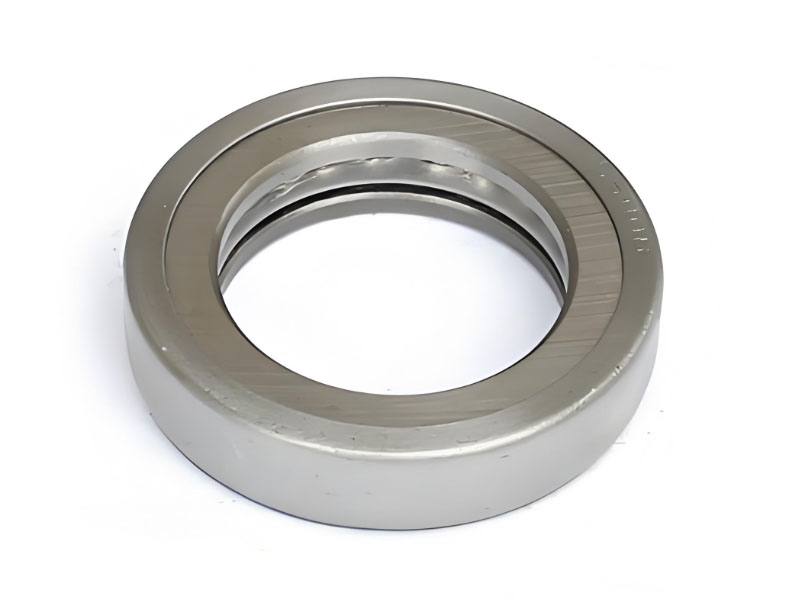
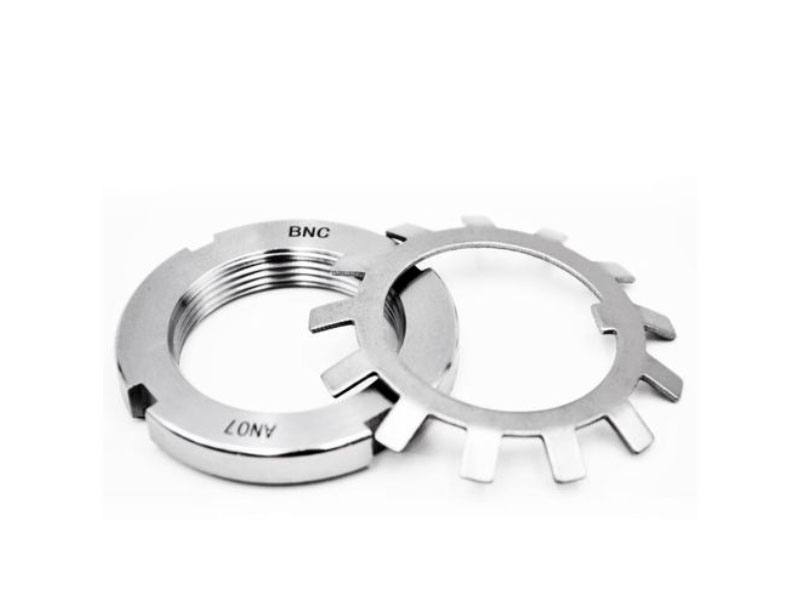
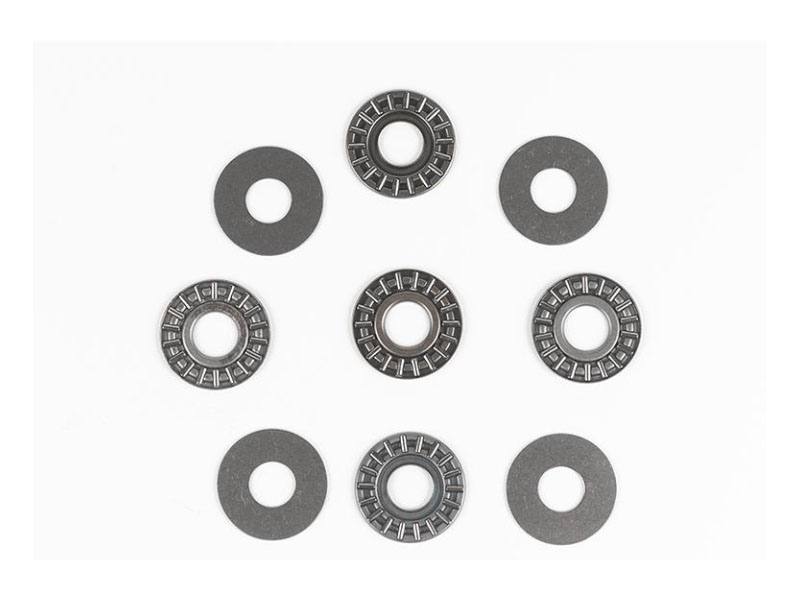
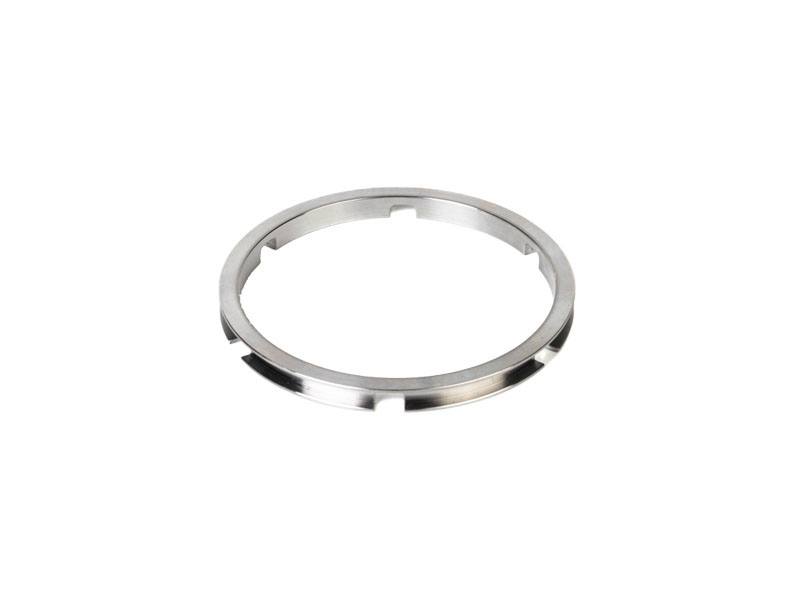
| Product name: | Bearing Shim |
| Keywords: | Automotive Component Bearing Shim |
| Industry: | Transportation - Automobile manufacturing industry |
| Process: | Machining - Wire cutting |
| Material: | Alloy steel |
Processing manufacturer
- There are 41 manufacturers that provide similar products
- There are 160 manufacturers that provide this processing technology
- There are 96 manufacturers that provide this material processing service
- There are 103 manufacturers that provide this industry processing service
Product details
Automotive component bearing shims (also known as bearing spacers or shims) are critical auxiliary components used in bearing assemblies within automotive engines or transmissions. They are primarily installed in bearing slots (such as crankshaft main bearing caps or connecting rod bearing slots) to precisely adjust the clearance between the bearing and the journal, ensuring smooth operation and durability of rotating components. It is a thin, metal ring-shaped structure, often used in high-precision applications to compensate for manufacturing tolerances or deformation caused by thermal expansion.
Main Functions
- Clearance Adjustment: By stacking or subtracting shims of different thicknesses, the bearing clearance is precisely controlled (typically 0.02-0.05mm) to prevent overheating caused by excessive tightness or vibration and wear caused by excessive looseness.
- Axial Load Buffering: Absorbs axial thrust, distributes load, reduces direct friction between the shaft and bearing, and improves transmission efficiency and lifespan.
- Thermal Deformation Compensation: In the high-temperature environment of the engine (up to 100-200℃), expansion space is reserved to avoid failures caused by assembly deformation.
- Improved Sealing: Assists in sealing the bearing end cap and the housing, preventing oil leakage or foreign object entry, and improving the overall reliability of the power system.
Structural Features
- Basic Shape: Flat ring-shaped or semi-circular arc-shaped, with a thickness of typically 0.01-0.5mm and a diameter matching the inner/outer ring of the bearing (common specifications φ40-100mm). The edges may have positioning slots or serrations for easy embedding into the bearing slot.
- Installation Position: Mainly used in engine crankshaft, camshaft, or gearbox bearing slots, in conjunction with bearing shells (tiles) to form a "tile-shim-cap" structure.
- Diverse Specifications: Customized according to vehicle models (such as Volkswagen EA888 engine or Toyota 2GR-FE), with thickness gradations (such as 0.05mm increments) for easy on-site selection.
Common Materials
- Bearing Steel (GCr15): High hardness (HRC58-62), strong wear resistance, suitable for high-speed rotating applications.
- Copper Alloy or Aluminum Alloy: High thermal conductivity, used in high-temperature areas to reduce thermal stress.
- Composite Materials: Such as steel-backed copper layer, enhances corrosion resistance, commonly used in turbocharger engines.
Processing and Assembly Overview
Processing uses precision stamping or wire cutting to ensure flatness <0.005mm and surface roughness Ra 0.2μm. During assembly, a micrometer is used to measure the clearance, and the thickness sum is selected to match the design value (error <0.01mm). A common failure is shim deformation leading to bearing knocking, and it is recommended to inspect every 50,000-100,000 kilometers.
Similar products
More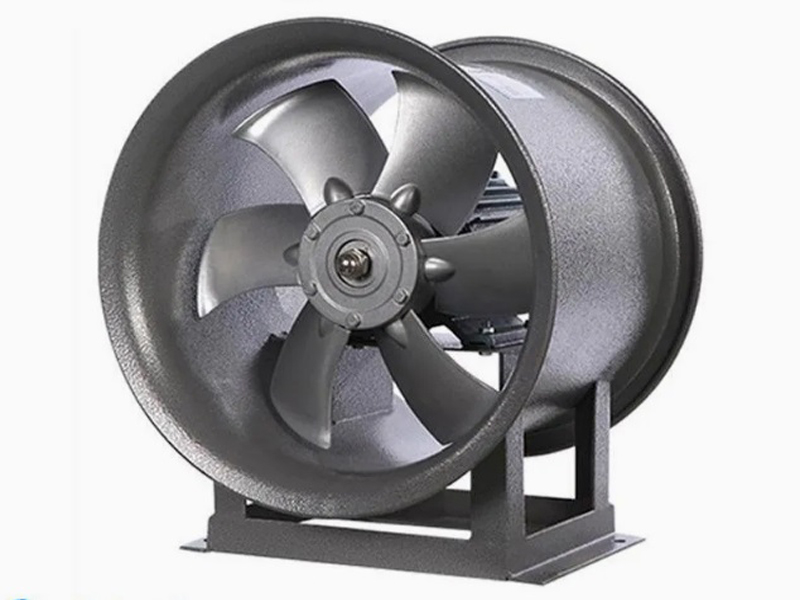
What are the machining processes used for processing axial fan housings
- Process : Sheet metal - Welding
- Material : Carbon steel
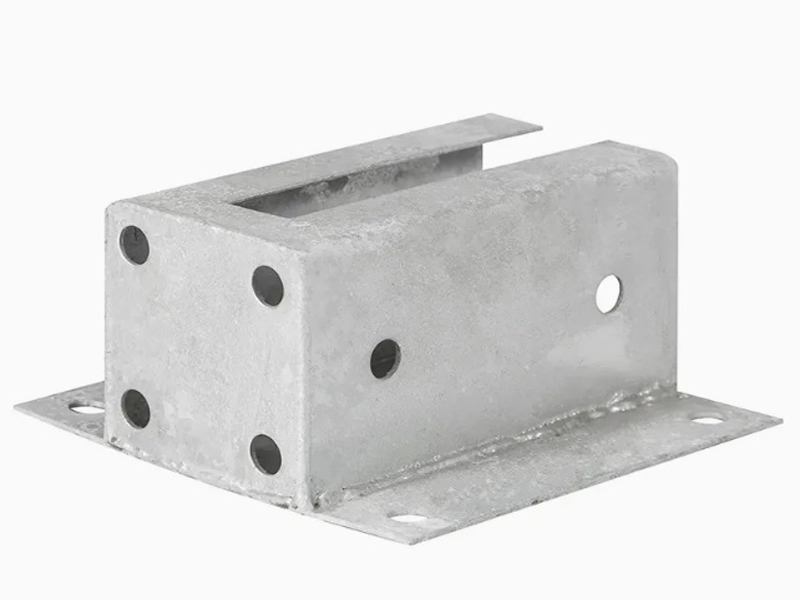
Machining Process Analysis of Carbon Steel Fixed Anchor Plates
- Process : Machining - CNC milling or milling machining
- Material : Carbon steel
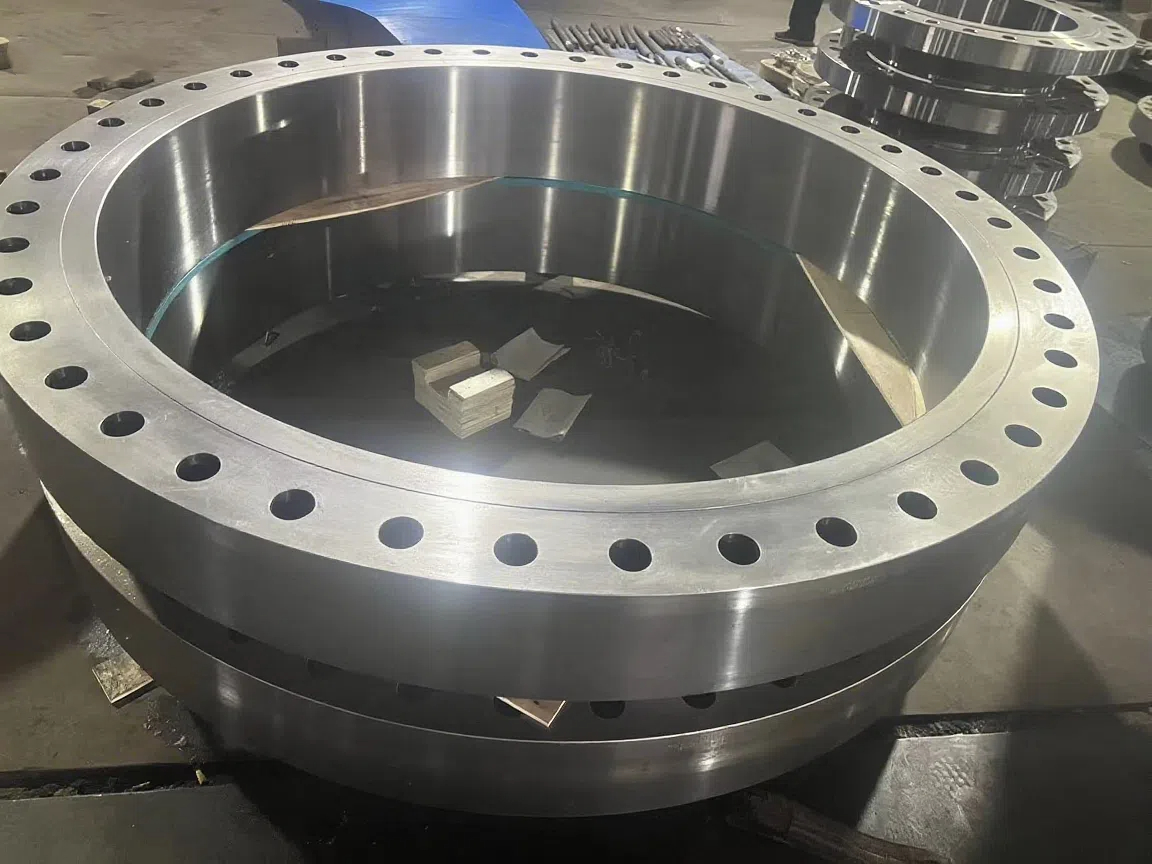
Heavy-Walled Flange Milling-Turning Machining and Flaw Detection
- Process : Machining - Turning Milling compound
- Material : Alloy steel
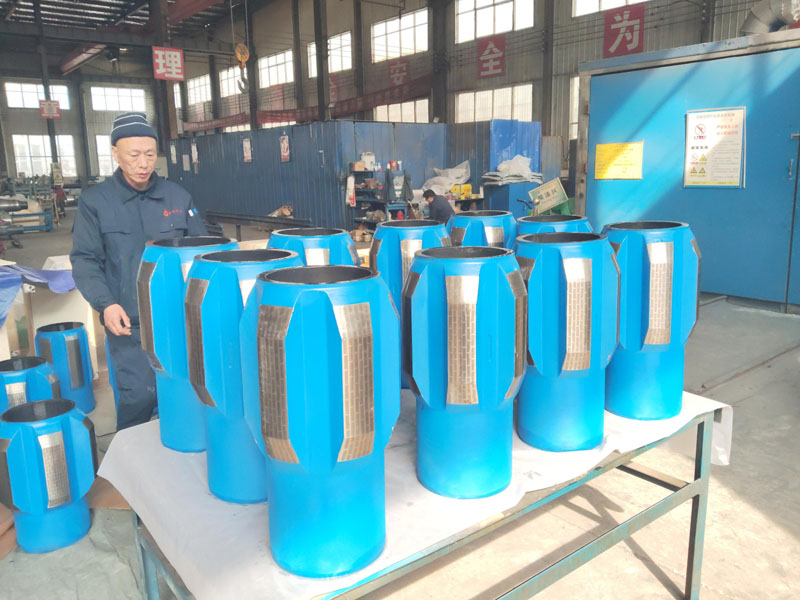
Drill Stabilizers Applied in Oil Drilling Platforms
- Process : Machining - Five-axis machining
- Material : Alloy steel
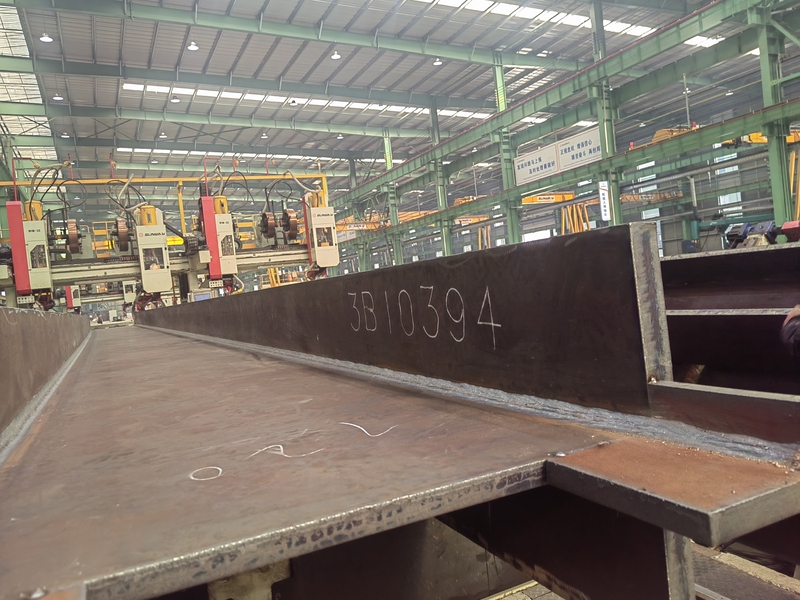
Custom Fabrication of S355JR Welded H-Beams for Construction Projects
- Process : Sheet metal - Welding
- Material : Carbon steel
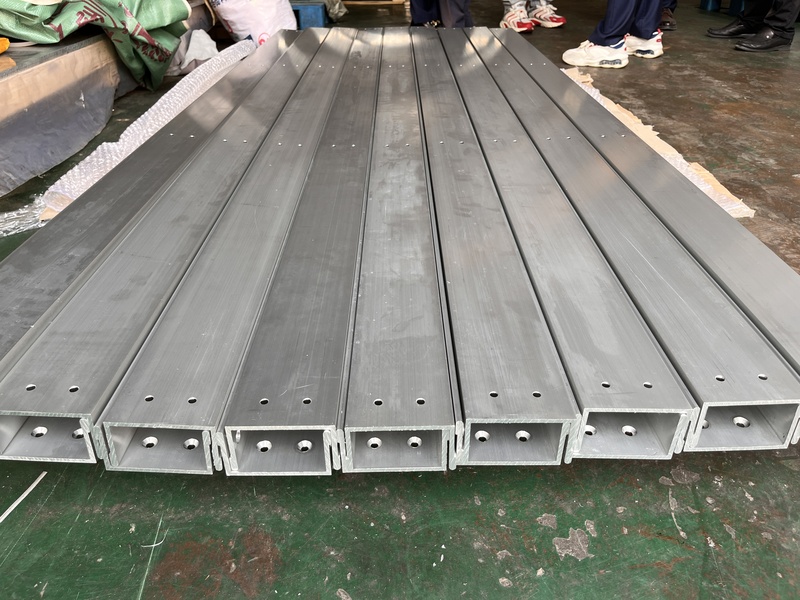
Precision Machining of U-Steel Profiles for Building Applications
- Process : Stamping - General stamping
- Material : Aluminum
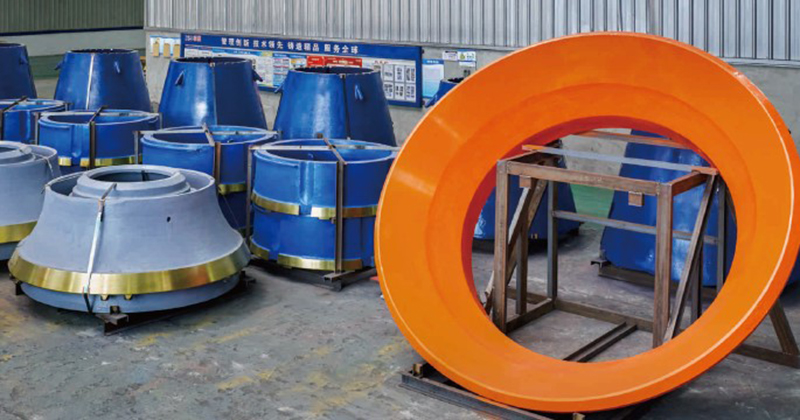
Cone Crusher Mantle
- Process : -
- Material :
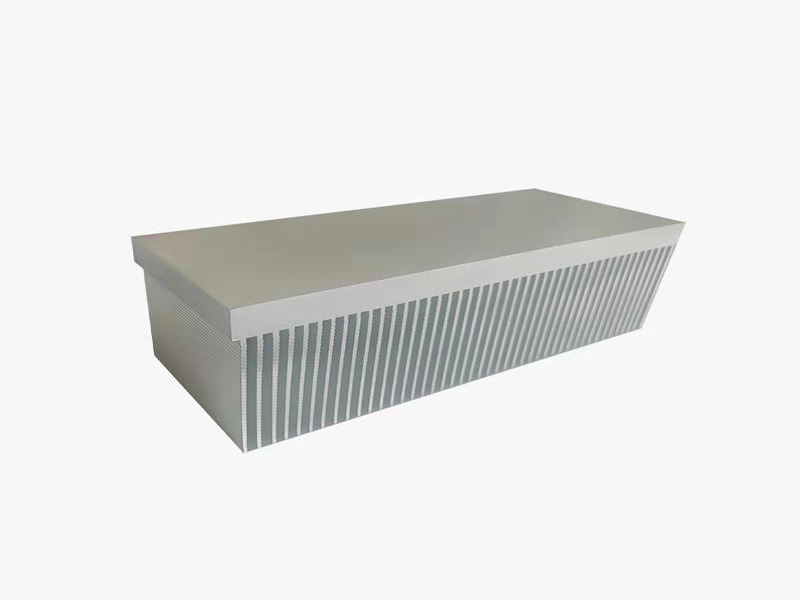
Innovative skiving technology: Breaking through the bottleneck of high-density heat dissipation technology
- Process : Surface treatment - Others
- Material : Alloy steel
More products
MoreWhat are the machining processes used for processing axial fan housings
- Process : Sheet metal - Welding
- Material : Carbon steel
Machining Process Analysis of Carbon Steel Fixed Anchor Plates
- Process : Machining - CNC milling or milling machining
- Material : Carbon steel
Heavy-Walled Flange Milling-Turning Machining and Flaw Detection
- Process : Machining - Turning Milling compound
- Material : Alloy steel
Drill Stabilizers Applied in Oil Drilling Platforms
- Process : Machining - Five-axis machining
- Material : Alloy steel
Custom Fabrication of S355JR Welded H-Beams for Construction Projects
- Process : Sheet metal - Welding
- Material : Carbon steel
Precision Machining of U-Steel Profiles for Building Applications
- Process : Stamping - General stamping
- Material : Aluminum
Cone Crusher Mantle
- Process : -
- Material :
Innovative skiving technology: Breaking through the bottleneck of high-density heat dissipation technology
- Process : Surface treatment - Others
- Material : Alloy steel