Automotive Parts - Valve Guide Machining
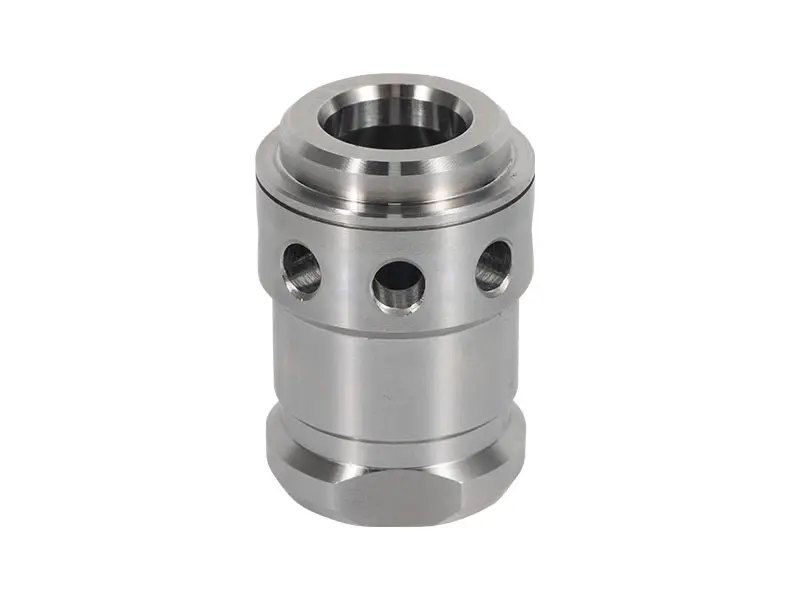
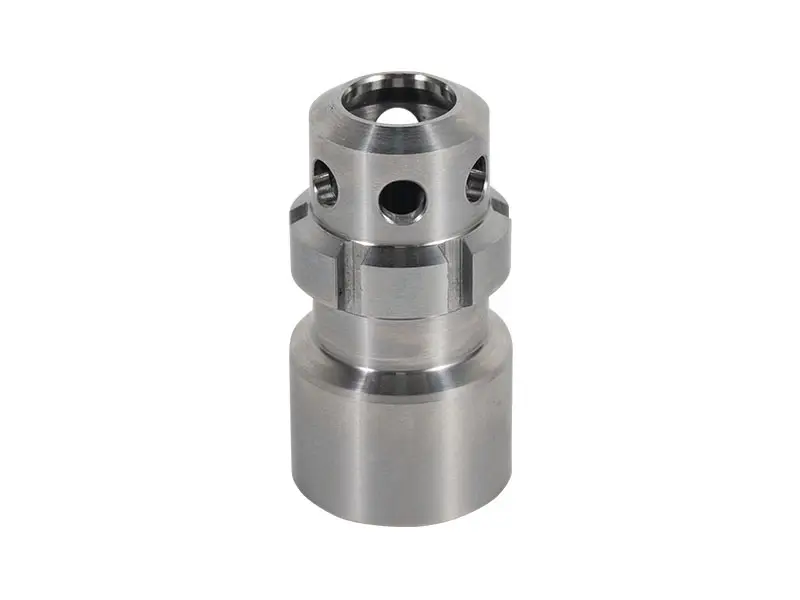
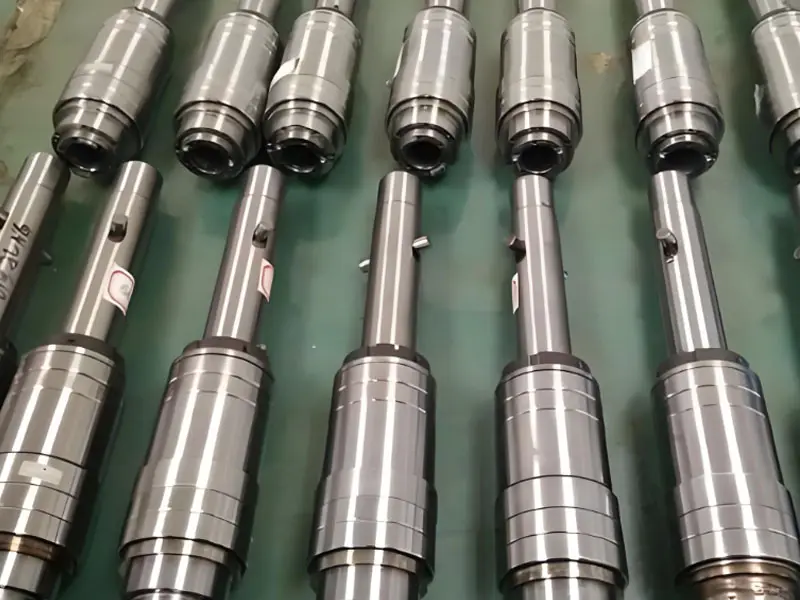
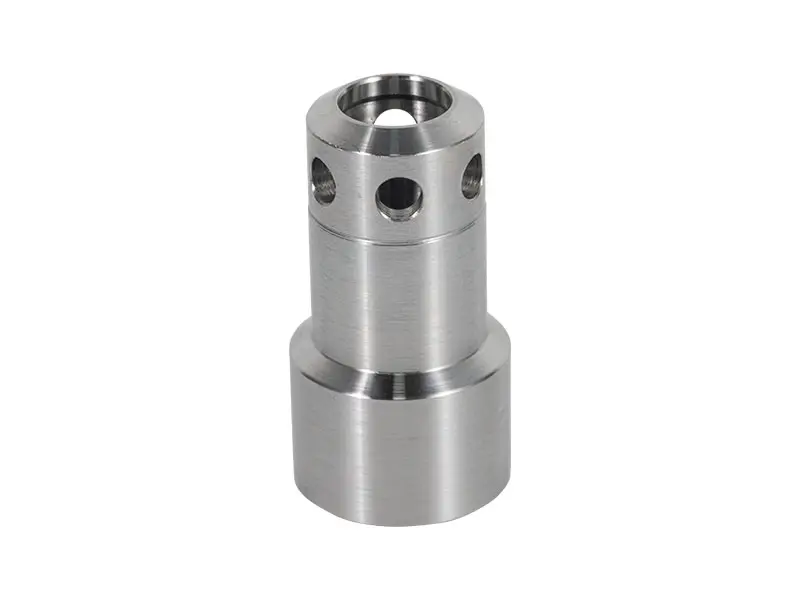
| Product name: | Automotive Parts - Valve Guide Machining |
| Keywords: | Automotive Parts Valve Guide |
| Industry: | Transportation - Automobile manufacturing industry |
| Process: | Machining - CNC milling or milling machining |
| Material: | Alloy steel |
Processing manufacturer
- There are 40 manufacturers that provide similar products
- There are 143 manufacturers that provide this processing technology
- There are 105 manufacturers that provide this material processing service
- There are 116 manufacturers that provide this industry processing service
Product details
The valve guide (also known as a valve stem guide or guide) in an automotive engine is a critical component in the cylinder head assembly, primarily used to guide the up and down movement of the valve stem (intake/exhaust valve). It is installed in the valve bore of the cylinder head and works in conjunction with the valve seat ring (valve seat) to ensure efficient combustion and sealing performance of the engine.
Structural Features
- Basic Form: Cylindrical sleeve structure, with an outer diameter matching the cylinder head bore and an inner diameter precisely matched to the valve stem (typically with a clearance of 0.02-0.05mm). One end has a guide taper for easy installation; the other end may have a stop structure.
- Installation Position: Pressed into the valve bore of the cylinder head, arranged coaxially with the valve seat to form a "two coaxial group holes". The intake valve guide is shorter, while the exhaust valve guide needs to be more heat-resistant.
- Size Specifications: Typical inner diameter 5-10mm, length 30-60mm, varies depending on the engine cylinder diameter and valve type (such as single overhead camshaft SOHC or double overhead DOHC).
- Innovative Design: Modern valve guides often use multi-material composites (such as copper alloy inner layer and cast iron outer layer) to improve thermal conductivity and corrosion resistance.
Common Materials
- Gray Cast Iron: Low cost, good wear resistance, suitable for low- to mid-range engines, but with general thermal conductivity.
- Copper Alloy: High thermal conductivity (used in high-end models), can quickly dissipate heat and reduce high-temperature deformation of the valve stem.
- Powder Metallurgy Sintered Metal: High strength, low porosity, resistant to high-temperature corrosion, often used in turbocharged engines.
- Other: Stainless steel or ceramic coated variants are used in electrified hybrid systems to improve durability. Material selection must match the engine operating temperature (intake 200-300℃, exhaust 400-600℃).
Brief Description of Machining Process
Valve guide machining emphasizes high precision (concentricity <0.01mm), commonly using CNC machine tools and special tools:
- Rough Machining: Reaming shallow guide holes to remove excess material (leaving 0.3-0.5mm), using carbide tools.
- Finish Machining: Precision reaming of the inner hole + counterboring of the tapered surface, using diamond (PCD) insert tools to ensure roundness and surface roughness Ra 0.4μm.
- Composite Machining: Special gun reaming tools simultaneously complete the guide hole and valve seat taper, improving concentricity and reducing clamping errors.
- Positioning and Inspection: Using "one surface two pins" or plane + outer circle positioning; post-processing includes thermal press fitting and dynamic balance testing. The difficulty in processing lies in the easy cracking of powder metallurgy materials, requiring optimization of coolant and cutting parameters. Batch production cycle is approximately 10-20 seconds/piece.
Previous article : Automotive Turbocharger Impeller Machining
Next article : What are gears used for?
Similar products
More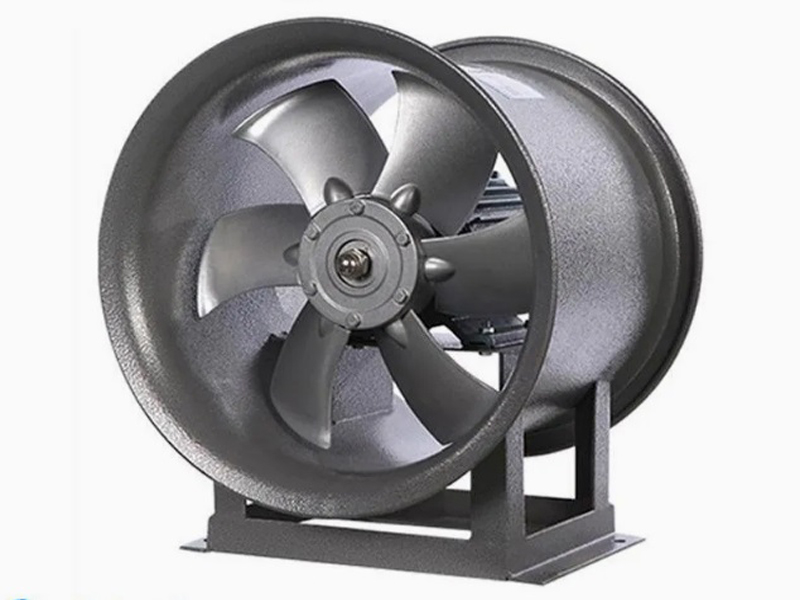
What are the machining processes used for processing axial fan housings
- Process : Sheet metal - Welding
- Material : Carbon steel
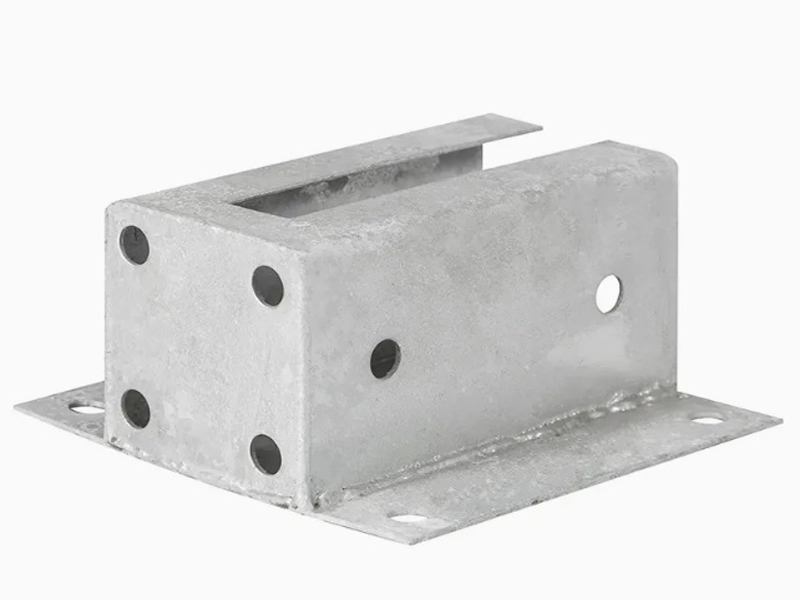
Machining Process Analysis of Carbon Steel Fixed Anchor Plates
- Process : Machining - CNC milling or milling machining
- Material : Carbon steel
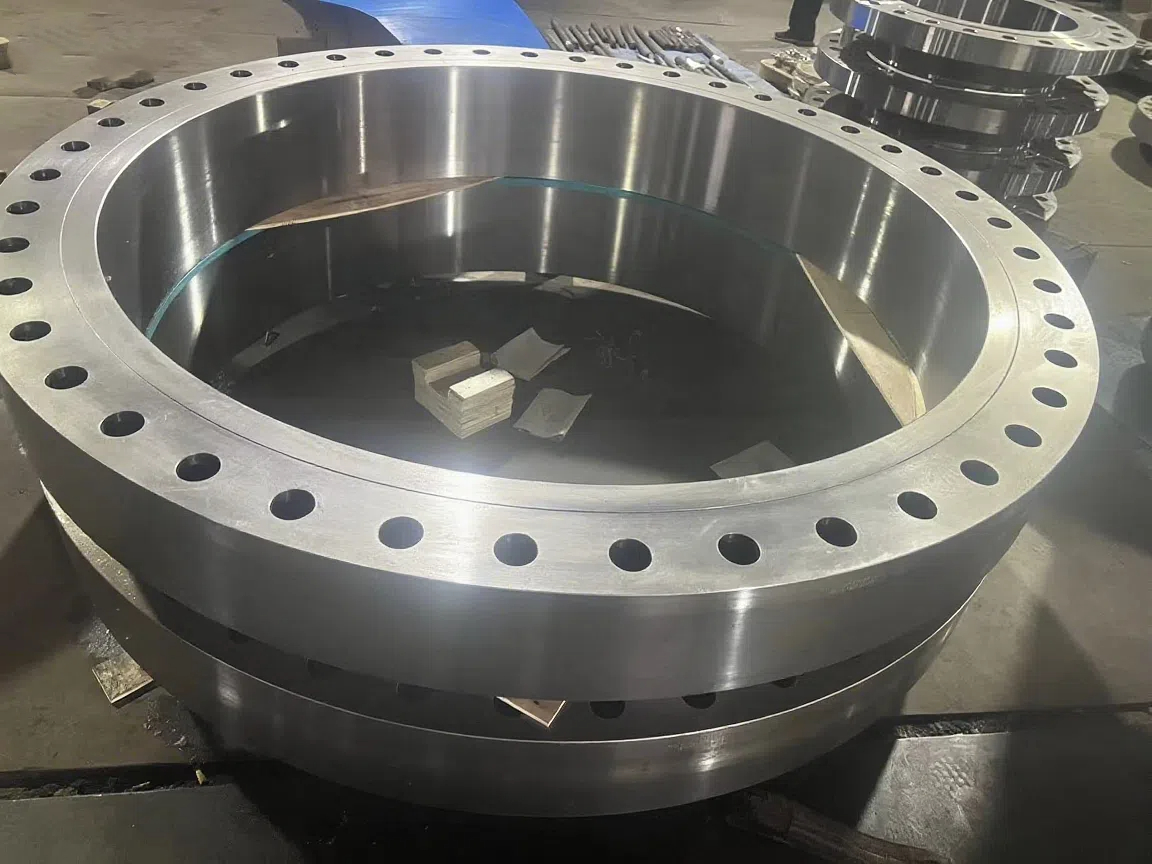
Heavy-Walled Flange Milling-Turning Machining and Flaw Detection
- Process : Machining - Turning Milling compound
- Material : Alloy steel
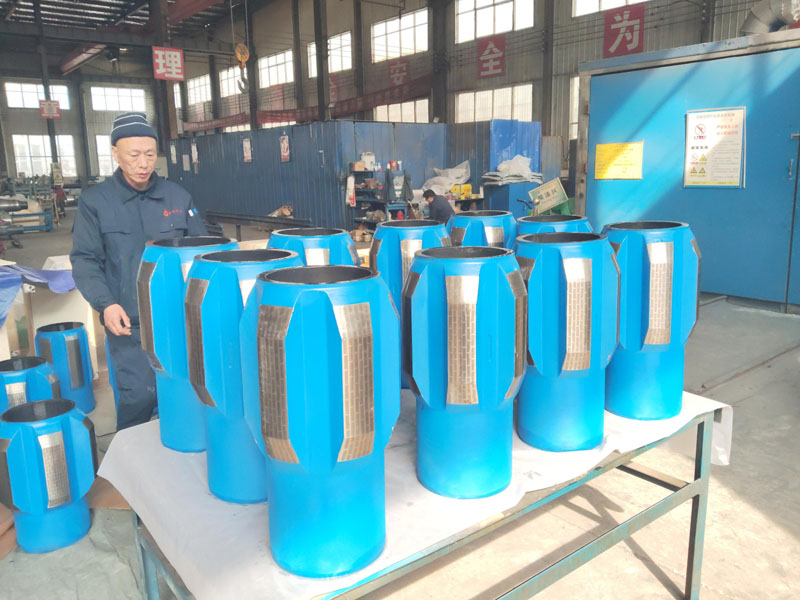
Drill Stabilizers Applied in Oil Drilling Platforms
- Process : Machining - Five-axis machining
- Material : Alloy steel
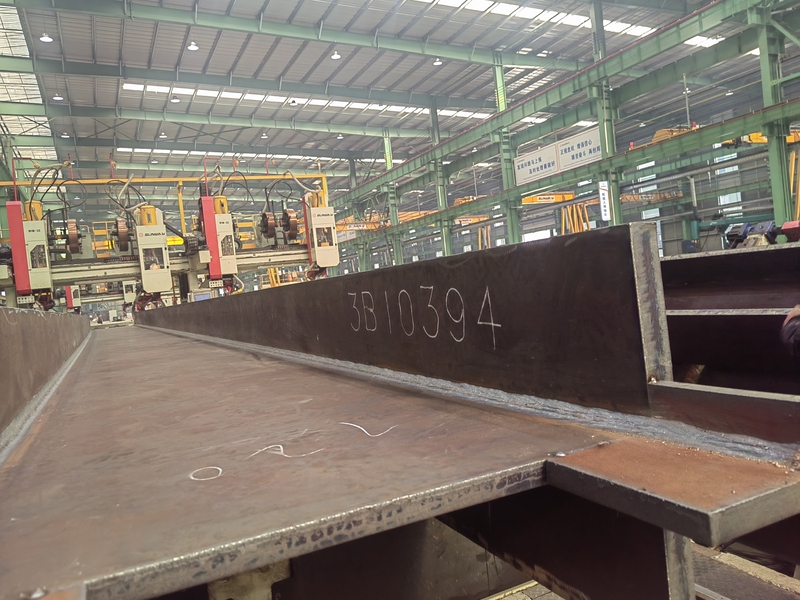
Custom Fabrication of S355JR Welded H-Beams for Construction Projects
- Process : Sheet metal - Welding
- Material : Carbon steel
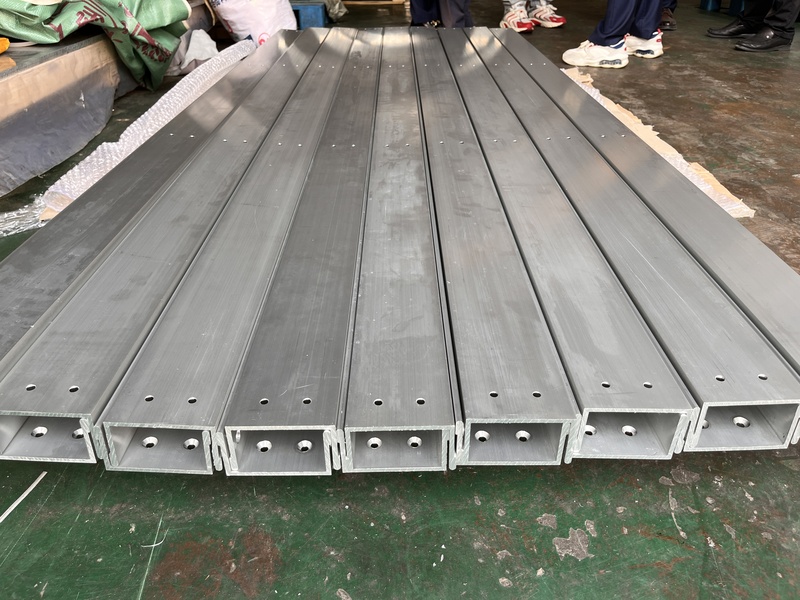
Precision Machining of U-Steel Profiles for Building Applications
- Process : Stamping - General stamping
- Material : Aluminum
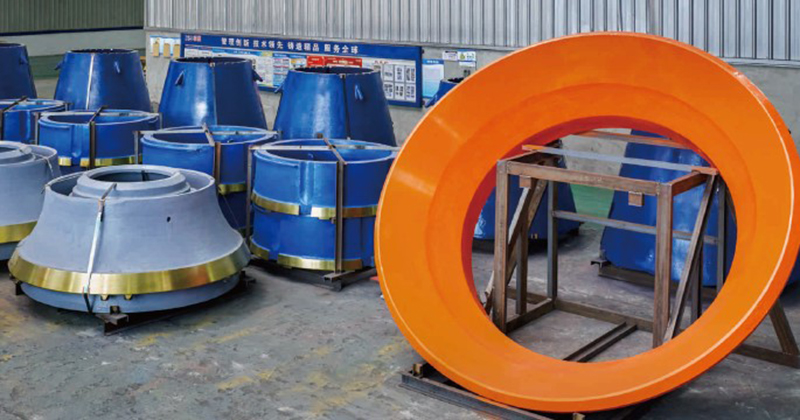
Cone Crusher Mantle
- Process : -
- Material :
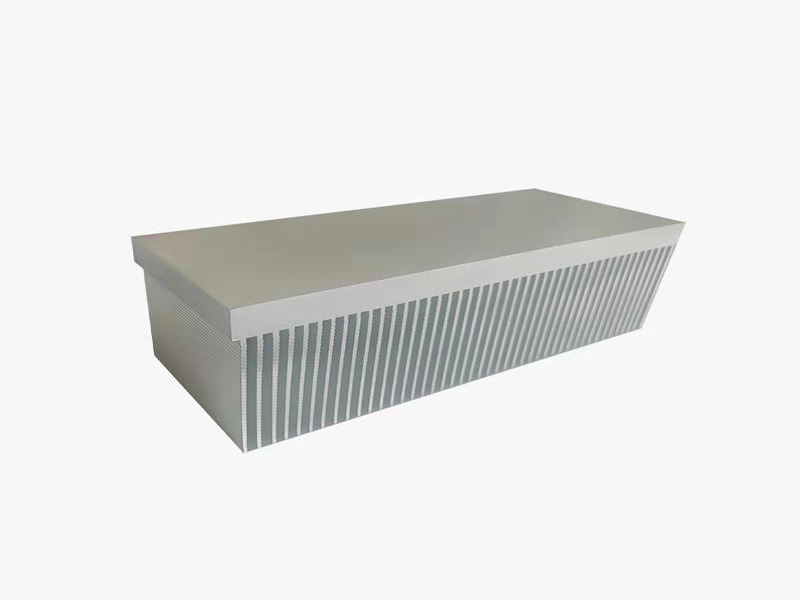
Innovative skiving technology: Breaking through the bottleneck of high-density heat dissipation technology
- Process : Surface treatment - Others
- Material : Alloy steel
More products
MoreWhat are the machining processes used for processing axial fan housings
- Process : Sheet metal - Welding
- Material : Carbon steel
Machining Process Analysis of Carbon Steel Fixed Anchor Plates
- Process : Machining - CNC milling or milling machining
- Material : Carbon steel
Heavy-Walled Flange Milling-Turning Machining and Flaw Detection
- Process : Machining - Turning Milling compound
- Material : Alloy steel
Drill Stabilizers Applied in Oil Drilling Platforms
- Process : Machining - Five-axis machining
- Material : Alloy steel
Custom Fabrication of S355JR Welded H-Beams for Construction Projects
- Process : Sheet metal - Welding
- Material : Carbon steel
Precision Machining of U-Steel Profiles for Building Applications
- Process : Stamping - General stamping
- Material : Aluminum
Cone Crusher Mantle
- Process : -
- Material :
Innovative skiving technology: Breaking through the bottleneck of high-density heat dissipation technology
- Process : Surface treatment - Others
- Material : Alloy steel